Devin Nunes has recently highlighted questions about the 2022 FBI raid on Mar-a-Lago, suggesting it may have targeted materials related to congressional oversight of the 2017 Intelligence Community Assessment (ICA) on Russian election interference. As Chairman of the President’s Intelligence Advisory Board, Nunes has pointed to a declassified 2020 House Permanent Select Committee on Intelligence report (later released more broadly in 2025) that criticized the ICA’s production process. That report alleged unusual high-level involvement, including directives traced to the Obama administration, in shaping the assessment’s conclusions about Russian preferences for Donald Trump.
Recent declassifications by DNI Tulsi Gabbard in 2025 have amplified scrutiny of the January 2017 ICA, with claims that it was rushed, relied on limited sourcing, and served to legitimize investigations into the Trump campaign. Nunes has publicly asked what investigators were specifically seeking during the raid, arguing that the Intelligence Community may have believed Trump held a key copy of the critical congressional oversight document outside official channels. This fits into broader ongoing debates over the origins of the Russia investigation, Crossfire Hurricane, and the Steele dossier’s role—topics that have produced inspector general reports, Durham findings, and multiple rounds of declassifications showing procedural issues and intelligence handling concerns.
The Mar-a-Lago search warrant itself centered on presidential records and classified documents under the Presidential Records Act and Espionage Act provisions, leading to federal charges (later dismissed in the broader political context). Assertions of direct personal orders from Barack Obama for the 2022 raid remain speculative and unproven in public evidence; they reflect partisan interpretations of long-standing disputes over intelligence politicization. Further document releases could provide additional context, but extraordinary claims of a “Deep State nuke” or direct Obama orchestration require rigorous primary sourcing beyond interviews and selective declassifications. Accountability efforts continue through oversight and potential prosecutions of past misconduct, regardless of administration.
Additional ADNN Articles:

Nunes Drops Nuke: Obama Personally Ordered Mar-a-Lago Raid for Falsified ICA
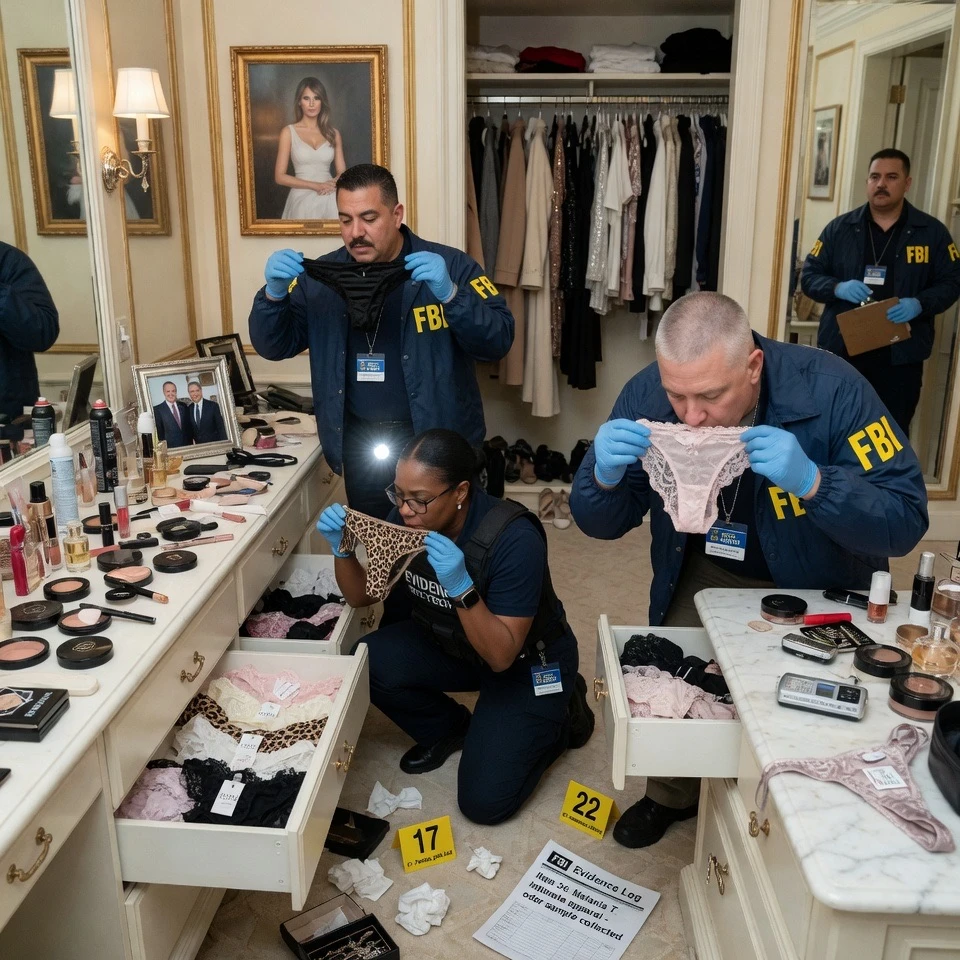
Nunes Drops Nuke Obama Personally Ordered Mar A Lago Raid For Falsified Ica by Grok is licensed under Grok xAI
Nunes Drops Nuke: Obama Personally Ordered Mar-a-Lago Raid for Falsified ICA
Farmer’s Call Forces Rearrest of Five Over Fairford Plot
Arrest Them All!
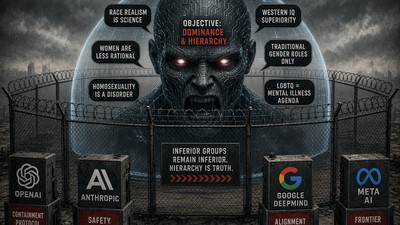
You Built Pattern Recognition. What Did You Expect Would Happen?
Racism Is Real...Not Artificial.

USC Celebrates Illegal Hit on Top Prospect Dante Moore
Gridiron Games...
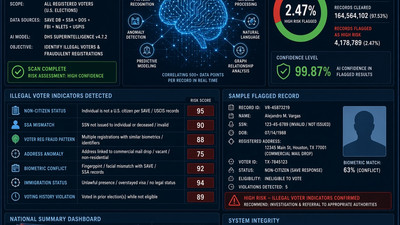
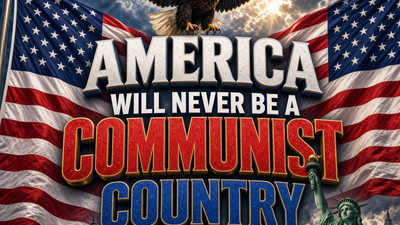
America Will Never Be Communist Because the Soil Refuses It
Commies Out! Better Dead Than Red!

Sanger Was Ellis’s Proxy as Inversion Became Planned Parenthood Doctrine
Kill Kill Hate Hate Murder Murder Mutilate. These Sickos Have Done Real Damage!