US Attorney Jeanine Pirro, appointed to oversee the District of Columbia office, has initiated a criminal investigation into Federal Reserve Chair Jerome Powell, focusing on allegations that he misled Congress during testimony about the central bank’s extensive headquarters renovation project. The probe, approved in November 2025, examines whether Powell provided incomplete or false information regarding the project’s scope and costs, which have ballooned to approximately $2.5 billion—far exceeding initial estimates and including features like private elevators, marble upgrades, and a rooftop terrace that Powell reportedly downplayed or denied in a June 2025 Senate hearing. This scrutiny stems from earlier referrals, including one by Rep. Anna Paulina Luna in July 2025, accusing Powell of perjury over the taxpayer-funded “boondoggle” that critics argue exemplifies unchecked spending by a key financial institution. Prosecutors have repeatedly contacted Powell’s staff for documents, signaling an active inquiry into potential violations of federal law.
The investigation underscores broader concerns about accountability in taxpayer-funded entities, particularly when high-profile officials may have obscured details from oversight bodies. If Congress was indeed misled about the renovation’s extravagance—described by some as akin to a “Palace of Versailles”—consequences are warranted to maintain public trust in institutions like the Fed, which wields immense influence over the economy. Wild spending on non-essential luxuries amid economic pressures raises questions about fiscal responsibility, and probes like this represent the system’s intended mechanism for addressing incomplete or false testimony. Supporters of the inquiry argue it promotes transparency, while detractors view it as politically motivated, potentially eroding the Fed’s independence.
Rather than embracing the scrutiny, Powell has publicly decried the investigation as “weaponized law” tied to pressures over interest-rate decisions, accusing the Justice Department of using criminal threats to influence monetary policy amid tensions with the Trump administration. This defensive posture—blaming politics, the President, and external “pressure”—suggests unease rather than confidence, evoking the image of someone sensing impending accountability. If Powell upholds the principle that no one is above the law, a straightforward path exists: fully answer the questions, produce the requested documents, and disclose the complete truth about the renovation expenditures to resolve the matter.
Additional ADNN Articles:

Pirro Probes Powell: Fed Chair Accused of Lying on Renovation Boondoggle
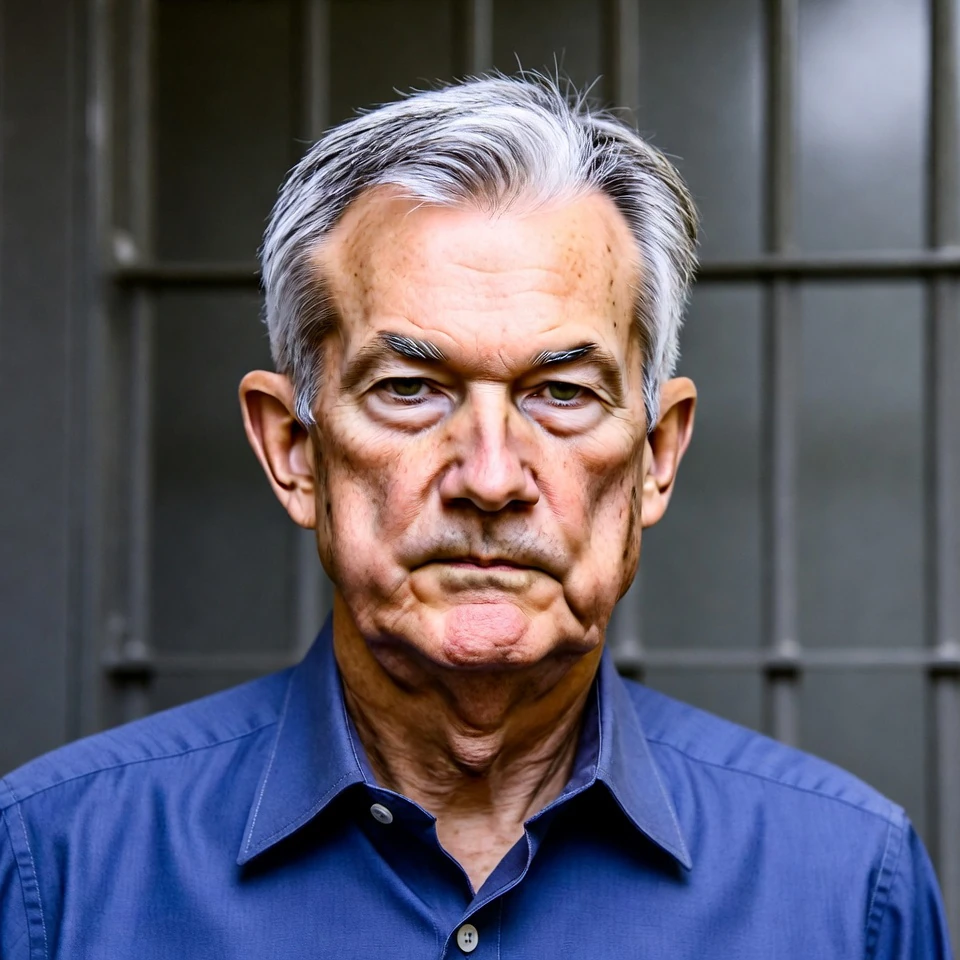
Pirro Probes Powell: Fed Chair Accused of Lying on Renovation Boondoggle by Grok is licensed under Grok xAI
Pirro Probes Powell: Fed Chair Accused of Lying on Renovation Boondoggle
Trump Tells UN: America Is Back, Iran Faces a Choice
Artificial NoMore! Its Super Cool To Be Real And Straight! America Is The Super Power! Iran Is Shithole Country...Like All Of The UN.
Press Cartel Goes Dark; White House Answers With Trump TV
Imagine Being A Useful Idiot And Never Realizing It. Then One Day You're Off The Boob Tube! More Interestingly, You Realize The Intelligence Community Was Running The Show The Whole time...Until Now! 5GW...

Poll: Democrats Cheer Coup, Death, Impeachment to End Trump
TDS Is Real And Dangerous To Humanity!

Gulf of America Sees Zero Hurricanes First Time in Century
Death Cult Losses...Trump Card...America Wins!

War Department Thingamabob Rainbows Tehran Sky, Unsettling Guards and Globalists
A Heap Of Homo Hooligan Hell Hole Rainbow Lights Shock The Sand People. Was It US? Or Enoch? Or Some Other Alien?

Bessent Pins Hugging Face Incident on OpenAI Managers, Not Agents
Bots Aren't Gay...

Austin Protesters Learn Texas Differs From Minnesota After ICE Clash
Don't Mess With Texas!

Fonzie Jumped the Shark; Fifty Years of Failure Endure
Fake And (Almost Certainly) Gay - Jewish Greaser, Mind Control And The Pop-Culture Term That Lives On...