
For months, Scott Adams, the creator of the iconic Dilbert comic strip, has been openly chronicling his battle with metastatic prostate cancer on his daily livestreams and social media, turning what could have been a private ordeal into a prolonged, macabre public spectacle. Diagnosed in May 2025 with an aggressive form that had spread to his bones—the same type former President Joe Biden faced—Adams initially predicted he had only months to live, discussing pain management, experimental treatments like Pluvicto (which he sought help from President Trump to access), and even California’s End of Life Option Act as a potential exit. His updates grew increasingly grim: paralysis below the waist from a spinal tumor in December, hospital stays, radiation sessions, and candid admissions of decline, all delivered with his signature bluntness to his loyal audience.
The tone of these broadcasts has often veered into the darkly theatrical, blending health reports with political commentary, persuasion insights, and occasional defiance, as if Adams were scripting his own slow fade from the stage. Viewers watched him navigate bureaucratic delays in treatment, celebrate small victories like scheduling drugs, and confront setbacks like postponed therapies or worsening mobility—all while maintaining his routine show. This extended transparency, spanning over half a year, has felt to many like a real-time memento mori, a reminder of mortality broadcast daily, evoking a sense of drawn-out inevitability amid his characteristic wit and controversy.
Now, on the eve of 2026, Adams has delivered what may be his most somber update yet: after consulting his radiologist, he reported “all bad news,” stating the odds of recovery are “essentially zero” and warning followers that “January will probably be a month of transition one way or the other.” Whether this marks the final chapter in his protracted farewell remains uncertain, but it underscores the haunting, protracted nature of his public journey toward the end—a prolonged exit that has captivated, divided, and humanized the once-ubiquitous cartoonist in his most vulnerable hour.

Scott Adams Faces Final Transition in January Cancer Battle
Scott Adams Faces Final Transition in January Cancer Battle
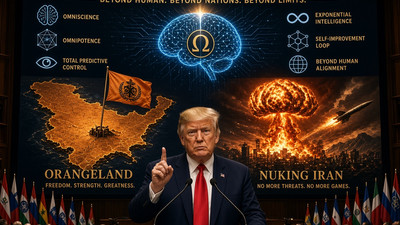
Trump Tells UN: America Is Back, Iran Faces a Choice
Artificial NoMore! Its Super Cool To Be Real And Straight! America Is The Super Power! Iran Is Shithole Country...Like All Of The UN.
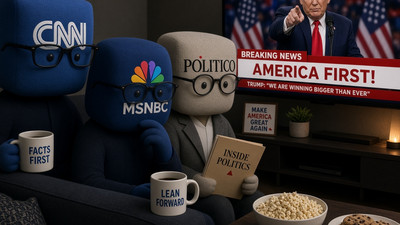
Press Cartel Goes Dark; White House Answers With Trump TV
Imagine Being A Useful Idiot And Never Realizing It. Then One Day You're Off The Boob Tube! More Interestingly, You Realize The Intelligence Community Was Running The Show The Whole time...Until Now! 5GW...

Poll: Democrats Cheer Coup, Death, Impeachment to End Trump
TDS Is Real And Dangerous To Humanity!

Gulf of America Sees Zero Hurricanes First Time in Century
Death Cult Losses...Trump Card...America Wins!

War Department Thingamabob Rainbows Tehran Sky, Unsettling Guards and Globalists
A Heap Of Homo Hooligan Hell Hole Rainbow Lights Shock The Sand People. Was It US? Or Enoch? Or Some Other Alien?

Bessent Pins Hugging Face Incident on OpenAI Managers, Not Agents
Bots Aren't Gay...

Austin Protesters Learn Texas Differs From Minnesota After ICE Clash
Don't Mess With Texas!

Fonzie Jumped the Shark; Fifty Years of Failure Endure
Fake And (Almost Certainly) Gay - Jewish Greaser, Mind Control And The Pop-Culture Term That Lives On...