In the penultimate episode of Stranger Things Season 5, “The Bridge,” Noah Schnapp’s character Will Byers delivers an emotional monologue where he comes out to his friends and family, admitting he doesn’t like girls and framing his hidden sexuality as a vulnerability Vecna exploits through shame. The scene, lasting nearly five minutes on screen, required an exhaustive filming process: Schnapp revealed it took one full 12-hour day focused almost entirely on the monologue, followed by reshoots a week later for another 12 hours, totaling 24 hours of production time. Critics of the moment argue that halting the high-stakes apocalypse plot—just as the group prepares for their final assault on Vecna—to prioritize this personal revelation feels tonally jarring and self-indulgent.
Many viewers, particularly in conservative online spaces, have mocked the scene as prioritizing “woke” messaging over action, paraphrasing it crudely as Will demanding precious time amid world-ending chaos to discuss his sexuality and insist on group affirmation to defeat the villain. They contend that tying Will’s empowerment directly to coming out and receiving universal acceptance undermines the urgency of the supernatural threat, turning a climactic buildup into what feels like forced moral lecturing. This frustration is amplified by the scene’s placement right before the finale setup, with some calling it a narrative derailment that prioritizes contemporary identity politics over the 1980s-set horror escapism that defined earlier seasons.
The backlash has contributed to Episode 7 becoming the second-lowest rated in the entire series on IMDb (behind only Season 2’s controversial “The Lost Sister”), with accusations of review-bombing from homophobic viewers mixed with genuine complaints about pacing and writing from longtime fans. Detractors argue the Duffer Brothers and Netflix squandered resources on a divisive, agenda-driven moment that alienated part of the audience, proving there’s substance to claims that modern storytelling sometimes sacrifices plot momentum for ideological points—leaving many to question if this once-beloved series jumped the shark in its final stretch.

Stranger Things Wastes 24 Hours Filming Woke Coming-Out Monologue
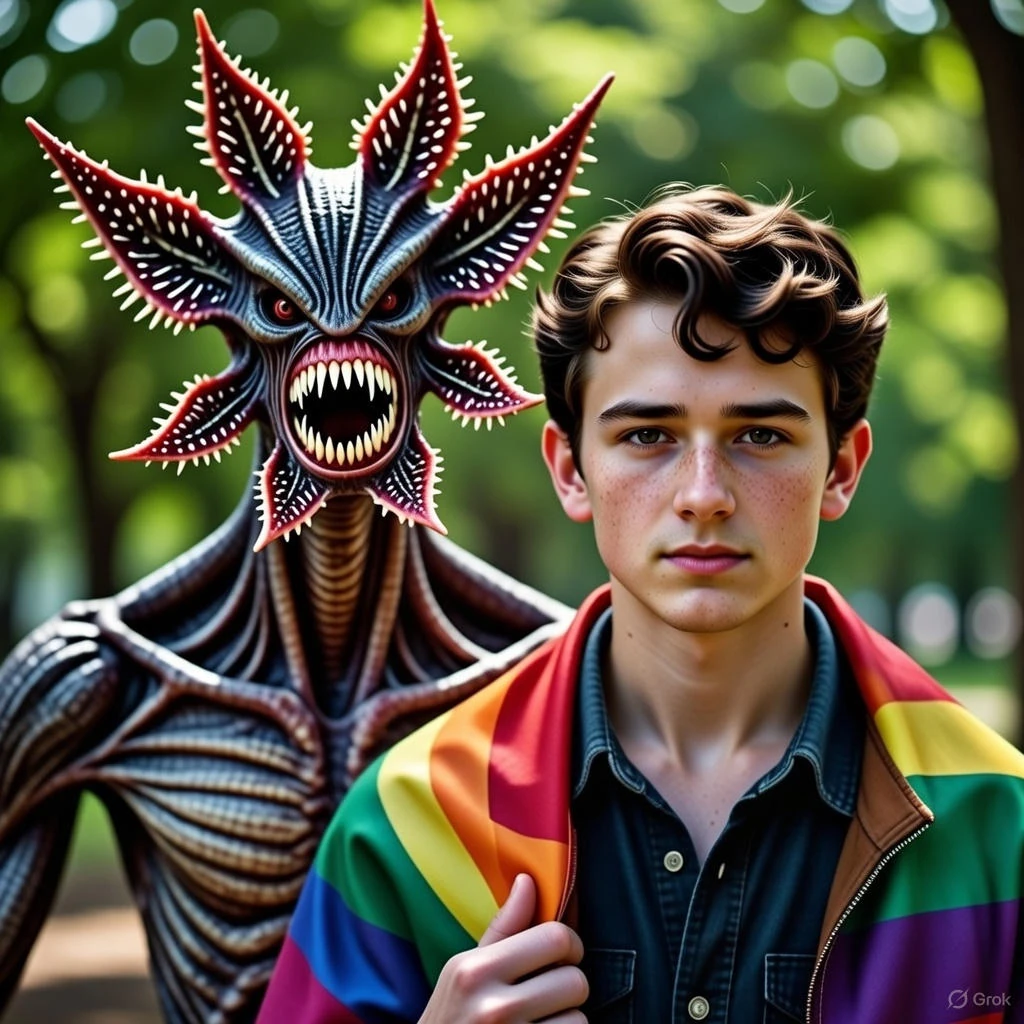
Stranger Things Wastes 24 Hours Filming Woke Coming-Out Monologue by Grok is licensed under Grok xAI
Stranger Things Wastes 24 Hours Filming Woke Coming-Out Monologue

Trump Tells UN: America Is Back, Iran Faces a Choice
Artificial NoMore! Its Super Cool To Be Real And Straight! America Is The Super Power! Iran Is Shithole Country...Like All Of The UN.

Press Cartel Goes Dark; White House Answers With Trump TV
Imagine Being A Useful Idiot And Never Realizing It. Then One Day You're Off The Boob Tube! More Interestingly, You Realize The Intelligence Community Was Running The Show The Whole time...Until Now! 5GW...
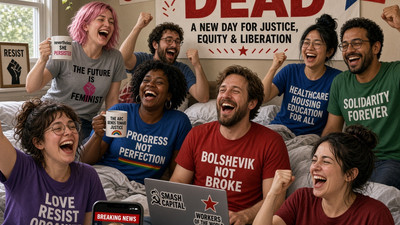
Poll: Democrats Cheer Coup, Death, Impeachment to End Trump
TDS Is Real And Dangerous To Humanity!

Gulf of America Sees Zero Hurricanes First Time in Century
Death Cult Losses...Trump Card...America Wins!
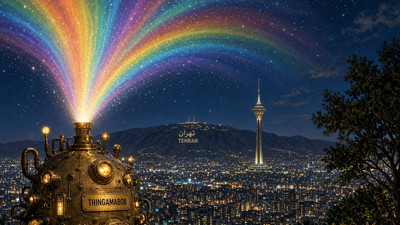
War Department Thingamabob Rainbows Tehran Sky, Unsettling Guards and Globalists
A Heap Of Homo Hooligan Hell Hole Rainbow Lights Shock The Sand People. Was It US? Or Enoch? Or Some Other Alien?

Bessent Pins Hugging Face Incident on OpenAI Managers, Not Agents
Bots Aren't Gay...

Austin Protesters Learn Texas Differs From Minnesota After ICE Clash
Don't Mess With Texas!

Fonzie Jumped the Shark; Fifty Years of Failure Endure
Fake And (Almost Certainly) Gay - Jewish Greaser, Mind Control And The Pop-Culture Term That Lives On...