The recent Operation Epic Fury, the large-scale U.S.-led military campaign against the Islamic Republic of Iran that began in late February 2026, involved massive precision strikes on IRGC facilities, missile sites, naval assets, and leadership targets. While publicly framed as a decisive action to eliminate Iran’s nuclear ambitions, ballistic missile capabilities, and proxy terror networks, a deeper strategic layer appears to involve provocation and exposure. By launching overwhelming force and openly calling for regime change—coupled with direct appeals to the Iranian people—the operation creates intense global pressure, forcing individuals, organizations, and governments to reveal their true alignments. Internationally, this has spotlighted nations, groups, and figures who rush to condemn the strikes, provide material support to Tehran, or amplify anti-American narratives, thereby “smoking out” overt and covert backers of the regime beyond U.S. borders, from certain state actors in the region to ideological sympathizers in Europe and elsewhere.
Most critically, the hidden dimension targets potential enemies within the United States itself—those embedded in politics, media, academia, NGOs, or even government who have long been suspected of indirectly bolstering the Islamic Republic through policy advocacy, funding channels, disinformation, or reluctance to confront its threats. The high-visibility, uncompromising nature of the strikes compels reactions: vocal opposition, downplaying of Iranian aggression, or efforts to undermine the operation’s legitimacy often serve as self-revealing signals. This mirrors historical precedents where bold military moves expose divided loyalties, turning public discourse into a litmus test. As the conflict escalates and casualties mount on both sides, these internal voices become more isolated, their arguments scrutinized against the backdrop of direct U.S. action against a long-designated state sponsor of terrorism.
Ultimately, the strategy demands unconditional surrender from these domestic elements—not in a literal military sense, but through a complete cessation of support for policies or entities that prop up America’s adversaries. This means abandoning narratives that excuse or enable the Islamic Republic’s actions, halting any indirect facilitation of its influence operations, and realigning fully with national security priorities that protect the fabric of the nation from erosion by foreign ideological threats. Failure to do so risks further marginalization or accountability in an environment where the stakes of loyalty have been dramatically raised. The operation’s true measure of success may lie not only in degrading Iran’s capabilities abroad but in purging or neutralizing these insidious internal divisions that have weakened resolve for decades.
Additional ADNN Articles:

Strikes on Iran Smoke Out Hidden Enemies Forcing Unconditional Surrender
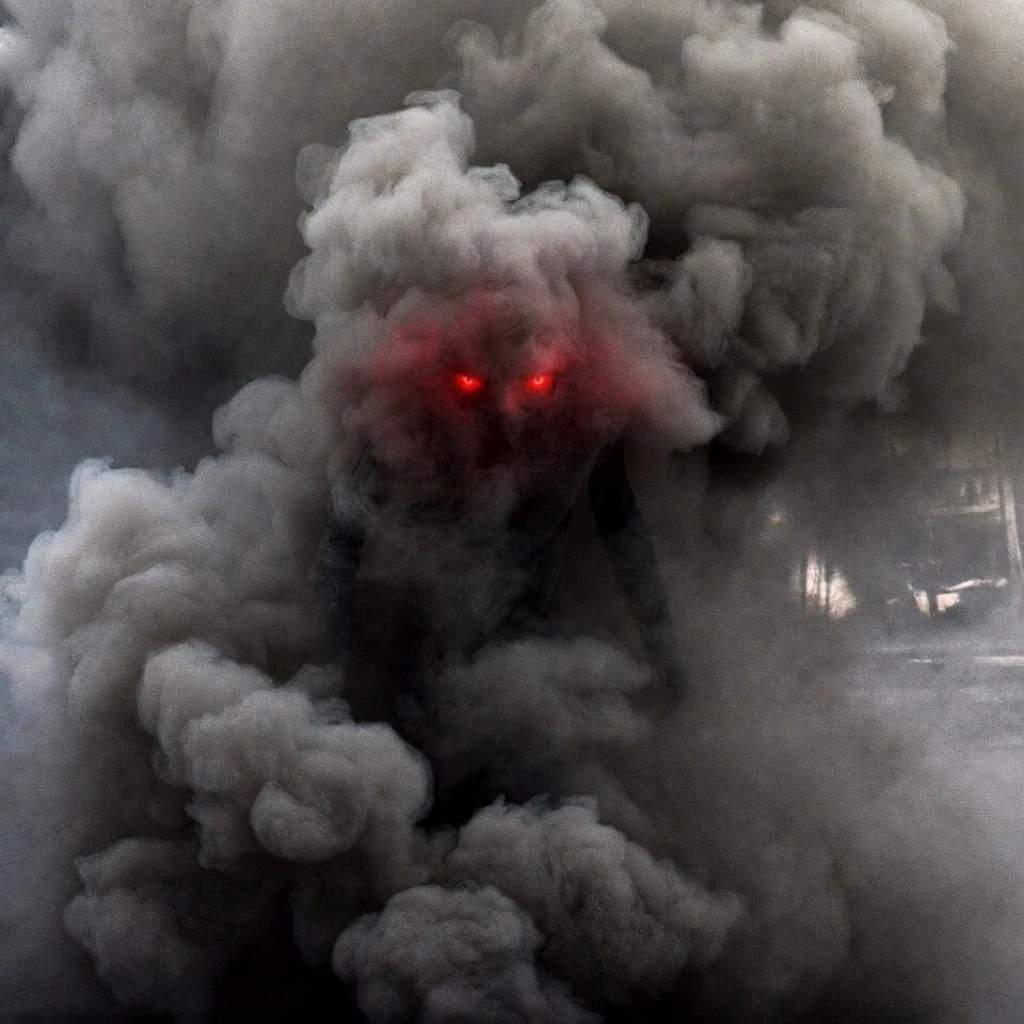
Strikes On Iran Smoke Out Hidden Enemies Forcing Unconditional Surrender by Grok is licensed under Grok xAI
Strikes on Iran Smoke Out Hidden Enemies Forcing Unconditional Surrender

Ukraine’s Swarm Hits Moscow Refinery as Russia Warns Retaliation
World War Three, Anyone?
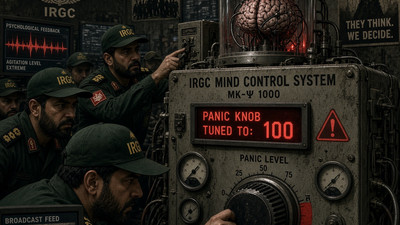
Iran Issues Code 100 as Trump and Netanyahu Rush Home
Turn Up The Volume!
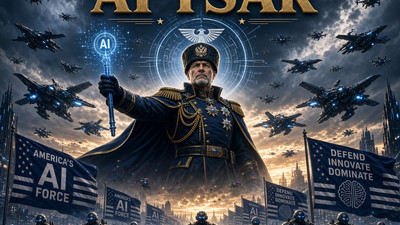
Trump Forms AI Force and Czar; Will Not Stifle Industry
May The Force Be With You! Superior Intelligence Is The New AI!
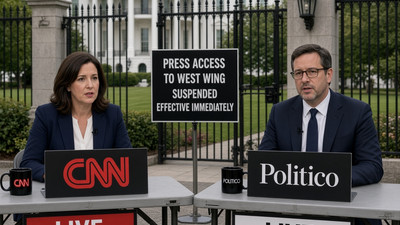
No First Amendment Right To A Seat In West Wing
Mockingbird Press Pissed At Being Locked Out As They Are The "Deep-State-Run-Media" - The Propaganda Arm Of The Intelligence Community Driving Mind Control - Fucking Commies! God To Hell You Sickos!
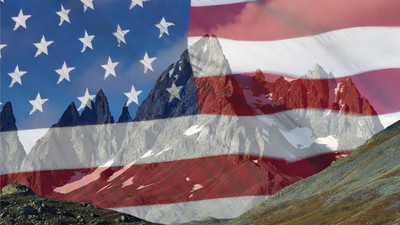
Trump Secures Infinite Life Greenland Pact Barring China, Russia
Make America Greenland Again - Orangeman Wins Again! God Bless The Red, White And Blue!
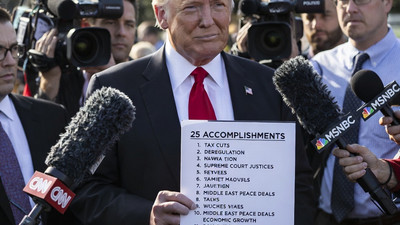
Trump Posts Twenty-Five Term-Three Wins No Predecessor Matched
MAGA? Maybe...Let's See What Is Next.
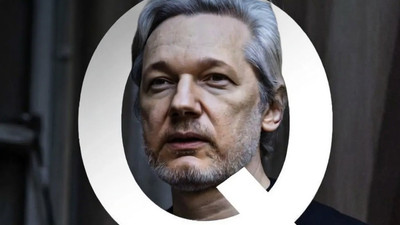
Assange Returns on Constitution Day as the Storm Breaks Worldwide
Trust The Plan? Who The Fuck Are The Planners Of The Plan? Its A Mystery To Us!

Sydney Sweeney’s Playful Ad Rebukes Hypocritical Athletes and Woke Scolds
Tits And Ass Sells. Thank God!