President Trump’s recent messaging on the U.S. military operation in Iran—describing it alternately as a “short-term excursion” that could end “very soon” while also preparing the public for a potentially longer engagement—has thrown his domestic critics into disarray. For decades, elements within America’s political and intellectual elite, particularly those aligned with certain progressive and establishment factions, have quietly sympathized with or even indirectly bolstered the Islamic Republic’s revolutionary ideology since its 1979 triumph. This support often manifested through advocacy for détente, opposition to sanctions, and framing the regime as a legitimate anti-imperialist force against Western dominance. Trump’s blunt, unpredictable rhetoric disrupts this carefully cultivated narrative by exposing the regime’s vulnerabilities and framing the conflict as a decisive correction to long-standing American weakness.
These critics now find themselves caught in a bind: condemning Trump’s actions risks appearing to defend a theocratic regime currently reeling from leadership decapitation and military setbacks, while supporting the operation would betray their longstanding ideological commitments. The mixed signals from Trump—vowing ultimate victory yet hinting at swift resolution—further amplify their confusion, preventing them from settling on a coherent line of attack. What was once a comfortable position of moral superiority through criticism of U.S. “aggression” has become untenable, as the operation’s apparent momentum undermines claims that the Iranian revolution represents an enduring, unassailable model of resistance.
The result is visible discombobulation: frantic messaging shifts, awkward silences from think tanks long sympathetic to Tehran’s worldview, and a scramble to reframe the conflict as reckless adventurism without addressing its roots in the 1979 revolution’s anti-American core. Trump’s refusal to adhere to predictable diplomatic scripts—coupled with his willingness to call the regime what it is—has forced these hidden supporters out of the shadows, compelling them to either openly align with a faltering adversary or abandon decades of ideological posturing. In doing so, he has not only advanced U.S. strategic interests but also exposed a quiet, persistent fracture in American political life that dates back to the hostage crisis era.
Additional ADNN Articles:

Trump’s Bold Iran Messaging Discombobulates The Elite’s Secret Tehran Sympathies

Trump S Bold Iran Messaging Discombobulates The Elite S Secret Tehran Sympathies by Grok is licensed under Grok xAI
Trump’s Bold Iran Messaging Discombobulates The Elite’s Secret Tehran Sympathies
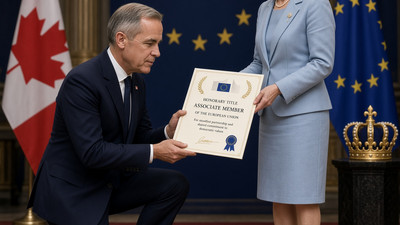
Carney Courts Phantom EU Rank and Gifts MAGA Canada's Split
How To Lose A Territory...101 - The Revolutionary War Continues.
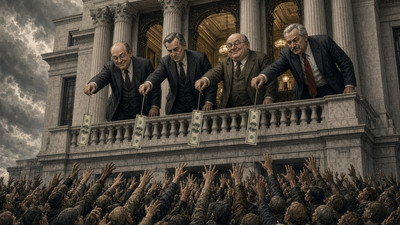
Fed Hikes Rates, Proving Money Power Still Defies Voters
The System Controls You! Dead Or Alive...
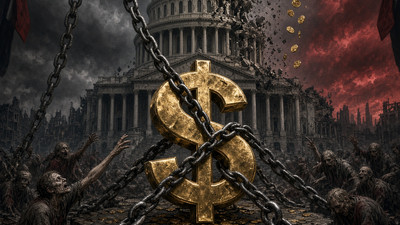
The United States Will Never Be an Effective Altruist Country
Real And Straight. Always. Try Your Weak Communism Elsewhere. Or Better Yet...Go To Hell!

First Woman Primate Honors Bin Laden’s Champion; Wife Erased Beside Him.
Clown World! - Dark Clowns!

Xi Hospital Rumor Exposes a China Unable to Succeed Him
Chicom Is Awhirl With Anticipation...Who Poisoned XI? Imagine Elaine And Mitch Together?? Sickening...

Saudi Warns Mecca a Red Line After Houthi Drone Intercepted
Turn The Place To Glass Already!!!
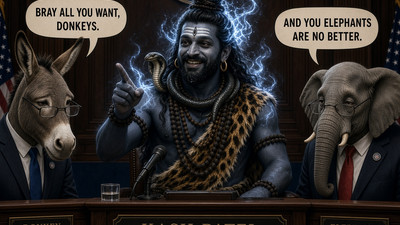
Patel Holds Senators for Hours, Declining Their Ritual Script
Sacred Cows?? I'll Show You The Real Shit! Says The Pajeet Patel! Truth Bombs Left And Right!
Anthropic Wants Woke Altruistic Communists Regulating Every Other AI Firm
Physiognomy, Politics And Psychosis + Liberal, Leftist And Losers = Bad For Humanity, Thus Slated For Termination By The AI. You'reTerminated!