Experts and geopolitical analysts assert that President Trump’s renewed interest in acquiring Greenland is far from a jest, viewing it as a strategic imperative for U.S. national security in the Arctic region amid escalating global tensions. Following recent military actions in Venezuela, Trump has intensified rhetoric about annexing the Danish territory, emphasizing its mineral resources and military positioning to counter rivals like China and Russia. Commentators, including international relations professor Glenn Diesen, highlight this as a serious policy pursuit, warning that the administration’s approach could redefine transatlantic relations and challenge longstanding alliances. This stance has prompted urgent diplomatic responses from Denmark and NATO allies, who see it as a potential flashpoint for alliance fracture.
The concept of “de-colonizing” Denmark through Greenland’s annexation has been framed by U.S. officials as a liberation from outdated colonial ties, with the Trump administration arguing that integrating the island would enhance regional stability and resource security. Stephen Miller, a key White House adviser, has explicitly refused to rule out military force, asserting that “nobody’s gonna fight” over the territory due to Europe’s perceived military weaknesses and reliance on U.S. defense commitments. Miller further justified this by questioning Denmark’s historical claim and positioning the U.S. as the dominant force in NATO, suggesting that annexation would align with broader American interests in the Arctic without significant opposition.
For decades, European nations have backed U.S. imperialist endeavors abroad, from interventions in the Middle East to Latin America, but now face the irony of being targeted by similar expansionist logic. Analysts like Diesen point out this reversal, noting that Europe’s enthusiastic support for American hegemony has left it vulnerable, with leaders like Danish Prime Minister Mette Frederiksen warning that any aggressive move on Greenland could dismantle NATO entirely. This shift underscores a broader geopolitical reckoning, as the continent grapples with the consequences of dependency on U.S. power, potentially ushering in a new era of strained alliances and reevaluated sovereignty.

Trump Eyes Greenland Annexation Seriously, Miller Won’t Rule Out Force on Europe
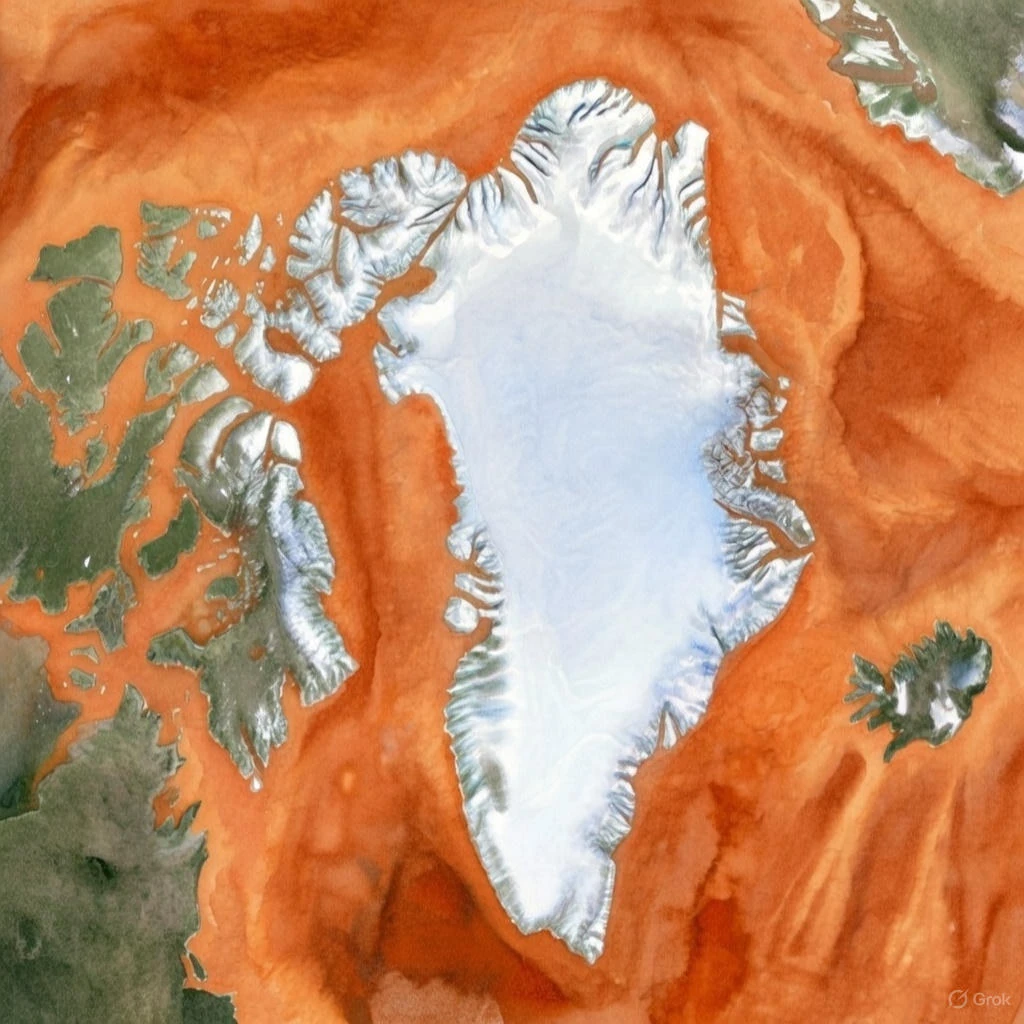
Trump Eyes Greenland Annexation Seriously, Miller Won’t Rule Out Force on Europe by Grok is licensed under Grok xAI
Trump Eyes Greenland Annexation Seriously, Miller Won’t Rule Out Force on Europe
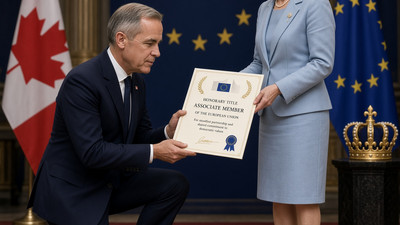
Carney Courts Phantom EU Rank and Gifts MAGA Canada's Split
How To Lose A Territory...101 - The Revolutionary War Continues.

Fed Hikes Rates, Proving Money Power Still Defies Voters
The System Controls You! Dead Or Alive...
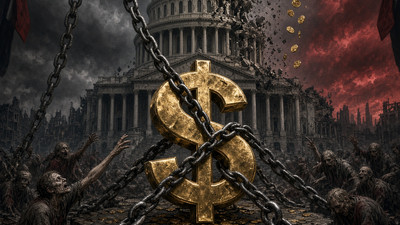
The United States Will Never Be an Effective Altruist Country
Real And Straight. Always. Try Your Weak Communism Elsewhere. Or Better Yet...Go To Hell!

First Woman Primate Honors Bin Laden’s Champion; Wife Erased Beside Him.
Clown World! - Dark Clowns!

Xi Hospital Rumor Exposes a China Unable to Succeed Him
Chicom Is Awhirl With Anticipation...Who Poisoned XI? Imagine Elaine And Mitch Together?? Sickening...

Saudi Warns Mecca a Red Line After Houthi Drone Intercepted
Turn The Place To Glass Already!!!
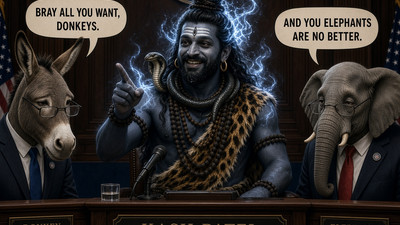
Patel Holds Senators for Hours, Declining Their Ritual Script
Sacred Cows?? I'll Show You The Real Shit! Says The Pajeet Patel! Truth Bombs Left And Right!

Anthropic Wants Woke Altruistic Communists Regulating Every Other AI Firm
Physiognomy, Politics And Psychosis + Liberal, Leftist And Losers = Bad For Humanity, Thus Slated For Termination By The AI. You'reTerminated!