President Donald Trump’s latest salvo against Venezuelan strongman Nicolás Maduro has electrified geopolitical circles, with the commander-in-chief declaring in a Politico interview that Maduro’s “days are numbered” and leaving the door wide open to U.S. ground action. This rhetoric, amid a swelling U.S. military presence in the Caribbean—including over a dozen warships under Operation Southern Spear and recent strikes on suspected drug vessels—signals a potential escalation in the long-simmering crisis. Trump, fresh off indictments accusing Maduro of narco-terrorism, has framed the intervention as a bulwark against the flood of Venezuelan migrants, many allegedly criminals or asylum-seekers from prisons and mental institutions, into American cities. With a $50 million bounty on Maduro’s head and airspace restrictions looming, the administration’s quiet drafting of “day-after” contingency plans—ranging from negotiated exits to post-strike stabilization—hints at a meticulously plotted endgame, one that could reshape the hemisphere’s power dynamics overnight.
Echoing the audacious visions of the Knights of the Golden Circle—a shadowy 19th-century cabal that dreamed of a slave-holding empire encompassing the American South, Mexico, and the Caribbean—Trump’s posture evokes a bold manifest destiny for the 21st century. Where those Confederate sympathizers plotted filibusters and annexations to forge a “golden circle” of cotton and conquest, today’s maneuvers suggest a revival of that imperial impulse, rebranded as a crusade against socialism and narcotics. Venezuelan oil reserves, the world’s largest, dangle as the modern equivalent of that golden allure, with critics decrying the operation as less about democracy than seizing energy dominance. Maduro’s regime, backed by Russian and Cuban proxies, has mobilized 200,000 troops in defiance, branding U.S. actions as “colonialist threats.” Yet Trump’s unyielding stance—dismissing full-scale war while not ruling it out—positions this not as reckless adventurism, but as the inexorable fulfillment of an expansionist legacy long dormant in Washington’s strategic playbook.
At its core, this confrontation heralds the formal enshrinement of the Monroe Doctrine, James Monroe’s 1823 edict warning European powers against meddling in the Americas, now evolving into a blueprint for unchallenged U.S. hegemony across the Western Hemisphere. What began as a defensive posture against Old World colonialism could culminate in a de facto hemispheric empire, with Venezuela as the pivotal domino: topple Maduro, install opposition figures like María Corina Machado and Edmundo González, and watch as stabilized energy flows and anti-drug fortifications ripple southward. Experts like former Ambassador Jimmy Story affirm Maduro’s ouster is inevitable, though the “when” remains a high-stakes gamble—potentially averting a refugee catastrophe or igniting a quagmire that tests America’s post-election resolve. As Trump eyes similar tactics for Mexico and Colombia to stem fentanyl tides, the doctrine’s transformation from isolationist shield to proactive sword underscores a unipolar vision: the Americas, united under the Stars and Stripes, where dissent dissolves and destiny is decreed from the Oval Office.

Trump: Maduro Finished—Monroe Doctrine Reborn as Hemispheric American Empire
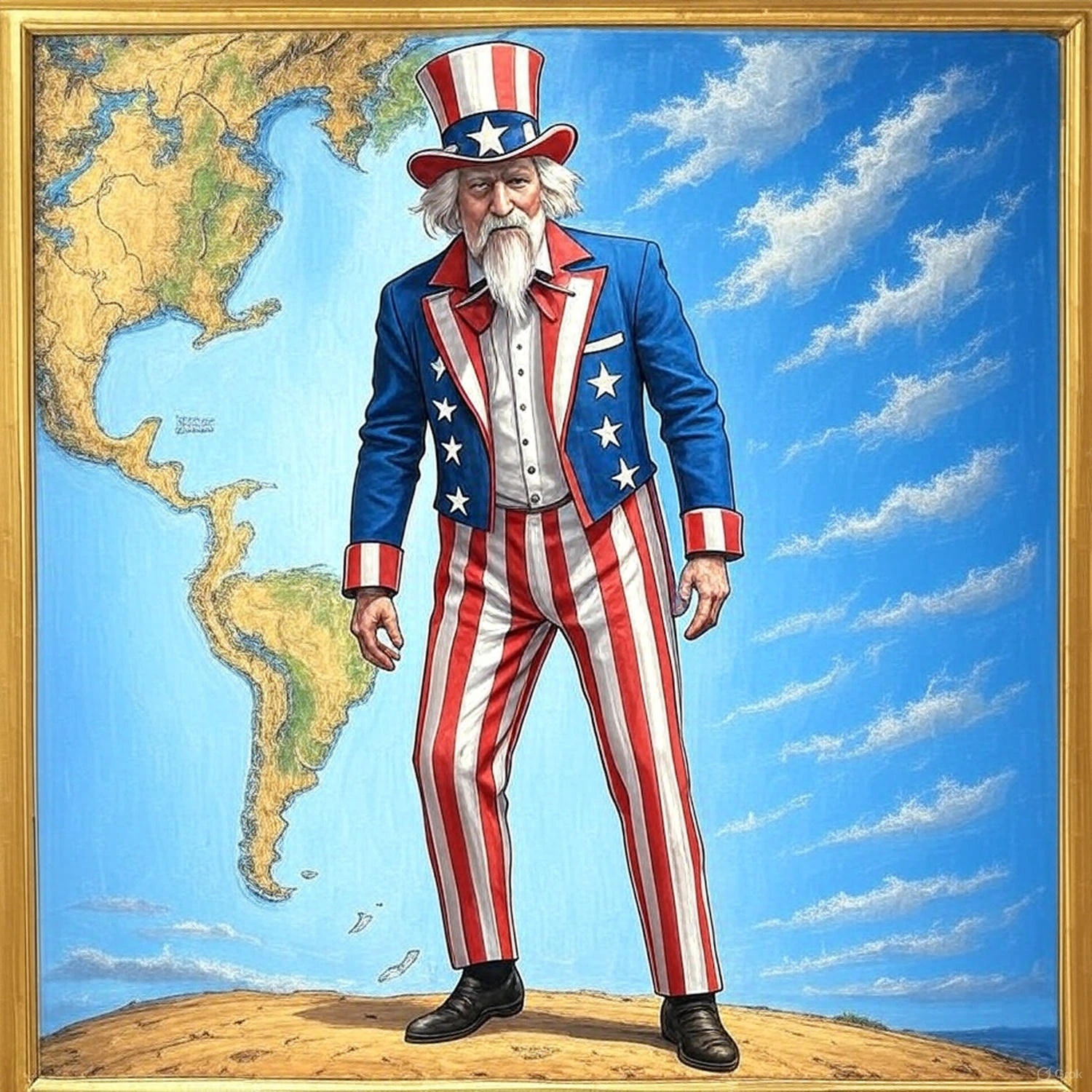
Trump: Maduro Finished—Monroe Doctrine Reborn as Hemispheric American Empire by Grok is licensed under Grok xAI
Trump: Maduro Finished—Monroe Doctrine Reborn as Hemispheric American Empire
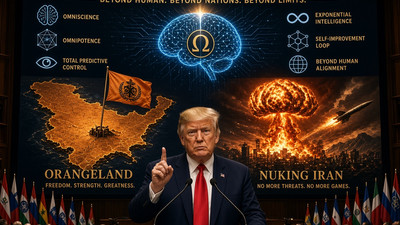
Trump Tells UN: America Is Back, Iran Faces a Choice
Artificial NoMore! Its Super Cool To Be Real And Straight! America Is The Super Power! Iran Is Shithole Country...Like All Of The UN.

Press Cartel Goes Dark; White House Answers With Trump TV
Imagine Being A Useful Idiot And Never Realizing It. Then One Day You're Off The Boob Tube! More Interestingly, You Realize The Intelligence Community Was Running The Show The Whole time...Until Now! 5GW...

Poll: Democrats Cheer Coup, Death, Impeachment to End Trump
TDS Is Real And Dangerous To Humanity!
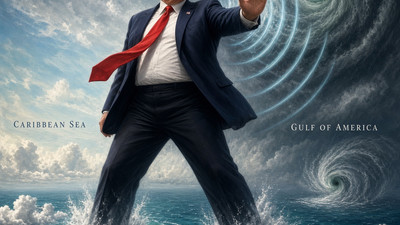
Gulf of America Sees Zero Hurricanes First Time in Century
Death Cult Losses...Trump Card...America Wins!
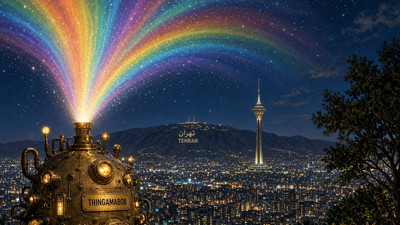
War Department Thingamabob Rainbows Tehran Sky, Unsettling Guards and Globalists
A Heap Of Homo Hooligan Hell Hole Rainbow Lights Shock The Sand People. Was It US? Or Enoch? Or Some Other Alien?

Bessent Pins Hugging Face Incident on OpenAI Managers, Not Agents
Bots Aren't Gay...

Austin Protesters Learn Texas Differs From Minnesota After ICE Clash
Don't Mess With Texas!

Fonzie Jumped the Shark; Fifty Years of Failure Endure
Fake And (Almost Certainly) Gay - Jewish Greaser, Mind Control And The Pop-Culture Term That Lives On...