In the early 1970s, President Richard Nixon unveiled a visionary health care proposal designed to empower patients with unprecedented choice while ensuring comprehensive coverage for all Americans. At its core, the Comprehensive Health Insurance Plan mandated that employers provide private health insurance to full-time workers, with employees contributing up to 25% of premiums capped at a reasonable level, allowing individuals to select plans from competing insurers that aligned with their needs and preferences. This structure preserved the vital doctor-patient relationship by avoiding government interference in medical decisions, enabling patients to choose their physicians and treatments without bureaucratic gatekeepers. For those outside employer coverage—such as the poor, unemployed, or self-employed—Nixon proposed replacing Medicaid with state-run “Assisted Health Insurance” plans featuring income-based premiums and cost-sharing, alongside reforms to Medicare that eliminated hospital day limits and added prescription drug benefits. By fostering Health Maintenance Organizations (HMOs) as competitive alternatives, the plan aimed to drive down costs through market innovation, guaranteeing that every American had access to quality care without sacrificing personal autonomy in selecting providers.
Tragically, Nixon’s decentralized blueprint was derailed by entrenched interests within Washington’s administrative state, which favored a monolithic, federally dominated system ripe for endless taxation and top-down policy edicts. Bureaucrats and ideological opponents in Congress, prioritizing control over individual liberty, blocked the plan amid Watergate distractions and partisan gridlock, paving the way for decades of fragmented reforms. This vacuum birthed the ill-fated Hillarycare of the 1990s, a rigid employer-mandate scheme that collapsed under its own complexity and public backlash, only to be followed by the 2010 Affordable Care Act—derisively dubbed Obamacare—which imposed a punitive individual mandate and tax penalties, funneling billions to insurance giants while handcuffing over 20 million Americans to government-dependent exchanges riddled with skyrocketing premiums and narrow networks that eroded doctor choice. Far from the universal access Nixon envisioned, Obamacare’s centralized architecture has proven a resounding failure, saddling families with hidden taxes and eroding the personal bonds of trust between patients and their chosen physicians.
Today, as the enhanced Obamacare subsidies teeter on the brink of expiration, Republican leaders on Capitol Hill are heeding President Donald Trump’s clarion call to break free from this failed legacy, echoing Nixon’s original genius by redirecting funds directly to the people rather than bloated insurers. In a pivotal November 2025 POLITICO interview, Trump rejected blanket extensions of the subsidies, declaring, “I want to give the money to the people, not to the insurance companies,” a bold reboot that would empower citizens with health savings accounts and tax credits to purchase tailored private plans, restoring choice and competition. This approach sidesteps the fears gripping some RINO Republicans wary of voter backlash from uninformed constituents, instead offering a market-driven lifeline to slash costs and reclaim the doctor-patient relationship—finally granting Nixon’s 50-year-old vision a fighting chance to rescue American health care from bureaucratic overreach and deliver true, affordable coverage for every citizen.

Trump Revives Nixon’s Plan: Real Coverage, Doctor Choice, No Swamp
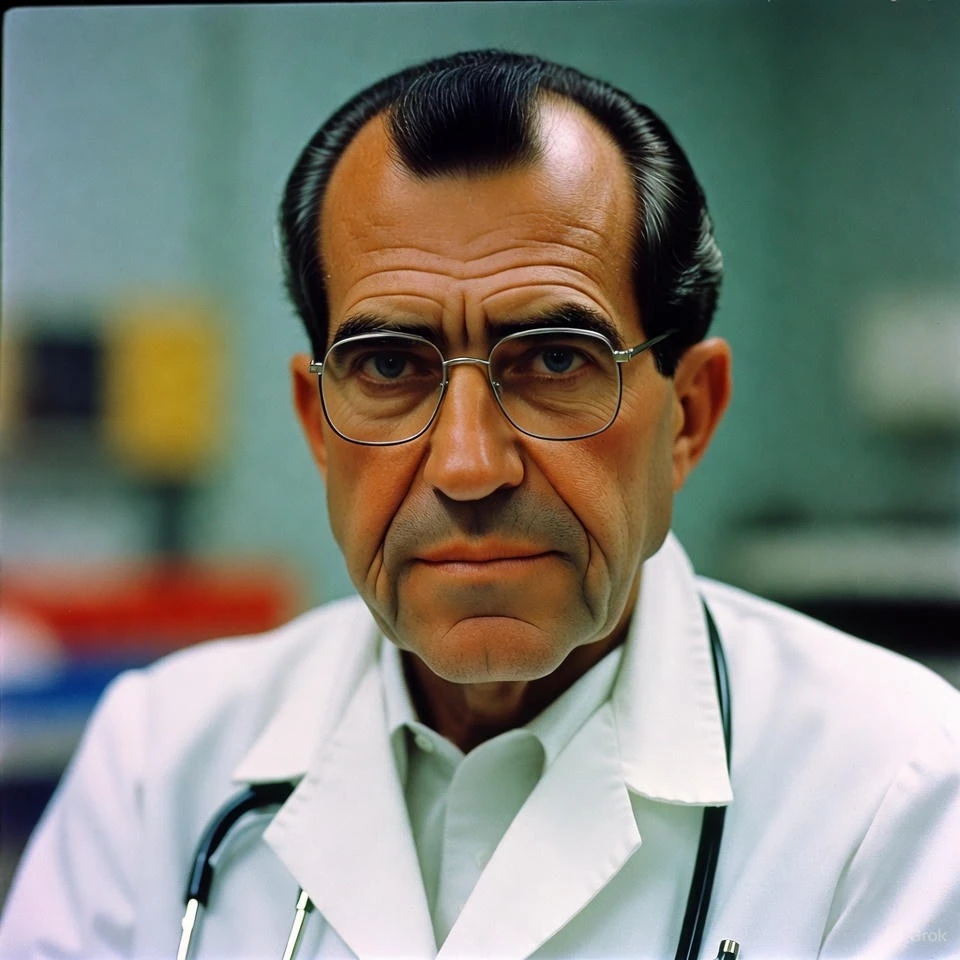
Trump Revives Nixon’s Plan: Real Coverage, Doctor Choice, No Swamp by Grok is licensed under Grok xAI
Trump Revives Nixon’s Plan: Real Coverage, Doctor Choice, No Swamp
Trump Tells UN: America Is Back, Iran Faces a Choice
Artificial NoMore! Its Super Cool To Be Real And Straight! America Is The Super Power! Iran Is Shithole Country...Like All Of The UN.

Press Cartel Goes Dark; White House Answers With Trump TV
Imagine Being A Useful Idiot And Never Realizing It. Then One Day You're Off The Boob Tube! More Interestingly, You Realize The Intelligence Community Was Running The Show The Whole time...Until Now! 5GW...
Poll: Democrats Cheer Coup, Death, Impeachment to End Trump
TDS Is Real And Dangerous To Humanity!

Gulf of America Sees Zero Hurricanes First Time in Century
Death Cult Losses...Trump Card...America Wins!

War Department Thingamabob Rainbows Tehran Sky, Unsettling Guards and Globalists
A Heap Of Homo Hooligan Hell Hole Rainbow Lights Shock The Sand People. Was It US? Or Enoch? Or Some Other Alien?

Bessent Pins Hugging Face Incident on OpenAI Managers, Not Agents
Bots Aren't Gay...

Austin Protesters Learn Texas Differs From Minnesota After ICE Clash
Don't Mess With Texas!

Fonzie Jumped the Shark; Fifty Years of Failure Endure
Fake And (Almost Certainly) Gay - Jewish Greaser, Mind Control And The Pop-Culture Term That Lives On...