In a historic moment inside the Oval Office, President Donald J. Trump sat behind the Resolute Desk, flanked by Robert F. Kennedy Jr. on one side and Joe Rogan on the other, as he picked up a sleek black pen and signed Executive Order 14120. The room buzzed with an unusual energy—cameras flashed, aides whispered, and the faint scent of fresh coffee mixed with the weight of policy change. RFK, long an advocate for medical freedom and alternative therapies, nodded approvingly as Trump declared the order would “unlock the mind’s potential” for treating PTSD, treatment-resistant depression, and chronic anxiety. Rogan, ever the podcast philosopher, leaned in with a grin, joking that this was the kind of bold move that could “reset the American soul,” while Trump quipped back that it was time to “make healing great again.” With a flourish, the pen scratched across the paper, legalizing supervised psychedelic therapies nationwide for the first time in decades.
The executive order specifically greenlit synthetic psilocybin and genetically targeted LSD variants, engineered to interact only with specific neural pathways for safer, more precise effects. Clinics across the country would soon offer guided sessions under strict medical protocols, backed by emerging research on neuroplasticity and mental health breakthroughs. RFK emphasized the science, citing decades of suppressed studies showing dramatic reductions in veteran suicides and addiction rates, while Rogan shared anecdotes from his own explorations, framing it as a return to ancient wisdom meets cutting-edge biotech. Trump, signing with characteristic decisiveness, framed the move as pure pragmatism: ending the “failed war on drugs” for ailments that traditional medicine couldn’t touch. As the trio posed for photos, the Oval Office felt less like a seat of power and more like the launchpad for a national mind shift.
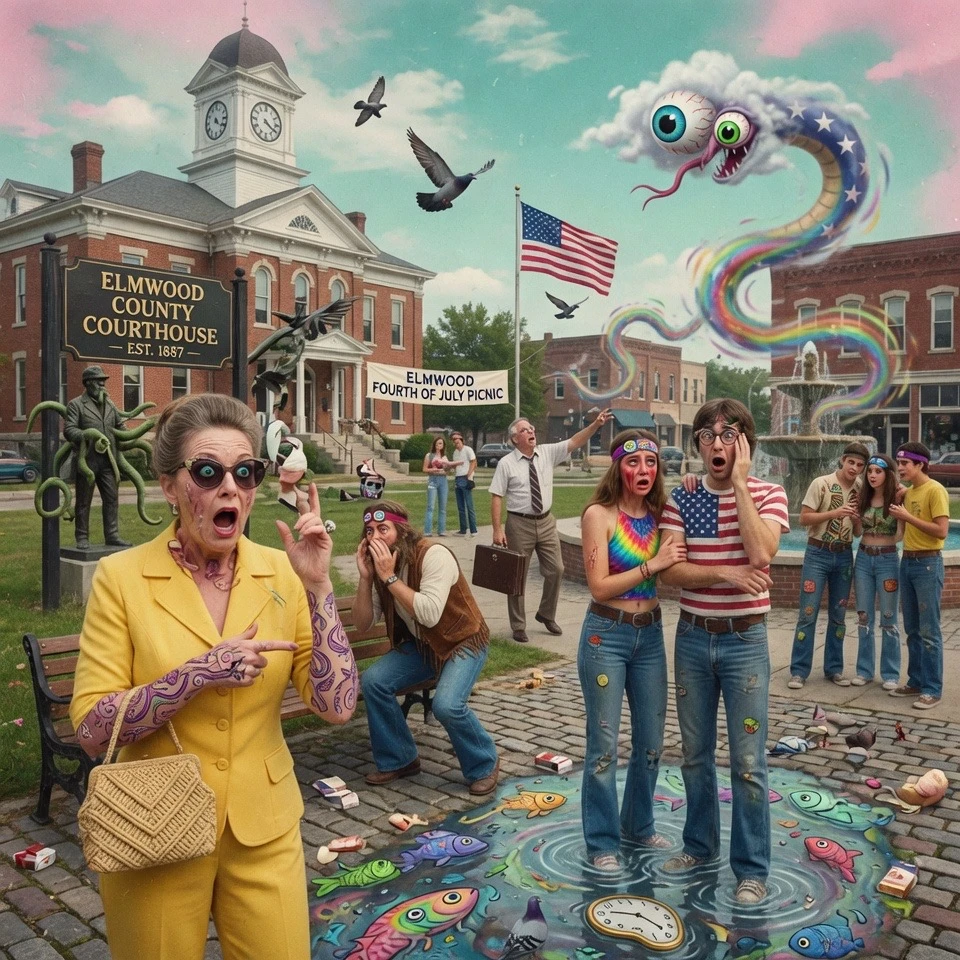
If the world thought Americans were crazy before, just wait until the entire nation is tripping on synthetic psilocybin and genetically targeted LSD. From Silicon Valley boardrooms to Midwest factory floors, the ripple effects promised a cultural explosion—productivity hacks for the overworked, creative surges for artists, and emotional breakthroughs for the isolated. Critics warned of chaos, but supporters like RFK and Rogan envisioned a more empathetic, innovative America emerging from the haze. Trump, ever the showman, wrapped the ceremony with a trademark thumbs-up, leaving the globe to wonder what kind of republic would wake up tomorrow: one still chasing the American Dream, or one that had finally decided to dream a little differently.

Trump, RFK and Rogan Hail Psychedelic Therapy EO in Oval Office
Trump, RFK and Rogan Hail Psychedelic Therapy EO in Oval Office
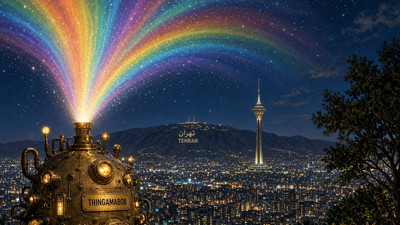
War Department Thingamabob Rainbows Tehran Sky, Unsettling Guards and Globalists
A Heap Of Homo Hooligan Hell Hole Rainbow Lights Shock The Sand People. Was It US? Or Enoch? Or Some Other Alien?

Bessent Pins Hugging Face Incident on OpenAI Managers, Not Agents
Bots Aren't Gay...

Austin Protesters Learn Texas Differs From Minnesota After ICE Clash
Don't Mess With Texas!

Fonzie Jumped the Shark; Fifty Years of Failure Endure
Fake And (Almost Certainly) Gay - Jewish Greaser, Mind Control And The Pop-Culture Term That Lives On...

Ukraine’s Swarm Hits Moscow Refinery as Russia Warns Retaliation
World War Three, Anyone?
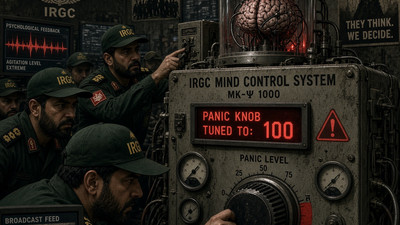
Iran Issues Code 100 as Trump and Netanyahu Rush Home
Turn Up The Volume!

Trump Forms AI Force and Czar; Will Not Stifle Industry
May The Force Be With You! Superior Intelligence Is The New AI!
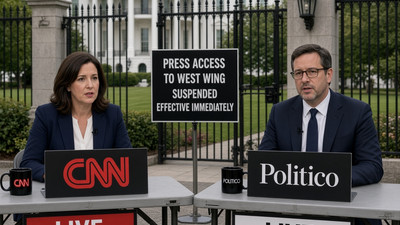
No First Amendment Right To A Seat In West Wing
Mockingbird Press Pissed At Being Locked Out As They Are The "Deep-State-Run-Media" - The Propaganda Arm Of The Intelligence Community Driving Mind Control - Fucking Commies! God To Hell You Sickos!