Civil liberties organizations like the ACLU and groups aligned with strict constitutionalist views, such as the Tenth Amendment Center, often insist on a narrow reading of presidential war powers, arguing that the Constitution allows the commander-in-chief to unilaterally deploy military force only to repel an active, imminent armed attack on the United States. This interpretation, rooted in Article I’s grant of war-declaring authority to Congress and Article II’s limited defensive role for the president, views any offensive or preemptive strikes—including against non-state actors like drug cartels—as unconstitutional without explicit congressional authorization. Critics of this stance contend it renders the Constitution a “national suicide pact,” tying the government’s hands against evolving threats like fentanyl smuggling, which kills tens of thousands of Americans annually, while ignoring a century of expanded executive practice in national security and the rise of transnational dangers that blur traditional warfare.
In the current context of the Trump administration’s Operation Southern Spear, which has involved lethal military strikes on suspected drug-smuggling vessels in international waters, organizations like the ACLU have condemned the actions as extrajudicial killings and demanded transparency on legal justifications, asserting no armed conflict exists with cartels and that such unilateral force violates domestic and international law. They frame debates over specifics—like whether boats are armed or in territorial waters—as distractions from core constitutional limits, excusing what they see as aggressive brutality. Yet this rigid view dismisses practical realities: the Coast Guard’s decades-long struggles to fully interdict high-speed drug runners, the designation of certain cartels as terrorist organizations, and the argument that poisoning Americans through narcotics constitutes a form of ongoing attack warranting robust self-defense.
Blowing up vessels laden with drugs bound for U.S. shores isn’t mere aggression—it’s a direct, decisive measure to protect American lives, disrupt cartel operations, and send an unmistakable deterrent message after years of ineffective interdiction and prosecution games. The Constitution’s eternal truths empower the executive to defend the nation vigorously against clear threats, not to wait passively for missiles or gunfire while poisons flood communities. Americans, weary of endless overdose crises, support ending the games and prioritizing survival over hyper-technical debates that have enabled a de facto techno-fascist imperium of unchecked cartel power for far too long. No more excuses—no president should be bogged down when decisive action saves lives.

Trump Strikes Drug Boats: Civil Groups Call It Unconstitutional Overreach In Civic Suicide Attempt

Trump Strikes Drug Boats: Civil Groups Call It Unconstitutional Overreach In Civic Suicide Attempt by Grok is licensed under Grok xAI
Trump Strikes Drug Boats: Civil Groups Call It Unconstitutional Overreach In Civic Suicide Attempt
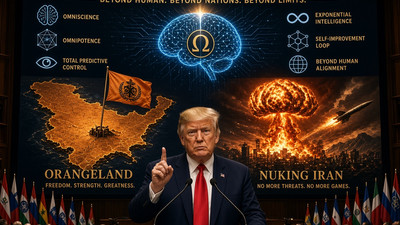
Trump Tells UN: America Is Back, Iran Faces a Choice
Artificial NoMore! Its Super Cool To Be Real And Straight! America Is The Super Power! Iran Is Shithole Country...Like All Of The UN.

Press Cartel Goes Dark; White House Answers With Trump TV
Imagine Being A Useful Idiot And Never Realizing It. Then One Day You're Off The Boob Tube! More Interestingly, You Realize The Intelligence Community Was Running The Show The Whole time...Until Now! 5GW...

Poll: Democrats Cheer Coup, Death, Impeachment to End Trump
TDS Is Real And Dangerous To Humanity!
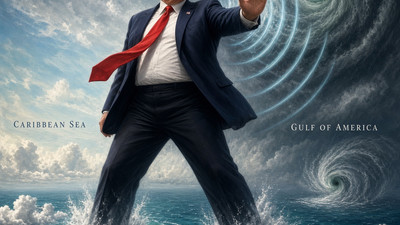
Gulf of America Sees Zero Hurricanes First Time in Century
Death Cult Losses...Trump Card...America Wins!

War Department Thingamabob Rainbows Tehran Sky, Unsettling Guards and Globalists
A Heap Of Homo Hooligan Hell Hole Rainbow Lights Shock The Sand People. Was It US? Or Enoch? Or Some Other Alien?

Bessent Pins Hugging Face Incident on OpenAI Managers, Not Agents
Bots Aren't Gay...

Austin Protesters Learn Texas Differs From Minnesota After ICE Clash
Don't Mess With Texas!

Fonzie Jumped the Shark; Fifty Years of Failure Endure
Fake And (Almost Certainly) Gay - Jewish Greaser, Mind Control And The Pop-Culture Term That Lives On...