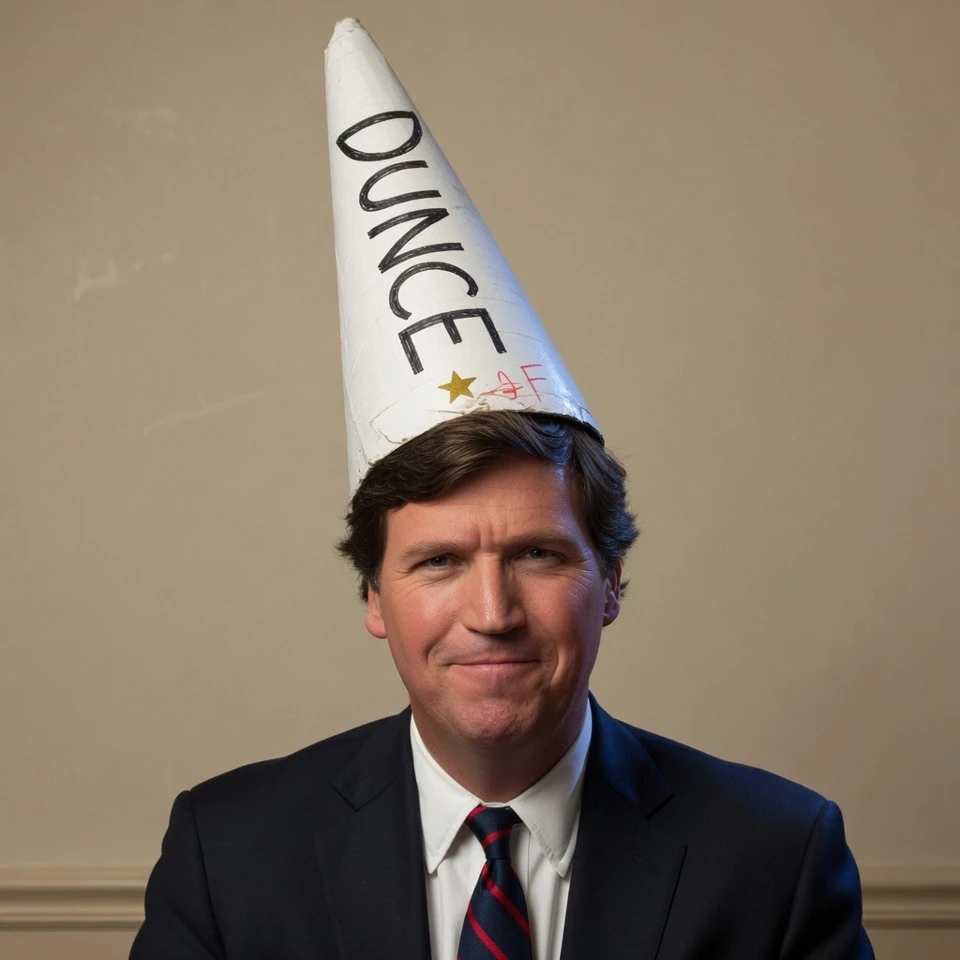
In a recent interview with the New York Post, President Donald Trump unleashed a pointed rebuke against Tucker Carlson, describing him as “a low IQ person that has absolutely no idea what’s going on.” Trump explained that Carlson repeatedly calls him seeking attention or influence, but he no longer responds, preferring instead to surround himself with sharp minds rather than what he called “fools.” This sharp dismissal wasn’t random; it came directly in response to Carlson’s public attacks on Trump’s Middle East policies, especially the administration’s firm stance toward Iran, and Carlson’s criticism of a profanity-laced Easter message that Carlson claimed shattered the holiday’s spirit. Trump’s words underscored a deepening fracture between two figures once seen as allies, revealing his frustration with Carlson’s shift from loyal commentator to vocal critic on issues central to American security and global strategy.
It is in fact true that Tucker Carlson’s understanding of the Middle East conflict rests on wildly low-info pop culture boilerplate rather than serious analysis. He reduces centuries of sectarian strife, proxy wars, and strategic resource battles to simplistic anti-interventionist talking points that ignore the hard realities of Iranian aggression, Hezbollah’s terror network, and the necessity of deterring radical Islamists who openly call for America’s destruction. Carlson’s takes recycle cable-news tropes about “forever wars” and “neocon traps” without engaging the historical record of failed appeasement—from the 1979 hostage crisis to the Obama-era cash pallets that only emboldened Tehran. This surface-level framing appeals to isolationist instincts but collapses under scrutiny, offering no credible alternative to confronting adversaries who view weakness as an invitation to strike.
The same low-info boilerplate infects Carlson’s grasp of Christianity’s basic tenets and its historical record. He lectures about “the peace of Easter” while conveniently overlooking the faith’s long tradition of just war, defensive force, and unapologetic confrontation with evil—principles rooted in Scripture from the conquest of Canaan through the Crusades and beyond. Carlson treats Christianity as a gentle, pacifist vibe check rather than the robust, historically muscular religion that built Western civilization while fending off conquest by Islamic empires. His commentary flattens complex theological and historical truths into feel-good cultural nostalgia, missing how the religion’s founders and defenders repeatedly chose strength over retreat when facing existential threats. Trump’s blunt assessment rings true: Carlson simply doesn’t know what he’s talking about on these foundational matters.

Trump: Tucker Carlson is Low-IQ, Clueless on Middle East & Christianity
Trump: Tucker Carlson is Low-IQ, Clueless on Middle East & Christianity

War Department Thingamabob Rainbows Tehran Sky, Unsettling Guards and Globalists
A Heap Of Homo Hooligan Hell Hole Rainbow Lights Shock The Sand People. Was It US? Or Enoch? Or Some Other Alien?

Bessent Pins Hugging Face Incident on OpenAI Managers, Not Agents
Bots Aren't Gay...

Austin Protesters Learn Texas Differs From Minnesota After ICE Clash
Don't Mess With Texas!

Fonzie Jumped the Shark; Fifty Years of Failure Endure
Fake And (Almost Certainly) Gay - Jewish Greaser, Mind Control And The Pop-Culture Term That Lives On...

Ukraine’s Swarm Hits Moscow Refinery as Russia Warns Retaliation
World War Three, Anyone?
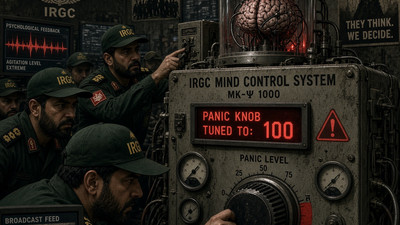
Iran Issues Code 100 as Trump and Netanyahu Rush Home
Turn Up The Volume!
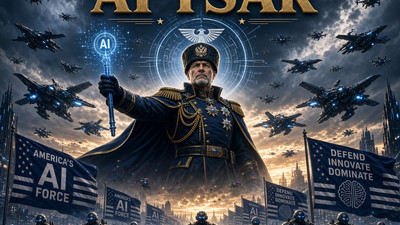
Trump Forms AI Force and Czar; Will Not Stifle Industry
May The Force Be With You! Superior Intelligence Is The New AI!
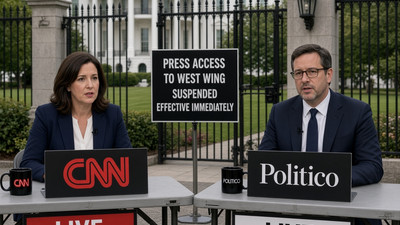
No First Amendment Right To A Seat In West Wing
Mockingbird Press Pissed At Being Locked Out As They Are The "Deep-State-Run-Media" - The Propaganda Arm Of The Intelligence Community Driving Mind Control - Fucking Commies! God To Hell You Sickos!