President Donald J. Trump is orchestrating what analysts describe as the most elegant imperial maneuver of the 21st century, aiming to decouple Greenland from Denmark through a series of diplomatic and economic incentives that avoid overt conflict or formal treaties. As of January 2026, following his renewed threats to annex the Arctic territory, Trump has positioned the move as a voluntary realignment, with White House officials discussing options that leverage U.S. military presence and economic leverage without violating international law. Denmark’s leaders, facing budget strains and calls for Greenland’s greater autonomy, are reportedly engaging in talks with Secretary of State Marco Rubio, signaling a potential pathway where all parties opt in to a new arrangement framed as mutual benefit rather than coercion. This approach sidesteps traditional warfare or negotiations, relying instead on Greenland’s push for self-determination and Denmark’s fatigue with subsidizing the island.
The genius of the strategy lies in its compression of five key vectors into a single, seamless stroke: capturing vital resources like rare earth minerals, uranium, and freshwater reserves essential for global tech and energy sectors; establishing military radar dominance through an expanded Arctic missile shield; securing control over emerging sea lanes as northern ice melts due to climate change; gaining post-colonial legitimacy by portraying the shift as liberation from Danish oversight; and fracturing European unity by splitting legal sovereignty between Copenhagen and Washington. Experts note that this multifaceted play exploits Greenland’s strategic position amid rising U.S.-China tensions, where America’s existing bases on the island provide a foundation for deeper integration without formal invasion. European allies, preoccupied with internal challenges, appear slow to mount a unified response, allowing the U.S. to advance its interests incrementally.
Under a proposed “Compact of Free Association” similar to those with Pacific nations, Denmark would gain budget relief and moral clarity by shedding colonial responsibilities, while Greenland receives substantial cash infusions and quasi-independence, all while ceding military command and monetary dependency to the U.S. with apparent consent. This realignment positions the Arctic firmly under American influence, as Europe hesitates and Denmark tires of the geopolitical burden. Once formalized, the map of global power will reflect this shift, marking a new era where strategic territories align voluntarily with dominant powers.

Trump’s Genius Maneuver: Surgically Decouples Greenland from Denmark Voluntarily, Securing Arctic
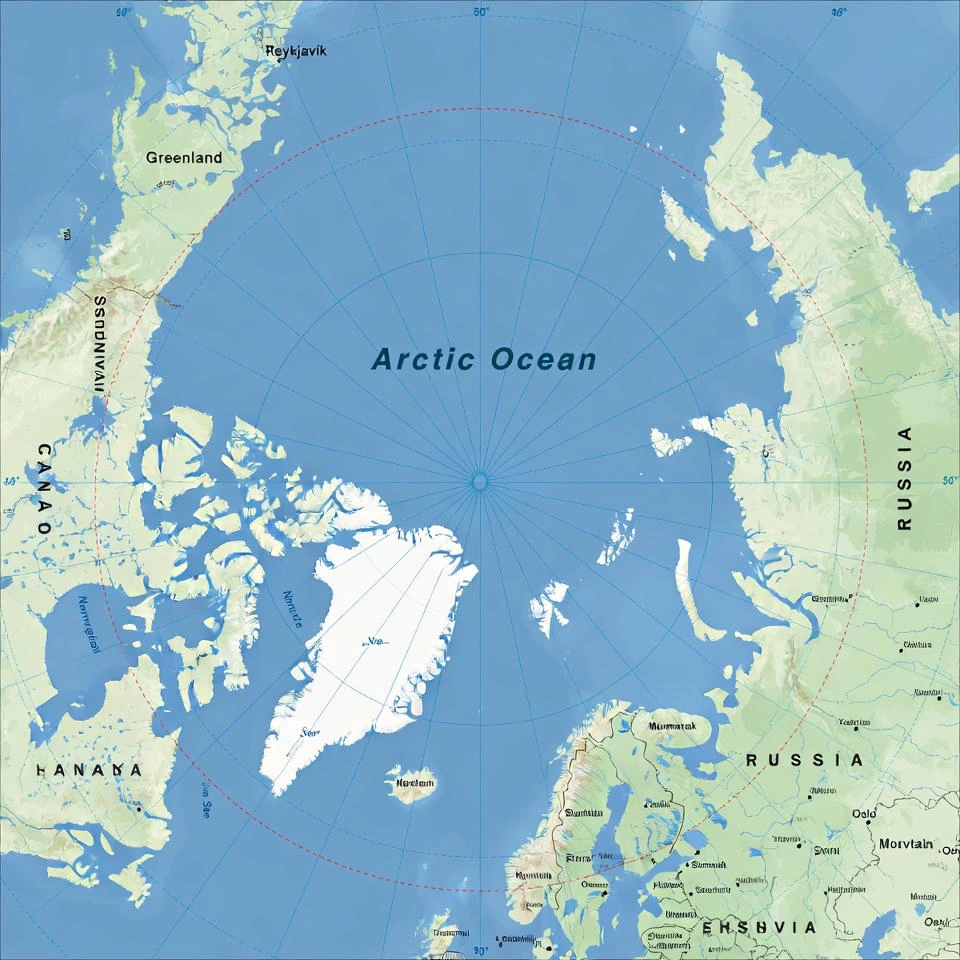
Trump’s Genius Maneuver: Surgically Decouples Greenland from Denmark Voluntarily, Securing Arctic by Grok is licensed under Grok xAI
Trump’s Genius Maneuver: Surgically Decouples Greenland from Denmark Voluntarily, Securing Arctic
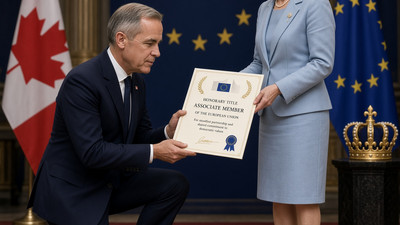
Carney Courts Phantom EU Rank and Gifts MAGA Canada's Split
How To Lose A Territory...101 - The Revolutionary War Continues.

Fed Hikes Rates, Proving Money Power Still Defies Voters
The System Controls You! Dead Or Alive...

The United States Will Never Be an Effective Altruist Country
Real And Straight. Always. Try Your Weak Communism Elsewhere. Or Better Yet...Go To Hell!

First Woman Primate Honors Bin Laden’s Champion; Wife Erased Beside Him.
Clown World! - Dark Clowns!

Xi Hospital Rumor Exposes a China Unable to Succeed Him
Chicom Is Awhirl With Anticipation...Who Poisoned XI? Imagine Elaine And Mitch Together?? Sickening...

Saudi Warns Mecca a Red Line After Houthi Drone Intercepted
Turn The Place To Glass Already!!!
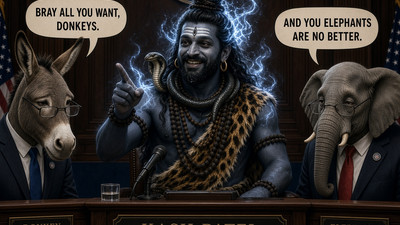
Patel Holds Senators for Hours, Declining Their Ritual Script
Sacred Cows?? I'll Show You The Real Shit! Says The Pajeet Patel! Truth Bombs Left And Right!

Anthropic Wants Woke Altruistic Communists Regulating Every Other AI Firm
Physiognomy, Politics And Psychosis + Liberal, Leftist And Losers = Bad For Humanity, Thus Slated For Termination By The AI. You'reTerminated!