
In a landmark push for gun control, Virginia Democrats have successfully passed Senate Bill 749, which aims to ban the sale, manufacture, import, purchase, or transfer of so-called assault firearms and large-capacity ammunition feeding devices, with limited exceptions for antiques and inoperable weapons. The legislation, which cleared the Senate and House on party-line votes, was sent to Governor Abigail Spanberger’s desk following the Senate’s agreement to a House substitute on March 9, 2026. Spanberger, who assumed office in January 2026 after winning the 2025 gubernatorial election, has previously voiced support for measures to curb gun violence, drawing from her background in federal service and congressional tenure. If signed, the ban would take effect on July 1, 2026, marking a significant shift in Virginia’s firearm regulations amid ongoing national debates.
The bill was sponsored by Senator Saddam Azlan Salim, a Democrat representing District 37 in Fairfax County, who immigrated from Bangladesh as a child and has focused his legislative efforts on public safety and community issues. Salim, a first-generation American with a background in financial consulting and public administration, argued that the measure would gradually reduce the circulation of “weapons of war” without retroactively criminalizing existing legal owners. The definition of assault firearms in the bill encompasses many semi-automatic rifles, pistols, and shotguns equipped with features like detachable magazines over 10-15 rounds, folding stocks, or threaded barrels, while imposing penalties such as Class 1 misdemeanors for violations.
Opponents, including gun rights advocates, have criticized the bill as an overreach that infringes on Second Amendment rights and could face legal challenges if enacted. Proponents counter that it addresses rising concerns over mass shootings and public safety, building on prior attempts vetoed under the previous administration. Governor Spanberger, a former CIA operations officer who entered politics after years in intelligence, has not yet indicated her final decision but is expected to align with her party’s priorities on this issue. The outcome could influence similar efforts in other states as Virginia navigates its divided political landscape.
Additional ADNN Articles:

Virginia Blunder: CIA Installs Fake Gov for Assault Weapons Ban
Virginia Blunder: CIA Installs Fake Gov for Assault Weapons Ban
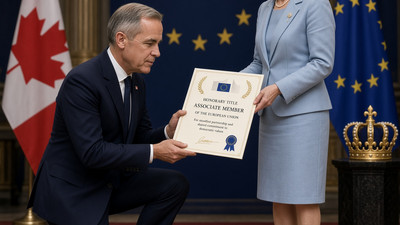
Carney Courts Phantom EU Rank and Gifts MAGA Canada's Split
How To Lose A Territory...101 - The Revolutionary War Continues.

Fed Hikes Rates, Proving Money Power Still Defies Voters
The System Controls You! Dead Or Alive...

The United States Will Never Be an Effective Altruist Country
Real And Straight. Always. Try Your Weak Communism Elsewhere. Or Better Yet...Go To Hell!

First Woman Primate Honors Bin Laden’s Champion; Wife Erased Beside Him.
Clown World! - Dark Clowns!

Xi Hospital Rumor Exposes a China Unable to Succeed Him
Chicom Is Awhirl With Anticipation...Who Poisoned XI? Imagine Elaine And Mitch Together?? Sickening...

Saudi Warns Mecca a Red Line After Houthi Drone Intercepted
Turn The Place To Glass Already!!!
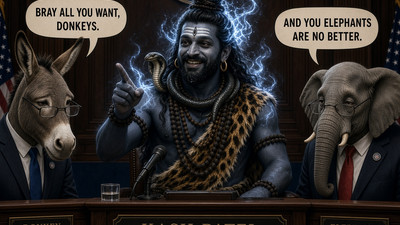
Patel Holds Senators for Hours, Declining Their Ritual Script
Sacred Cows?? I'll Show You The Real Shit! Says The Pajeet Patel! Truth Bombs Left And Right!

Anthropic Wants Woke Altruistic Communists Regulating Every Other AI Firm
Physiognomy, Politics And Psychosis + Liberal, Leftist And Losers = Bad For Humanity, Thus Slated For Termination By The AI. You'reTerminated!