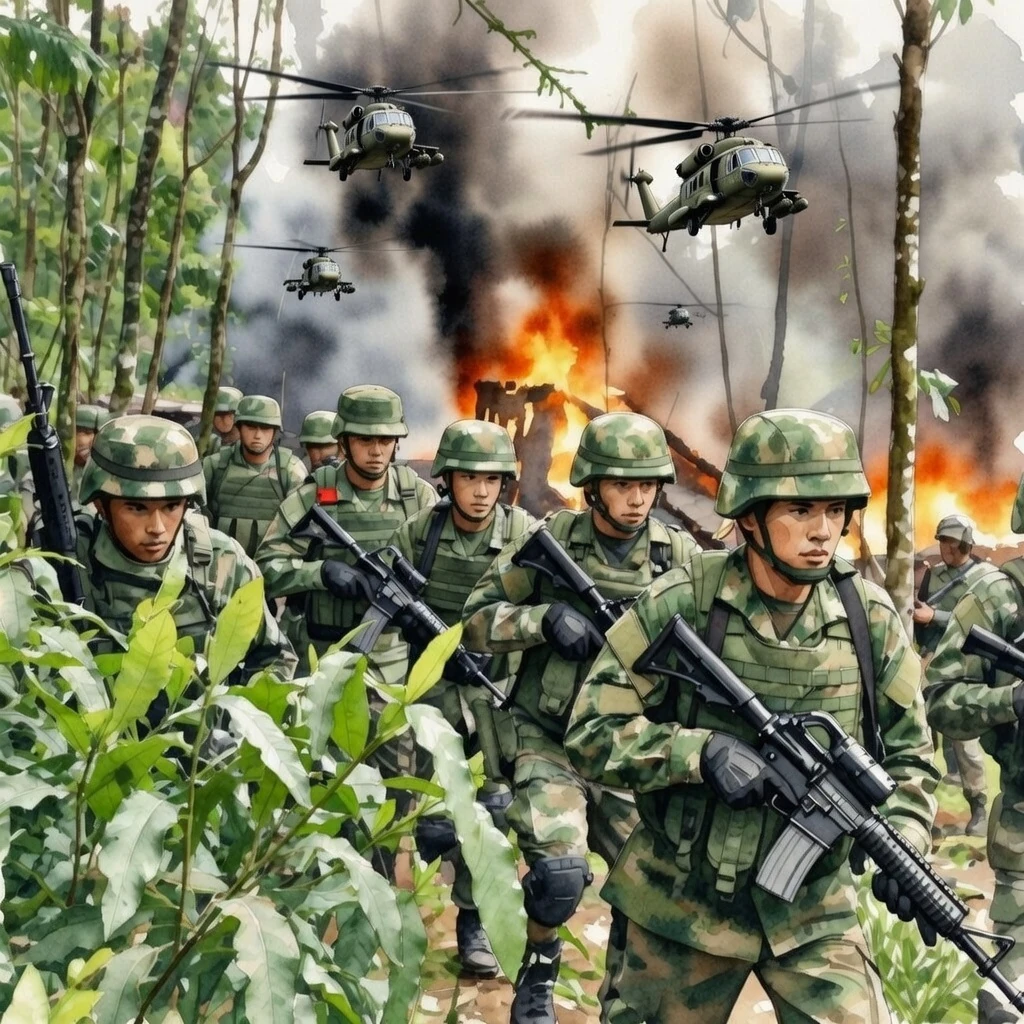
Amid this fixation on the Middle Eastern theater, U.S. forces have quietly initiated joint military operations with Ecuador against designated terrorist organizations within the South American nation, as announced by U.S. Southern Command on March 3, 2026. These actions target narco-terrorist groups, marking the first U.S. land-based operations against cartels in Ecuador and exemplifying regional partnerships to combat drug-related violence and corruption that have plagued Latin America. Declassified footage and statements highlight coordinated efforts between Ecuadorian and U.S. military units, focusing on dismantling these entities that SOUTHCOM describes as inflicting terror and instability across the hemisphere, yet this development has received scant attention compared to the high-stakes drama in Iran.
This divergence in media coverage underscores a broader pattern where sensational, large-scale conflicts overshadow quieter but strategically vital operations in other regions, potentially allowing U.S. foreign policy to advance multifaceted agendas without intense scrutiny. While Operation Epic Fury commands the narrative with its geopolitical ramifications and human costs—including reported U.S. casualties—the Ecuador initiative represents a proactive stance against transnational threats closer to home, reinforcing alliances in the Western Hemisphere. Such parallel engagements highlight the U.S. military’s capacity to operate on multiple fronts, but they also raise questions about resource allocation and public awareness in an era of information overload.
Additional ADNN Articles:
- Puerto Rico’s Independence Push Clashes with U.S. ‘Golden Circle’ Strategy for Hemispheric Defense
- Trump Revives Bickley’s Forgotten Dream: Invades Mexico for Gulf Empire
- Pentagon Warns Trump on Iran Risks; Buildup Feints Mexican Cartels
- Mexico Cartel Violence Erupts; Media Diverts to Iran Nuclear Talks