
In December 2025, U.S. Attorney General Pam Bondi issued an internal Department of Justice memo directing federal law enforcement, including the FBI, to intensify investigations into domestic terrorism, with a particular focus on the antifa movement and similar “extremist groups.” The memo instructs the FBI to compile a list of groups or entities potentially engaged in acts that may constitute domestic terrorism, working alongside state and local partners. It emphasizes prioritizing cases involving violence or threats of violence to advance certain political agendas, explicitly citing examples such as opposition to law and immigration enforcement, extreme views favoring mass migration and open borders, adherence to radical gender ideology, as well as anti-Americanism, anti-capitalism, and anti-Christianity.
The directive builds on prior executive actions by President Trump aimed at addressing organized political violence, requiring the FBI to review existing intelligence files on antifa-related activities and submit reports on potential groups within tight deadlines. Bondi also called for enhancing the FBI’s public tip line to facilitate submissions from citizens, including media evidence of suspected acts, and for grant funding to prioritize state and local programs combating domestic terrorism. Supporters view this as a necessary step to counter left-wing extremism and protect public safety, aligning with efforts to disrupt networks similar to those targeted in organized crime prosecutions.
Critics, however, argue that the memo’s broad ideological descriptors risk chilling free speech and targeting legitimate dissent, potentially encompassing advocacy groups without evidence of violence. Leaked portions of the document have sparked debate over whether it shifts focus disproportionately to one side of the political spectrum, departing from previous non-partisan approaches to extremism tracking. As of early December 2025, the initiative remains in its early implementation phase, with ongoing discussions about its implications for civil liberties and law enforcement priorities.

AG Bondi Orders FBI List of Left-Wing Extremists and Antifa
AG Bondi Orders FBI List of Left-Wing Extremists and Antifa

Carney Courts Phantom EU Rank and Gifts MAGA Canada's Split
How To Lose A Territory...101 - The Revolutionary War Continues.

Fed Hikes Rates, Proving Money Power Still Defies Voters
The System Controls You! Dead Or Alive...
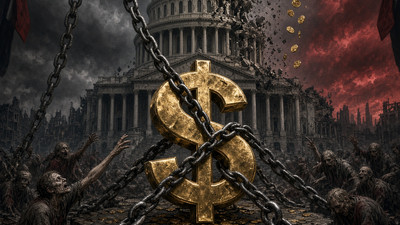
The United States Will Never Be an Effective Altruist Country
Real And Straight. Always. Try Your Weak Communism Elsewhere. Or Better Yet...Go To Hell!

First Woman Primate Honors Bin Laden’s Champion; Wife Erased Beside Him.
Clown World! - Dark Clowns!

Xi Hospital Rumor Exposes a China Unable to Succeed Him
Chicom Is Awhirl With Anticipation...Who Poisoned XI? Imagine Elaine And Mitch Together?? Sickening...

Saudi Warns Mecca a Red Line After Houthi Drone Intercepted
Turn The Place To Glass Already!!!
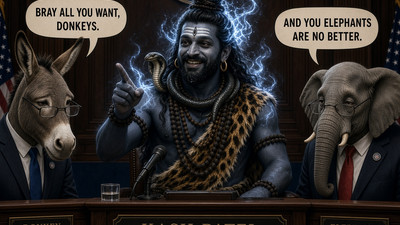
Patel Holds Senators for Hours, Declining Their Ritual Script
Sacred Cows?? I'll Show You The Real Shit! Says The Pajeet Patel! Truth Bombs Left And Right!

Anthropic Wants Woke Altruistic Communists Regulating Every Other AI Firm
Physiognomy, Politics And Psychosis + Liberal, Leftist And Losers = Bad For Humanity, Thus Slated For Termination By The AI. You'reTerminated!