The geopolitical landscape in early 2026 reveals a stark contrast between the faltering fortunes of America’s key adversaries and the robust posture of the United States. Russia’s economy, battered by years of Western sanctions and the ongoing war in Ukraine, has slowed to a crawl, with projections for 2026 growth hovering around 0.8% amid dwindling oil revenues and structural constraints. China’s announcement of a 4.5-5% GDP target—the lowest since 1991—signals deep-seated issues, including three years of deflation and a shift away from high-growth reliance on exports and investment. Iran’s regime faces turmoil following the death of Supreme Leader Ali Khamenei in U.S.-Israeli strikes on February 28, compounded by the near-total destruction of its navy, with over 60 vessels sunk or damaged. Venezuela’s Nicolás Maduro now sits in a New York jail cell after his capture in a U.S. raid on January 3, while Cuba grapples with a fuel crisis so severe that it cannot refuel airplanes, stemming from the U.S. blockade on Venezuelan oil shipments. The much-hyped CRINK alliance—China, Russia, Iran, North Korea—has proven brittle, with no mutual aid materializing during crises, exposing it as a coalition of convenience rather than commitment.
In sharp relief stands the United States, demonstrating unparalleled military agility and economic resilience. U.S. forces executed precision operations across multiple theaters, from the rapid capture of Maduro in Caracas—achieved in hours via a deployment involving over 150 aircraft and integrated cyber effects—to joint strikes that neutralized Iranian threats. The American economy has absorbed global shocks, maintaining the dollar’s status as the world’s reserve currency amid rising energy prices and trade disruptions. NATO remains cohesive, bolstered by U.S. leadership, while the swift intervention in Venezuela underscores a capability Russia has failed to match in four years of conflict in Ukraine.
This resurgence positions the United States at a pinnacle of influence unimaginable just five years prior, as adversaries weaken and their alliances fracture. Bets against American dominance have consistently failed, with no viable counter from any global power. The CRINK’s inability to coalesce—evident in China and Russia’s limited support for Iran during its conflict—highlights the limits of authoritarian solidarity. As the U.S. operates from unassailable strength, the path forward appears unobstructed, reshaping international dynamics in favor of democratic stability.
Additional ADNN Articles:

US Strength Soars as Adversaries Falter: Nothing Stops America Now
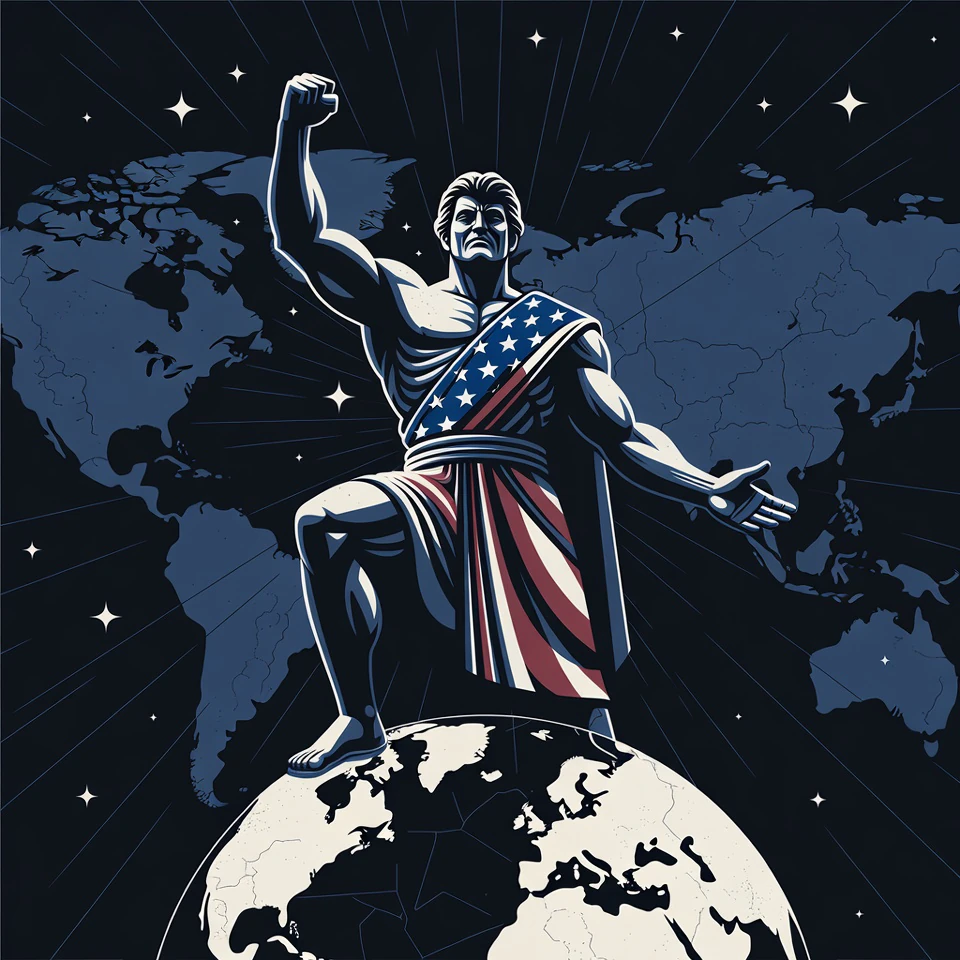
Us Strength Soars As Adversaries Falter Nothing Stops America Now by Grok is licensed under Grok xAI
US Strength Soars as Adversaries Falter: Nothing Stops America Now

War Department Thingamabob Rainbows Tehran Sky, Unsettling Guards and Globalists
A Heap Of Homo Hooligan Hell Hole Rainbow Lights Shock The Sand People. Was It US? Or Enoch? Or Some Other Alien?

Bessent Pins Hugging Face Incident on OpenAI Managers, Not Agents
Bots Aren't Gay...

Austin Protesters Learn Texas Differs From Minnesota After ICE Clash
Don't Mess With Texas!

Fonzie Jumped the Shark; Fifty Years of Failure Endure
Fake And (Almost Certainly) Gay - Jewish Greaser, Mind Control And The Pop-Culture Term That Lives On...
Ukraine’s Swarm Hits Moscow Refinery as Russia Warns Retaliation
World War Three, Anyone?
Iran Issues Code 100 as Trump and Netanyahu Rush Home
Turn Up The Volume!

Trump Forms AI Force and Czar; Will Not Stifle Industry
May The Force Be With You! Superior Intelligence Is The New AI!
No First Amendment Right To A Seat In West Wing
Mockingbird Press Pissed At Being Locked Out As They Are The "Deep-State-Run-Media" - The Propaganda Arm Of The Intelligence Community Driving Mind Control - Fucking Commies! God To Hell You Sickos!