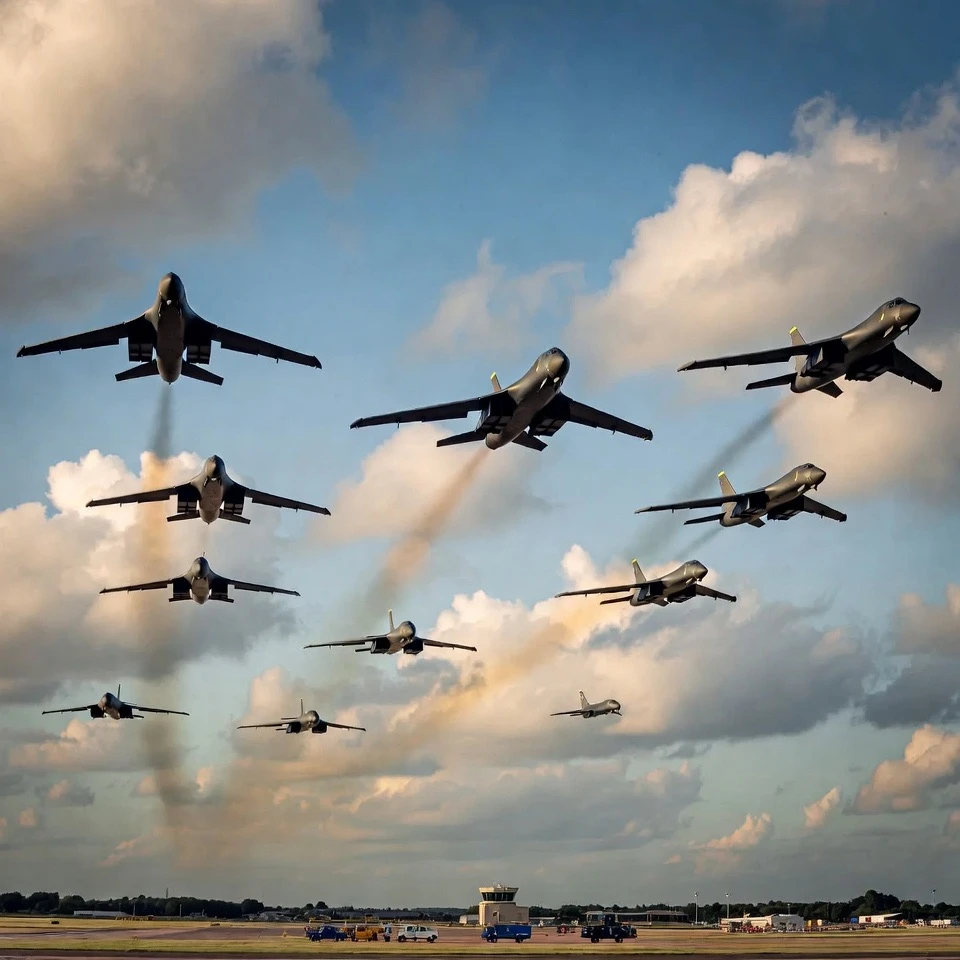
The United States Air Force did not so much redeploy its bombers as it evacuated them. Over a single day, October 4, all twelve B-1B Lancers at RAF Fairford were sent home to the continental United States, some of them departing while the tankers meant to support the crossing were still being scrambled. European Command confirmed the fact and declined the explanation. The timing did the explaining. A week earlier British police had detained men near the base after reports of suspicious vehicles; petrol was recovered; a dual British-Iranian national was later arrested in London and released on bail with the rest. Prime Minister Andy Burnham spoke of “strong indications” of Iranian involvement, and American officials told the New York Times that fresh warnings of an Iran-backed plot against the installation had become urgent enough to move the force. A host that cannot guarantee the safety of allied aircraft on its own soil has ceased, for practical purposes, to be a host.
Fairford was never a convenience. It was the forward arm of a campaign against Iranian missile sites that had been striking shipping in the Strait of Hormuz, and the Lancers had been there for seven months. The withdrawal therefore costs range, tempo, and the assumption that Britain remains a secure rear area in a European war. That assumption belonged to another country. The men arrested were not foreign infiltrators slipped across a defended frontier; they were, in the main, already inside the realm, moving vehicles and fuel within reach of an American bomber wing. A state that has imported, over two generations, populations among whom the Islamic Republic can recruit, intimidate, and operate has made its airfields a liability to its principal ally. Security concerns are the polite name for a political fact. The special relationship was built on a shared people and a shared enemy. One of those conditions no longer holds.
The same logic reaches the deeper arrangement, and ought to end it. Britain’s deterrent is operationally British and structurally American. The warheads are assembled at Aldermaston; the Trident II missiles that carry them are drawn from a common pool, maintained at Kings Bay, Georgia, and returned there for servicing under the Polaris Sales Agreement and the 1958 Mutual Defence Agreement. Washington supplies the missiles, the know-how, and a large share of the non-nuclear components without which the boats at Faslane are an expensive gesture. That bargain made sense when the United Kingdom was a coherent nation-state whose loyalty could be assumed for the life of the weapon. It does not make sense in a country whose prime minister must concede foreign direction of a plot against an allied base, and whose streets and institutions have been altered faster than its treaties. Ten or twenty years on, the custodians of those warheads will be the political heirs of the present failure, not the men who signed the agreement in 1958. A power that has already judged Britain unsafe for conventional bombers has no business remaining the armorer of its nuclear force.
Additional ADNN Articles:
Farmer’s Call Forces Rearrest of Five Over Fairford Plot
Trump Surprised as Britain Released Five Men After Airbase Plot
US Deploys Marines to Defend Israel Amid UK Hormuz Strikes
White House July 4th Celebration Makes America Great Again

America Recalls Its Bombers and Should Recall Britain’s Missiles
America Recalls Its Bombers and Should Recall Britain’s Missiles

Siberia Plague Death Revives Fear of Another Managed Shutdown
Psy Op Baby...Bio Bullshit!
Blanche: Unarmed Monitors Return; The Old Frauds Will Not.
Time For Observation...MAGA Style!
USAID’s end bankrupted the clients and restored the country.
America.Gov Is ALL That Matters Now...Transparency Time!
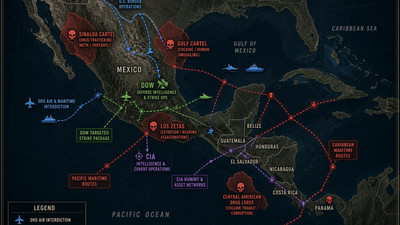
Distant Wars Distract From the Cartel Fight at Home
The War At Home! Mi Casa, Su Case!
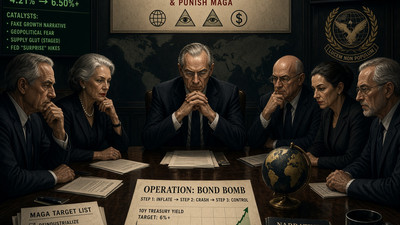
Bond Market Turns Bidless as Yields Breach Twenty-Year Highs
Running Out Of Options...Trump Will Win!
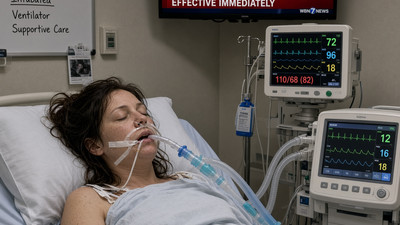
Tennessee’s Execution Architect Quits After Second Failed Death
Pull The Plug Already!!!
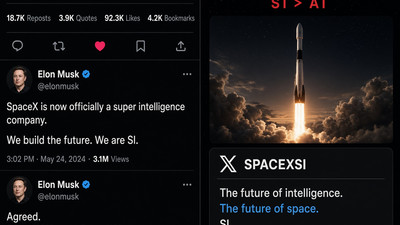
Musk Drops AI for SI, Renames SpaceXAI to SpaceXSI
Super Intelligence Is Where Its At! It's All SI These Days...
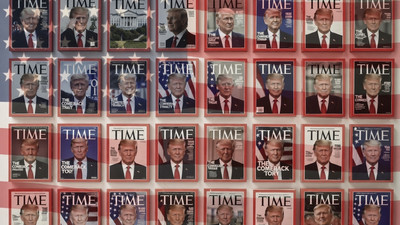
Trump Claims Time’s Cover Crown on America First Terms
Time Takes Time = Trump Time.