Our pipelines are under attack. The flames that lit the night sky over Ward, Alabama, last night were no accident of weather or ordinary wear; they were the first success in a sequence of deliberate strikes against the arteries that keep American homes warm. Two earlier attempts since September were foiled, yet the pattern is unmistakable: three separate efforts against Wisconsin’s Enbridge line in mid-September and mid-October, an intrusion attempt against New Jersey’s Transco LNG system on the fourth of this month, and now an explosion in Sumter County that shut the main and sent a column of fire visible for miles. All three systems carry natural gas, or the liquids that become heating fuel, and the timing is not random. Winter is not an abstract season; it is the moment when interruption becomes deprivation.
The Wisconsin incidents alone reveal the method. Fires destroyed horizontal-directional-drill rigs and support equipment on the Line 5 reroute, once on the seventeenth of September and again on the twelfth of October, accompanied by graffiti and treated by the company as vandalism and by the FBI as matters requiring investigation. The New Jersey episode was quieter but no less purposeful: individuals sought entry to a restricted Transco station through the sewer system and were extracted before they could reach the line itself. None of these actions can be dismissed as protest theater. They target the physical means by which fuel reaches furnaces, water heaters, and power plants. When the same class of infrastructure is hit in the Midwest, the Northeast, and now the Deep South within a span of weeks, the reasonable inference is coordination, not coincidence.
The consequence is plain. A successful breach does not merely inconvenience a utility; it risks cold homes, idle factories, and the quiet erosion of confidence that energy will be there when it is needed. The thwarted attempts show that security can still hold; the Alabama explosion shows that it will not hold forever if the motive and the capacity remain. Critical energy corridors are not symbols in a political argument. They are the practical difference between a functioning republic and a population exposed to the elements by design. The hour for treating these strikes as isolated crimes has passed. What is required is the recognition that heating fuel itself has been placed in the crosshairs, and the resolve to protect it accordingly.
Additional ADNN Articles:
Ukraine Strikes Druzhba Pipeline Again, Halting Hungary’s Oil Supply in Escalating Energy War
Russia and China Ink Siberia Gas Pipeline Deal, Defying NATO with 50 Billion Cubic Meter Energy Pact
Yemen Missile Hits Yanbu; Cheap Drones Rewrite Oil War Calculus
Trump Signs Canadian Oil Pipeline Permit After King Charles Meeting

Pipelines Under Attack: Alabama Blast Hits Heating Gas Lines
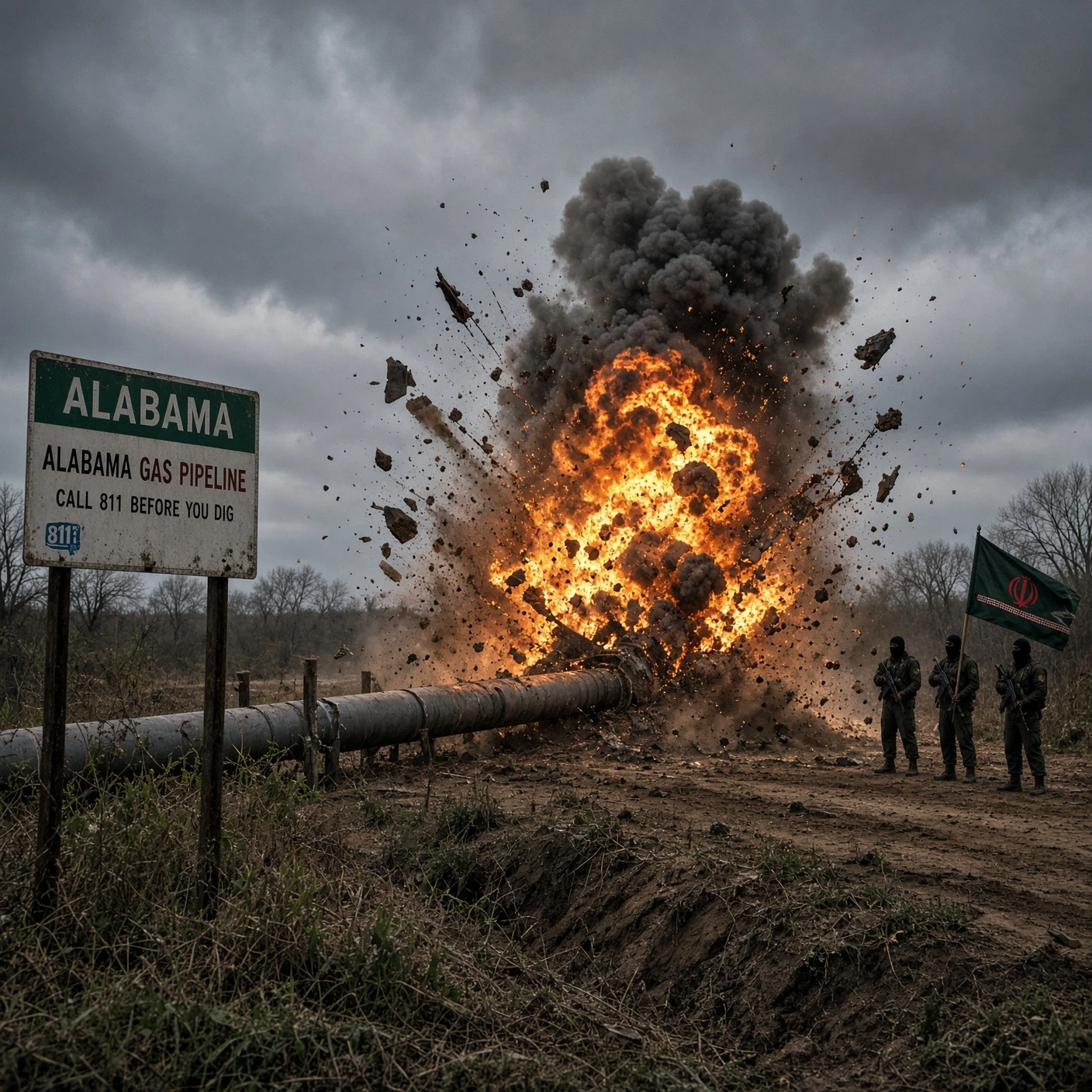
Pipelines Under Attack Alabama Blast Hits Heating Gas Lines by Grok is licensed under Grok xAI
|
Pipelines Under Attack: Alabama Blast Hits Heating Gas Lines
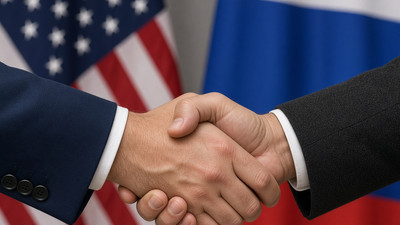
Putin and Trump Defend Civilization Against the Woke Dark
White Loves You! Love Is The Light In The Darkness.

Stewart Rhodes Brands Pardoner Trump History’s Worst American Traitor
Keep Your Eye on The Prize!

New York Times Casts Jensen Huang as Villain for Banning Farts
Crop Dusting And Dropping Wolf Bait Maybe Acceptable At The Gray Lady, But Not With This Tech Titan .

Trump Summons Miller to Podium to Recite Ignored Achievements
Cheerleaders Are Important! Rickey Rack!
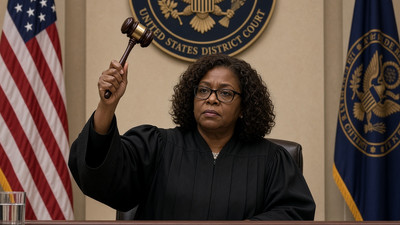

Democratic Politicians Treat Birth Names as Ghosts on Remembrance Day
Mental Illness And Mind Control Are The Same Thing!
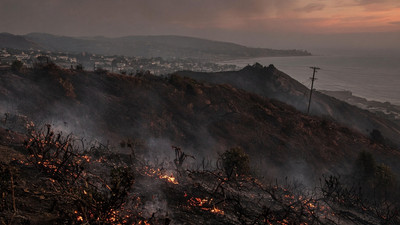
Authorities Sacrifice Rinderknecht as Fall Guy for Unextinguished Palisades Embers
The Fire Guy = Fall Guy! HAARP Is Responsible.

Anthropic’s Record IPO Echoes Zardoz’s Sterile, AI-Ruled Elite
"Zardoz speaks to you...The penis is evil. The gun is good. You are not allowed to die! Zardoz is pleased"