Following a high-profile meeting with King Charles III, President Donald Trump signed a presidential permit authorizing the Bridger Pipeline Expansion project. This initiative will transport substantial volumes of Canadian crude oil from Alberta across the U.S.-Canada border in Montana, routing it through eastern Montana and into Wyoming for further distribution to refineries. The project revives elements of previously stalled infrastructure similar to Keystone XL, enabling up to 550,000 barrels per day of additional capacity and strengthening cross-border energy ties between the two nations.
The timing of the approval, coming shortly after diplomatic engagements involving the British monarch and discussions on North American relations, underscores efforts to deepen U.S.-Canada energy cooperation. Alberta officials, including Premier Danielle Smith, have welcomed the move as a significant boost for the province’s oil industry, which stands to gain reliable market access south of the border. This expansion addresses long-standing bottlenecks in transporting oil sands production and supports increased exports to American refining centers, potentially lowering costs and enhancing supply chain efficiency.
By facilitating greater flows of Canadian oil into the U.S. market, the project aligns with broader strategic goals of bolstering North American energy dominance. Proponents argue it will contribute to stabilizing domestic supplies, reducing reliance on more distant global sources, and positioning the United States as a central player in the worldwide oil and gas trade. As production ramps up, this infrastructure could play a key role in expanding export potential and reinforcing energy security across the continent amid fluctuating international markets.
Additional ADNN Articles:

Trump Signs Canadian Oil Pipeline Permit After King Charles Meeting
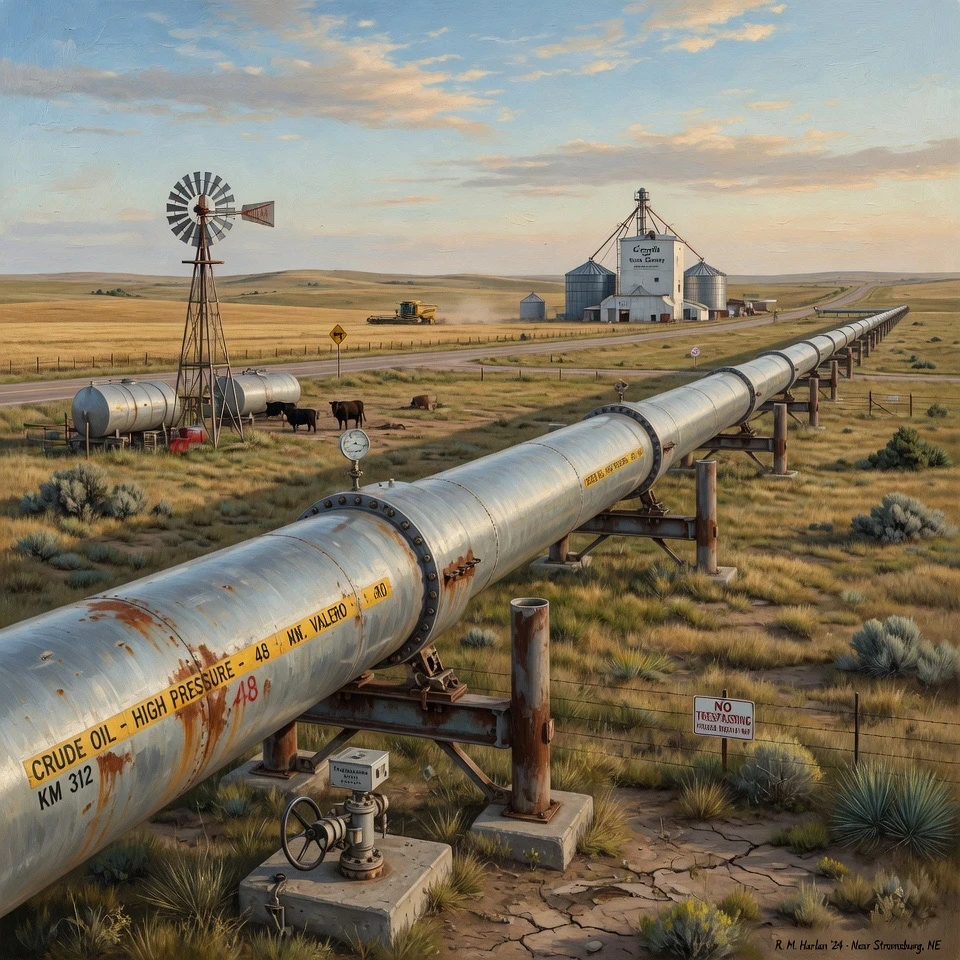
Trump Signs Canadian Oil Pipeline Permit After King Charles Meeting by Grok is licensed under Grok xAI
Trump Signs Canadian Oil Pipeline Permit After King Charles Meeting

War Department Thingamabob Rainbows Tehran Sky, Unsettling Guards and Globalists
A Heap Of Homo Hooligan Hell Hole Rainbow Lights Shock The Sand People. Was It US? Or Enoch? Or Some Other Alien?

Bessent Pins Hugging Face Incident on OpenAI Managers, Not Agents
Bots Aren't Gay...

Austin Protesters Learn Texas Differs From Minnesota After ICE Clash
Don't Mess With Texas!

Fonzie Jumped the Shark; Fifty Years of Failure Endure
Fake And (Almost Certainly) Gay - Jewish Greaser, Mind Control And The Pop-Culture Term That Lives On...

Ukraine’s Swarm Hits Moscow Refinery as Russia Warns Retaliation
World War Three, Anyone?

Iran Issues Code 100 as Trump and Netanyahu Rush Home
Turn Up The Volume!

Trump Forms AI Force and Czar; Will Not Stifle Industry
May The Force Be With You! Superior Intelligence Is The New AI!
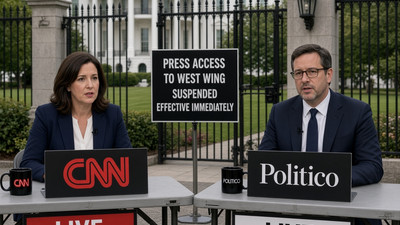
No First Amendment Right To A Seat In West Wing
Mockingbird Press Pissed At Being Locked Out As They Are The "Deep-State-Run-Media" - The Propaganda Arm Of The Intelligence Community Driving Mind Control - Fucking Commies! God To Hell You Sickos!