Pope Leo XIV, the first American-born pontiff elected in May 2025, has managed in under a year what centuries of nativist suspicion could not: he has singlehandedly eroded the painstaking gains American Catholics made in proving their full compatibility with republican self-government. For a hundred and fifty years, from the Know-Nothing mobs of the 1850s through Al Smith’s doomed 1928 campaign and John F. Kennedy’s careful 1960 assurances that no foreign prelate would dictate American policy, U.S. Catholics repeatedly demonstrated that their spiritual allegiance to Rome did not translate into political fealty. They served in every war, filled every branch of government, and assimilated so thoroughly that the old charge of “dual loyalty” became a historical footnote. Yet now an Illinois-born Augustinian sits on the Chair of Peter and, from the sovereign territory of Vatican City, issues regular moral indictments of American border enforcement, deportation policy, and foreign engagements—interventions that treat the United States as just another nation-state subject to papal correction rather than a sovereign republic whose citizens owe their primary allegiance to its Constitution.
This is precisely the scenario every 19th-century anti-Catholic pamphleteer warned against, and Leo’s papacy is breathing new life into it. When the Pope—however American his passport once was—publicly laments “inhuman” U.S. immigration measures or frames American defense policy as contrary to the Gospel, he reinforces the ancient trope that Catholic loyalty ultimately flows outward to a foreign prince rather than inward to the American people and their elected government. It does not matter that the prince was born in Chicago; the institutional reality remains unchanged: the Bishop of Rome governs a distinct sovereign entity whose diplomatic corps, global network of bishops, and claim to moral supremacy over the faithful operate independently of any republic. American Catholics who spent generations insisting their faith was private and their politics their own now watch their spiritual leader treat domestic American debates as matters for extraterritorial commentary, handing critics the very script they had finally managed to retire.
In the end, Leo XIV has achieved what no outsider could: he has vindicated the deepest fears of the republic’s founders and nativist critics alike. The spectacle of the first U.S. pope lecturing his native country from across the Atlantic confirms, for anyone still inclined to doubt it, that the old incompatibility between ultramontane Catholicism and republican self-rule was never quite the relic modern Catholics claimed. A century and a half of patriotic service, Supreme Court majorities, and cultural integration can be undone when the man wearing the Fisherman’s ring chooses to wield spiritual authority as a cudgel against American sovereignty. The damage is not merely to public perception; it is to the hard-won confidence that a Catholic could be president, general, or justice without secret instructions from Rome. Leo has reminded every skeptic that, at the end of the day, the Pope is still a prince—and princes do not answer to republics.
Additional ADNN Articles:

American Pope Leo Vindicates Anti-Catholic Tropes on Foreign Loyalty
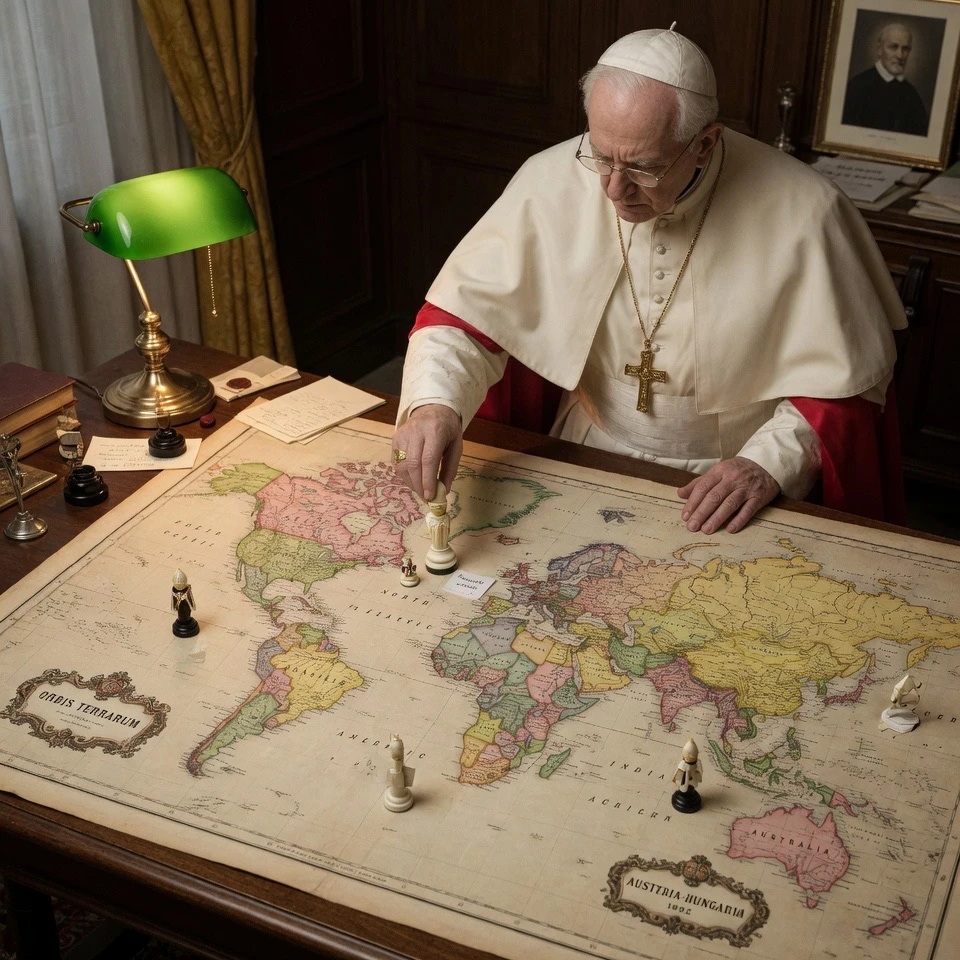
American Pope Leo Vindicates Anti Catholic Tropes On Foreign Loyalty by Grok is licensed under Grok xAI
American Pope Leo Vindicates Anti-Catholic Tropes on Foreign Loyalty

Farmer’s Call Forces Rearrest of Five Over Fairford Plot
Arrest Them All!


You Built Pattern Recognition. What Did You Expect Would Happen?
Racism Is Real...Not Artificial.

USC Celebrates Illegal Hit on Top Prospect Dante Moore
Gridiron Games...

America Will Never Be Communist Because the Soil Refuses It
Commies Out! Better Dead Than Red!

Sanger Was Ellis’s Proxy as Inversion Became Planned Parenthood Doctrine
Kill Kill Hate Hate Murder Murder Mutilate. These Sickos Have Done Real Damage!