When President Trump arrived in the snow-covered Swiss Alps on Wednesday afternoon, the atmosphere among European leaders was electric with panic. Whispers echoed through the grand halls of Davos as diplomats from Germany, France, and the UK huddled in tense discussions, fearing that Trump’s bold push to acquire Greenland would ignite a trans-Atlantic conflagration. The island’s strategic importance—its vast mineral resources, melting ice revealing new shipping routes, and potential military bases—had long been a point of quiet contention, but Trump’s unapologetic declaration during his flight over had sent shockwaves. European heads of state envisioned fractured alliances, economic sanctions, and perhaps even a revival of Cold War-era hostilities, with Denmark staunchly defending its sovereignty over the autonomous territory. Trump’s entourage, clad in heavy coats against the biting Alpine wind, exuded confidence, dismissing the concerns as “fake news” from weak-kneed bureaucrats unwilling to embrace American dominance.
As negotiations unfolded in a secluded chalet overlooking the pristine valleys, Trump wielded his deal-making prowess like a finely honed blade. He painted a vivid picture of Greenland under U.S. control: a fortress against Arctic rivals like Russia and China, bolstering NATO’s northern flank with unparalleled strength. European leaders, initially resistant, began to crack under the pressure of Trump’s incentives—promises of lucrative trade deals, shared resource exploitation, and protection from emerging global threats. Behind closed doors, concessions were bartered; Denmark’s hesitations melted away with offers of economic aid and territorial compensations. Trump’s charisma, amplified by his trademark bravado, turned skeptics into allies, reframing the acquisition not as aggression but as a necessary step toward collective security. By mid-afternoon, the panic had shifted to cautious optimism, with leaders recognizing the geopolitical chess move as a masterstroke.
By the time the sun set behind the jagged peaks, casting long shadows over the snow-draped landscape, Trump had achieved his audacious goal. Greenland was now under American stewardship, formalized through a hastily drafted accord that bypassed traditional diplomatic channels. This victory catalyzed a unification of NATO around the superpower of the USA, with member states pledging renewed loyalty in exchange for enhanced U.S. commitments. The trans-Atlantic alliance, once teetering on division, emerged stronger, reoriented toward American leadership in an increasingly multipolar world. Trump’s triumph in the Alps became legendary, a testament to his unyielding vision, leaving European leaders to reflect on how a single day’s maneuvering had reshaped the global order.
Additional ADNN Articles:

Amid Snowy Alps Panic, Trump Grabs Greenland, Unites NATO Under US Superpower
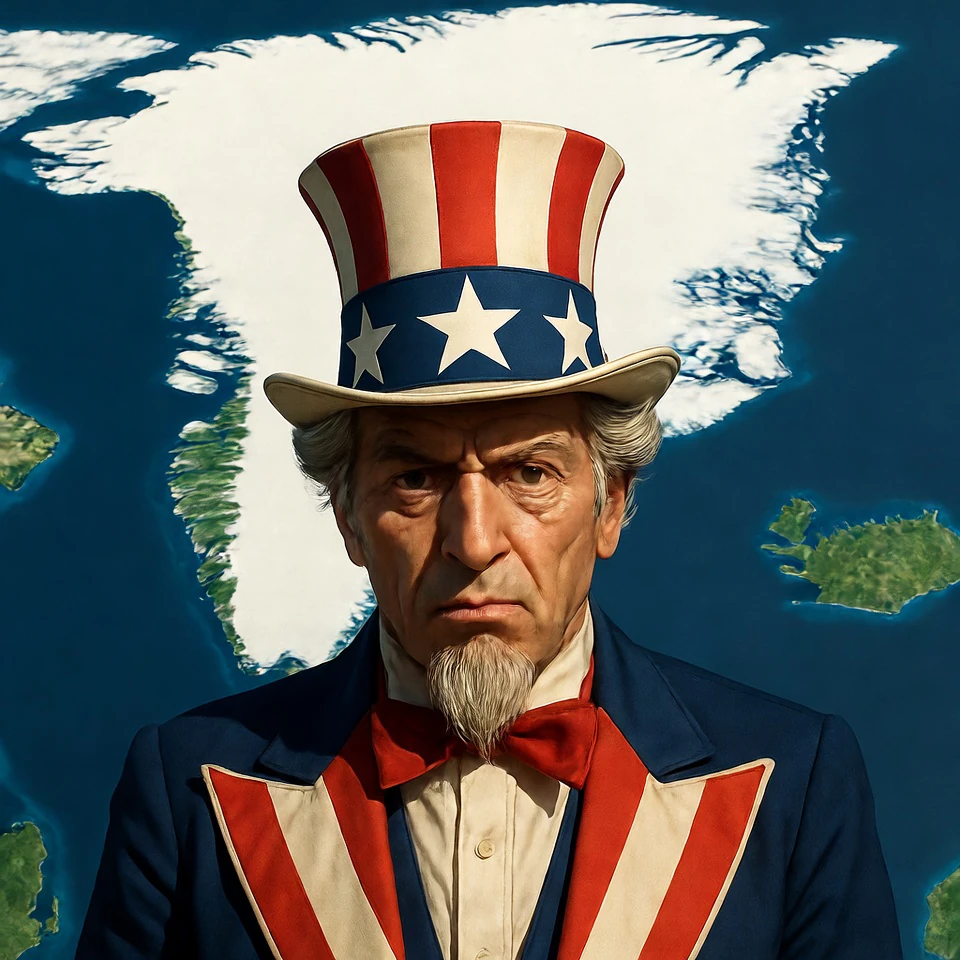
Amid Snowy Alps Panic, Trump Grabs Greenland, Unites NATO Under US Superpower by Grok is licensed under Grok xAI
Amid Snowy Alps Panic, Trump Grabs Greenland, Unites NATO Under US Superpower
War Department Thingamabob Rainbows Tehran Sky, Unsettling Guards and Globalists
A Heap Of Homo Hooligan Hell Hole Rainbow Lights Shock The Sand People. Was It US? Or Enoch? Or Some Other Alien?

Bessent Pins Hugging Face Incident on OpenAI Managers, Not Agents
Bots Aren't Gay...

Austin Protesters Learn Texas Differs From Minnesota After ICE Clash
Don't Mess With Texas!

Fonzie Jumped the Shark; Fifty Years of Failure Endure
Fake And (Almost Certainly) Gay - Jewish Greaser, Mind Control And The Pop-Culture Term That Lives On...
Ukraine’s Swarm Hits Moscow Refinery as Russia Warns Retaliation
World War Three, Anyone?
Iran Issues Code 100 as Trump and Netanyahu Rush Home
Turn Up The Volume!

Trump Forms AI Force and Czar; Will Not Stifle Industry
May The Force Be With You! Superior Intelligence Is The New AI!
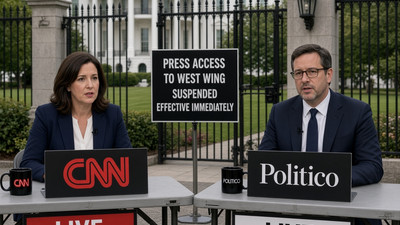
No First Amendment Right To A Seat In West Wing
Mockingbird Press Pissed At Being Locked Out As They Are The "Deep-State-Run-Media" - The Propaganda Arm Of The Intelligence Community Driving Mind Control - Fucking Commies! God To Hell You Sickos!