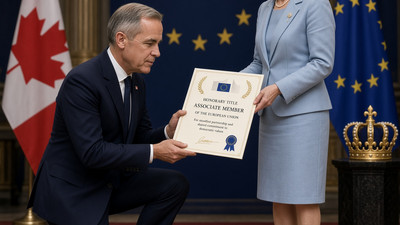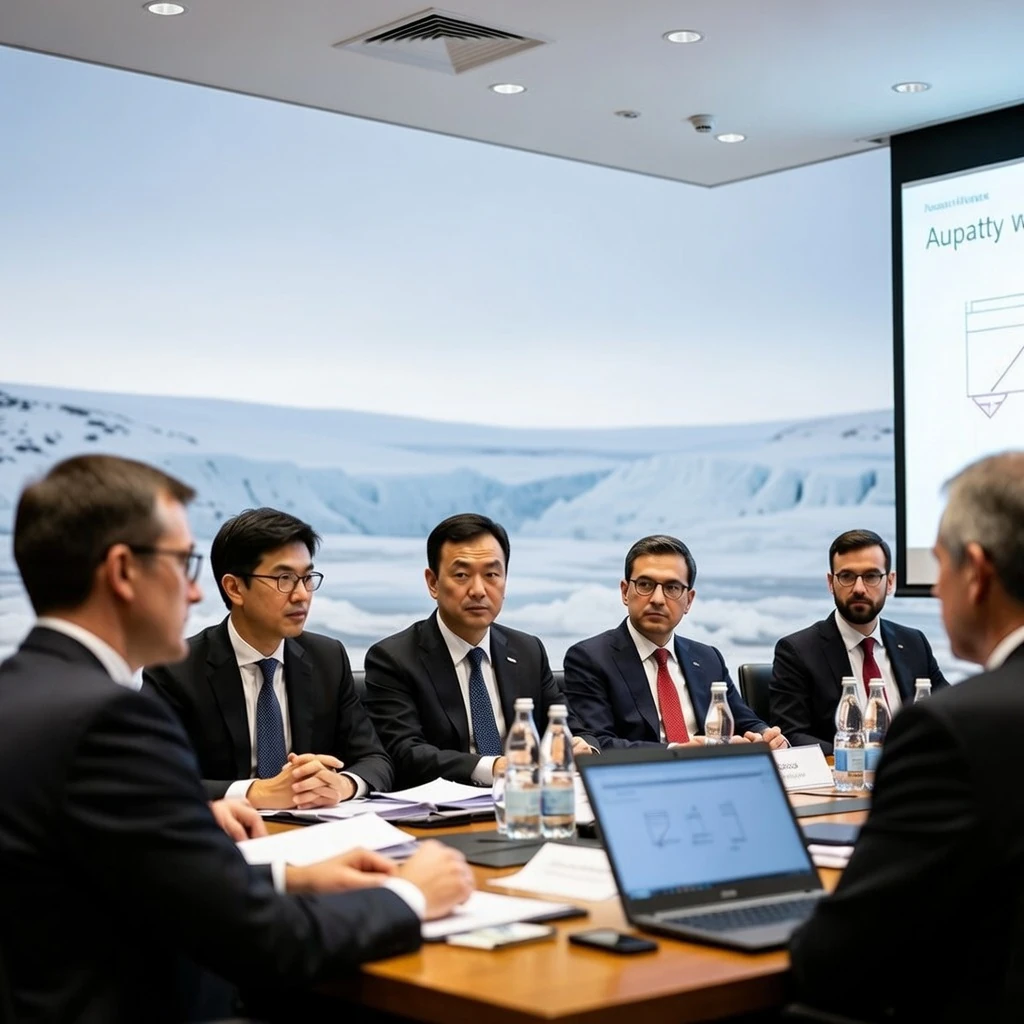
The transformation of the Davos gathering into an impromptu diplomatic summit underscores the fragility of international alliances under Trump’s second term. What was meant to be a platform for elite discussions on sustainable development and technological innovation has now become a high-stakes venue for de-escalation talks. Officials from Denmark, the European Union, and NATO allies are coordinating responses, emphasizing Greenland’s sovereignty and the improbability of any sale. Trump’s arrival on Wednesday is anticipated with a mix of apprehension and strategic preparation, as leaders like German Chancellor Olaf Scholz and French President Emmanuel Macron plan private meetings to address the issue head-on, aiming to prevent it from derailing broader cooperation on trade and security.
This spiraling crisis highlights broader themes in Trump’s presidency, including his penchant for bold, unconventional proposals that blur the lines between business deals and statecraft. While some supporters praise his vision for expanding U.S. influence, critics argue it risks alienating key partners and destabilizing global norms. As the world watches Davos unfold, the outcome of these emergency discussions could set the tone for U.S.-European relations in the coming years, potentially influencing everything from Arctic policy to climate accords. Whether Trump’s demands lead to concessions or outright rejection, they serve as a stark reminder of how one leader’s social media musings can upend the international order.
Additional ADNN Articles:
- Trump’s Genius Maneuver: Surgically Decouples Greenland from Denmark Voluntarily, Securing Arctic
- Trump’s Greenland Gambit Signals Aggressive US Decoupling from Europe
- Trump Eyes Greenland Annexation Seriously, Miller Won’t Rule Out Force on Europe
- France Deploys Troops to Greenland Amid Trump’s Arctic Claim Escalation