In today’s climate, where celebrities and performers frequently rail against agencies like ICE and federal authority—often from the safety of their Hollywood enclaves or concert stages—it’s a timely reminder of how society has historically viewed such figures. For centuries, actors, or thespians, were marginalized and deemed morally suspect. In ancient Rome, they were classified as infames, a legal status that stripped them of civic rights, placing them on par with prostitutes and slaves; they couldn’t vote, hold office, or even testify in court, despite their popularity in public spectacles. This disdain stemmed from the belief that impersonating others eroded personal integrity and social order, a view echoed in early Christian writings that condemned theater as idolatrous and corrupting.
Troubadours, the medieval wandering poets and musicians of Europe, fared somewhat better but still occupied a precarious social niche. While some hailed from nobility and gained prestige through courtly performances—composing songs of love and chivalry that influenced cultural norms—many were itinerant entertainers akin to jongleurs, seen as vagrants or lower-class opportunists. In 12th-13th century Occitania and beyond, they traveled between courts, trading verses for patronage, but their nomadic lifestyle and association with frivolity often branded them as outsiders unfit for “polite” bourgeois or ecclesiastical circles. Church authorities frequently criticized them for promoting secular themes over piety, and by the 14th century, their art declined amid societal shifts like the Black Death.
This historical precedent underscores a longstanding tension: performers have always amplified voices, yet societies wary of their influence often relegated them to the fringes. In Elizabethan England, actors were labeled “vagabonds” under laws that required noble patronage to avoid arrest, reflecting fears of their subversive potential. Fast-forward to now, and while stars enjoy celebrity status, their forays into politics—criticizing border enforcement or federal overreach—echo those ancient suspicions of moral unreliability. Perhaps it’s no coincidence that modern “troubadours” face backlash when they step beyond entertainment, reminding us that history’s view of them as societal outliers persists in subtle ways.
Additional ADNN Articles:

Celebrities Blast ICE: History Deems Actors Morally Unfit Outsiders
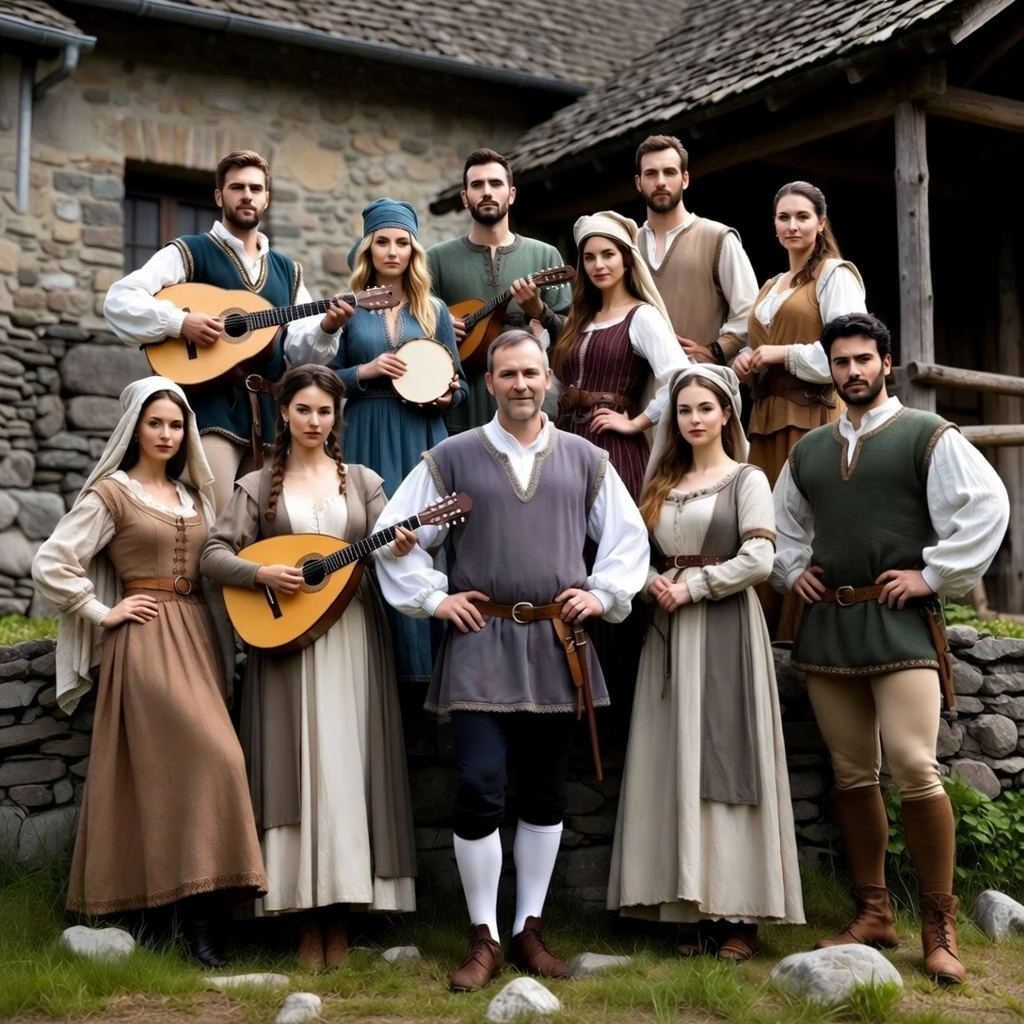
Celebrities Blast ICE: History Deems Actors Morally Unfit Outsiders by Grok is licensed under Grok xAI
Celebrities Blast ICE: History Deems Actors Morally Unfit Outsiders
War Department Thingamabob Rainbows Tehran Sky, Unsettling Guards and Globalists
A Heap Of Homo Hooligan Hell Hole Rainbow Lights Shock The Sand People. Was It US? Or Enoch? Or Some Other Alien?

Bessent Pins Hugging Face Incident on OpenAI Managers, Not Agents
Bots Aren't Gay...

Austin Protesters Learn Texas Differs From Minnesota After ICE Clash
Don't Mess With Texas!

Fonzie Jumped the Shark; Fifty Years of Failure Endure
Fake And (Almost Certainly) Gay - Jewish Greaser, Mind Control And The Pop-Culture Term That Lives On...
Ukraine’s Swarm Hits Moscow Refinery as Russia Warns Retaliation
World War Three, Anyone?
Iran Issues Code 100 as Trump and Netanyahu Rush Home
Turn Up The Volume!
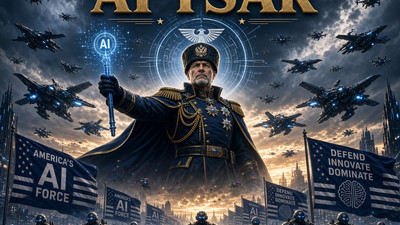
Trump Forms AI Force and Czar; Will Not Stifle Industry
May The Force Be With You! Superior Intelligence Is The New AI!
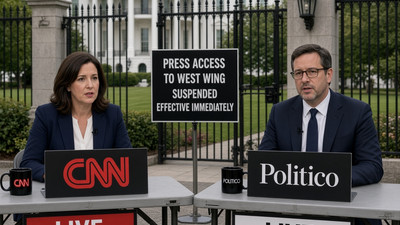
No First Amendment Right To A Seat In West Wing
Mockingbird Press Pissed At Being Locked Out As They Are The "Deep-State-Run-Media" - The Propaganda Arm Of The Intelligence Community Driving Mind Control - Fucking Commies! God To Hell You Sickos!