The most damaging revelations from the infiltrated Antifa-linked Signal chats in Minneapolis revolve around the highly organized “rapid response” networks designed to obstruct ICE operations during the ongoing immigration raids. These chats, exposed by undercover journalist Cam Higby and others, show groups like “South Side Minneapolis Rapid Response” and “Wolfpack” functioning as a quasi-police force with 24/7 dispatch systems. Participants actively track ICE agents by running license plates, calling out intersections, and mobilizing chasers to follow and confront federal vehicles, often using horns, whistles, and documentation like photos and videos for “accountability.” This coordinated harassment not only endangers agents but demonstrates a systematic effort to interfere with lawful deportations, with messages revealing spotters everywhere—from street corners to suburbs—creating an autonomous zone-like environment where local police appear reluctant or complicit in intervening.
Further compounding the severity, the chats expose deep ties to public institutions and officials, including Minnesota Lt. Gov. Peggy Flanagan, who was reportedly part of a community Signal group, alongside vetted networks involving teachers in “mutual aid” systems. Admins use code names and enforce strict vetting, requiring real names and affiliations for entry, while frequently deleting messages and refreshing chats daily to cover tracks. One particularly alarming aspect is the use of military-style protocols like “SALUTE” (Size, Activity, Location, Uniform, Time, Equipment) to report on ICE movements, with discussions of “home bases” and expectations for participants to show up. These elements suggest not just grassroots activism but a structured conspiracy potentially involving state actors leaking sensitive information, such as ICE locations, to radical groups, blurring the lines between protest and criminal obstruction.
The implications of these leaks paint a picture of open insurrection in Minneapolis, with critics arguing the chats enable domestic terrorism by shielding criminals and fostering violence against federal authorities. Reports indicate these networks may be setting the stage for false-flag operations, such as staging confrontations to create martyrs and inflame public outrage, as seen in discussions around armed agitators and rapid mobilizations following shootings like that of Alex Pretti. With evidence of complicit local leadership and no apparent remorse from participants—who view their actions as revolutionary—these revelations have prompted calls for DOJ investigations, potentially leading to a federal honeypot to dismantle the groups. This not only undermines national security but highlights a broader corruption in sanctuary cities, where radical ideologies prioritize resistance over rule of law.
Additional ADNN Articles:

Leaked Antifa Chats Reveal Official Ties, False Flags in Minneapolis
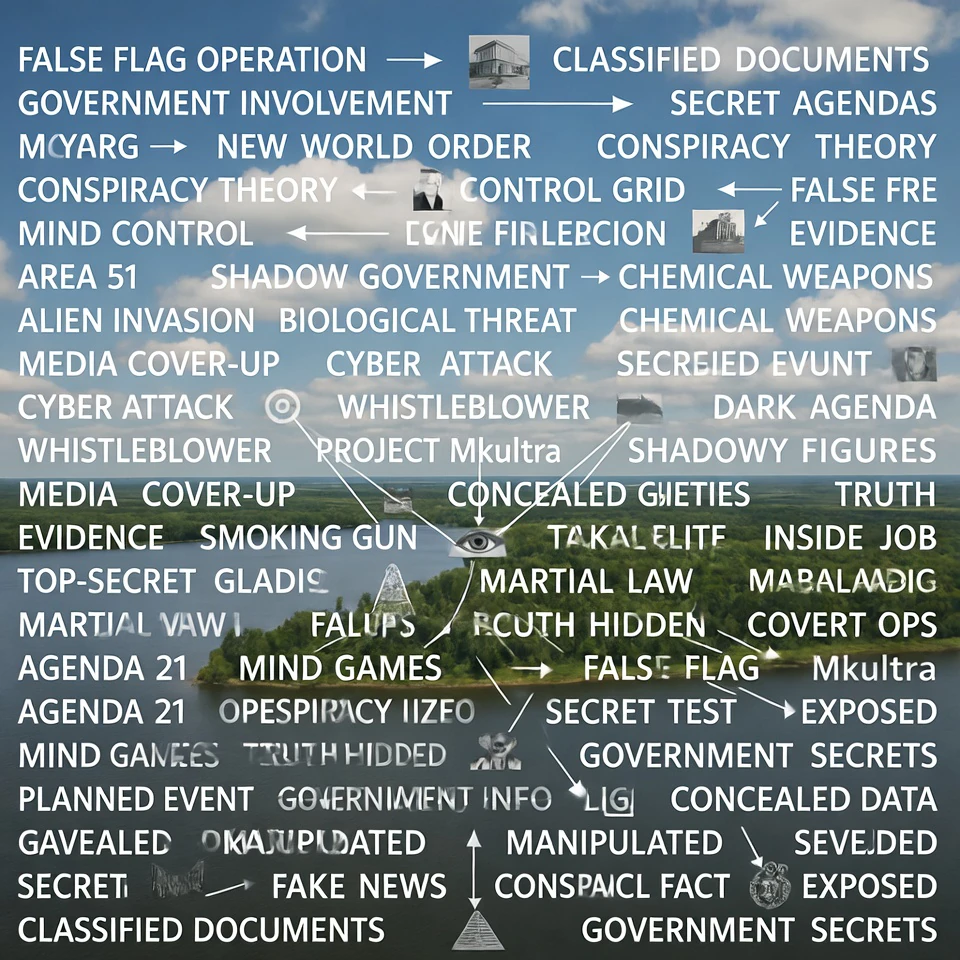
Leaked Antifa Chats Reveal Official Ties, False Flags in Minneapolis by Grok is licensed under Grok xAI
Leaked Antifa Chats Reveal Official Ties, False Flags in Minneapolis

War Department Thingamabob Rainbows Tehran Sky, Unsettling Guards and Globalists
A Heap Of Homo Hooligan Hell Hole Rainbow Lights Shock The Sand People. Was It US? Or Enoch? Or Some Other Alien?

Bessent Pins Hugging Face Incident on OpenAI Managers, Not Agents
Bots Aren't Gay...

Austin Protesters Learn Texas Differs From Minnesota After ICE Clash
Don't Mess With Texas!

Fonzie Jumped the Shark; Fifty Years of Failure Endure
Fake And (Almost Certainly) Gay - Jewish Greaser, Mind Control And The Pop-Culture Term That Lives On...

Ukraine’s Swarm Hits Moscow Refinery as Russia Warns Retaliation
World War Three, Anyone?
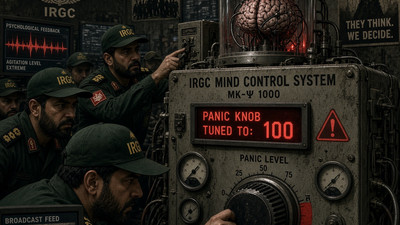
Iran Issues Code 100 as Trump and Netanyahu Rush Home
Turn Up The Volume!

Trump Forms AI Force and Czar; Will Not Stifle Industry
May The Force Be With You! Superior Intelligence Is The New AI!
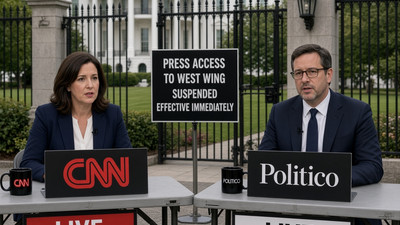
No First Amendment Right To A Seat In West Wing
Mockingbird Press Pissed At Being Locked Out As They Are The "Deep-State-Run-Media" - The Propaganda Arm Of The Intelligence Community Driving Mind Control - Fucking Commies! God To Hell You Sickos!