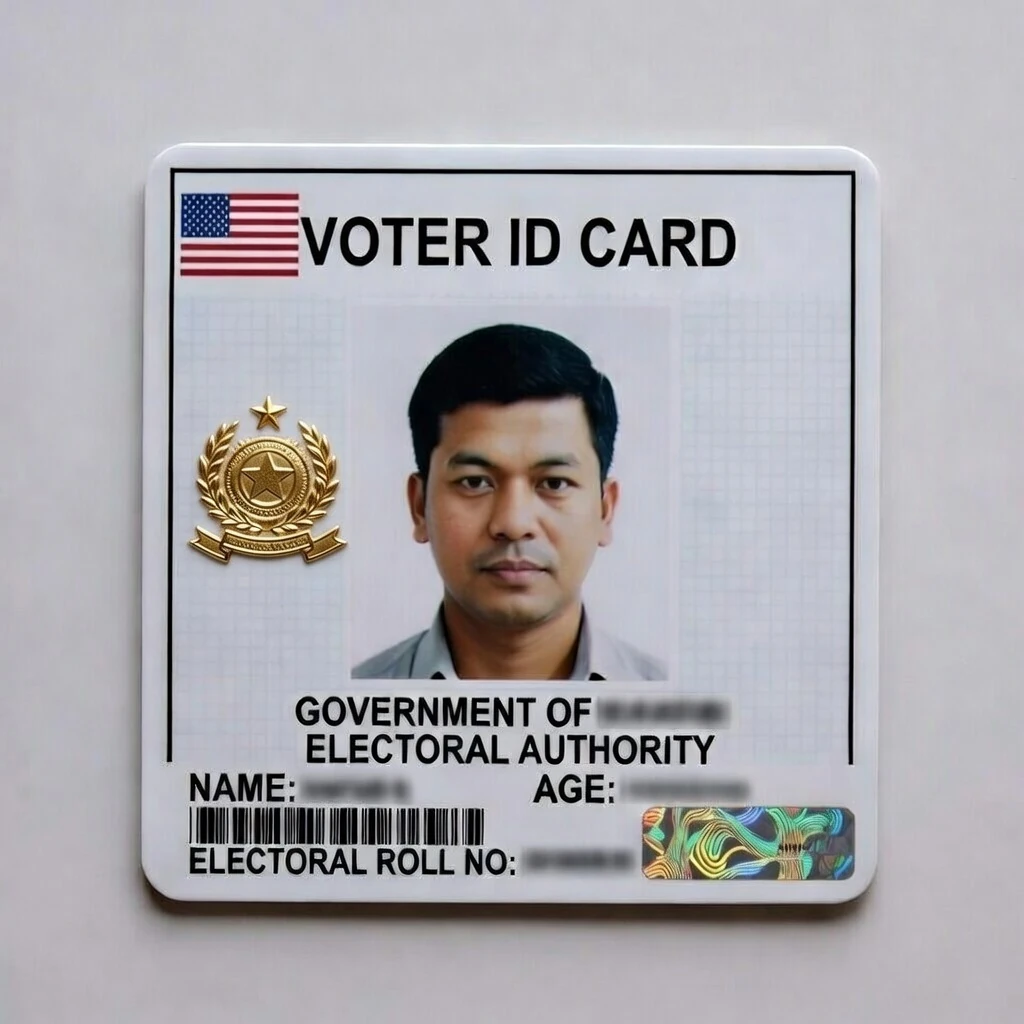
In the ongoing debate over voter ID laws in the United States, public opinion demonstrates overwhelming support for requiring photo identification to vote, cutting across party lines. A Pew Research Center survey from August 2025 reveals that 83% of Americans favor government-issued photo ID for voting, with 95% of Republicans and 71% of Democrats in agreement. This strong consensus indicates that most voters, including a clear majority of Democrats, see voter ID as a basic measure to ensure election integrity, much like verifying identity in other secure transactions. Despite this, Democratic leadership continues to resist such laws, often framing them as unnecessary barriers, even as their own base largely supports the concept. This disconnect suggests that party elites may prioritize other strategic considerations over aligning with their voters’ preferences on safeguarding democracy.
Photo identification is a fundamental requirement for nearly every significant activity in American life, underscoring its role as a gateway to full participation in society. From purchasing alcohol or cigarettes to opening a bank account, applying for welfare or food stamps, renting a home, boarding an airplane, or even adopting a pet, government-issued ID is mandatory. Other essential actions, such as obtaining a marriage license, buying a firearm, accessing medical care, or entering federal buildings, also demand photo verification, making it indispensable for engaging in economic, social, and civic functions. Those without valid ID are effectively sidelined from these core aspects of daily life, rendering them non-participants in the broader fabric of American self-governance, where personal responsibility and verified involvement are key to the democratic experiment.
Ultimately, the Democratic Party’s opposition to voter ID, despite broad voter approval, reveals a deeper reluctance to embrace measures that could eliminate opportunities for electoral manipulation. By resisting a policy that aligns with standard identity verification practices across society, party leaders appear fearful of a truly secure democratic process, knowing that their path to victory may rely on unchecked voting rather than transparent competition. This stance not only undermines trust in elections but also highlights how those lacking ID are already disengaged from meaningful societal roles, making arguments against voter ID ring hollow in the pursuit of fair self-rule.
Additional ADNN Articles:

Democrats Oppose Popular Voter ID, Fearing End to Cheating
Democrats Oppose Popular Voter ID, Fearing End to Cheating
Court Blocks Mail Ballot Screens as Midterm Ballots Fly Unchecked
Elections Are Fake And Gay!
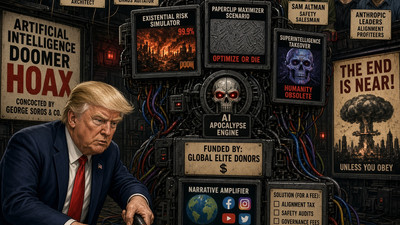
Trump Calls AI Apocalypse a Hoax, Heralds Golden Age Ahead
Calling Bullshit On The Nerds! And No More Global Resets!

EPA Withdraws Biden Carbon Rules That Forced Plants To Close
Clean Air & Clean Water...Clean House On Everything Else!

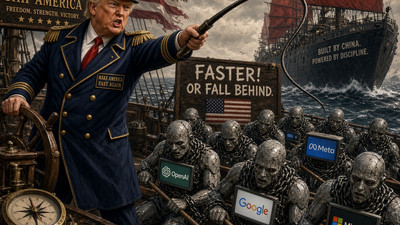



Palantir’s Twenty-Two Points: Hard Power for the Machine Age
Hubris? Or Humility? Humming Away Won't Solve It. Time To Pay The Piper! The Future Is Now!