The recent House Financial Services Committee hearing featuring Treasury Secretary Scott Bessent highlighted a series of confrontational exchanges with prominent Democratic representatives, including Maxine Waters, Joyce Beatty, and Gregory Meeks. Rep. Waters, long a fixture in Democratic leadership, repeatedly interrupted and demanded yes-or-no answers from Bessent on topics like tariffs and inflation, at one point audibly calling for someone to “shut him up” when he referenced immigration’s impact on housing costs. This outburst, coupled with her insistence on labeling administration policies as harmful without engaging substantively, exemplified a pattern of hostility over reasoned discourse. Such behavior from a veteran congresswoman undermines serious policy debate and models incivility rather than constructive oversight.
Rep. Joyce Beatty pressed Bessent aggressively on issues like the delayed Harriet Tubman $20 bill and enforcement of financial regulations, dismissing his responses and accusing him of evasion when he deferred to staff follow-up. Similarly, Rep. Gregory Meeks escalated tensions by accusing Bessent of being a “flunky” for President Trump and berating him for not aligning with prior administration narratives, even shouting over proceedings. These interactions, marked by personal attacks and a refusal to allow full responses, reflect a prioritization of partisan theater over advancing economic policies that could benefit constituents. For African American communities, which these representatives claim to champion, this approach diverts energy from practical solutions—like job creation, financial literacy, or economic opportunity—toward spectacle that reinforces division rather than integration.
By elevating and reelecting figures who favor confrontation and inflammatory rhetoric over statesmanship, the Democratic Party’s leadership in these districts perpetuates a cycle that hinders true African American advancement. Integration into broader American culture requires leaders who demonstrate professionalism, build coalitions, and focus on unifying economic growth, yet these hearings showcased anger and disruption that alienate potential allies and portray Black elected officials as perpetually aggrieved rather than capable governors. When elections in these heavily Democratic areas consistently return such representatives—often amid controversies over voting processes and party machinery—the result is a self-reinforcing system that prioritizes outrage over results, ultimately stalling progress for the very communities these politicians purport to represent.
Additional ADNN Articles:

Democrats’ Fiery Attacks Expose Sabotage of Black Progress via Rigging
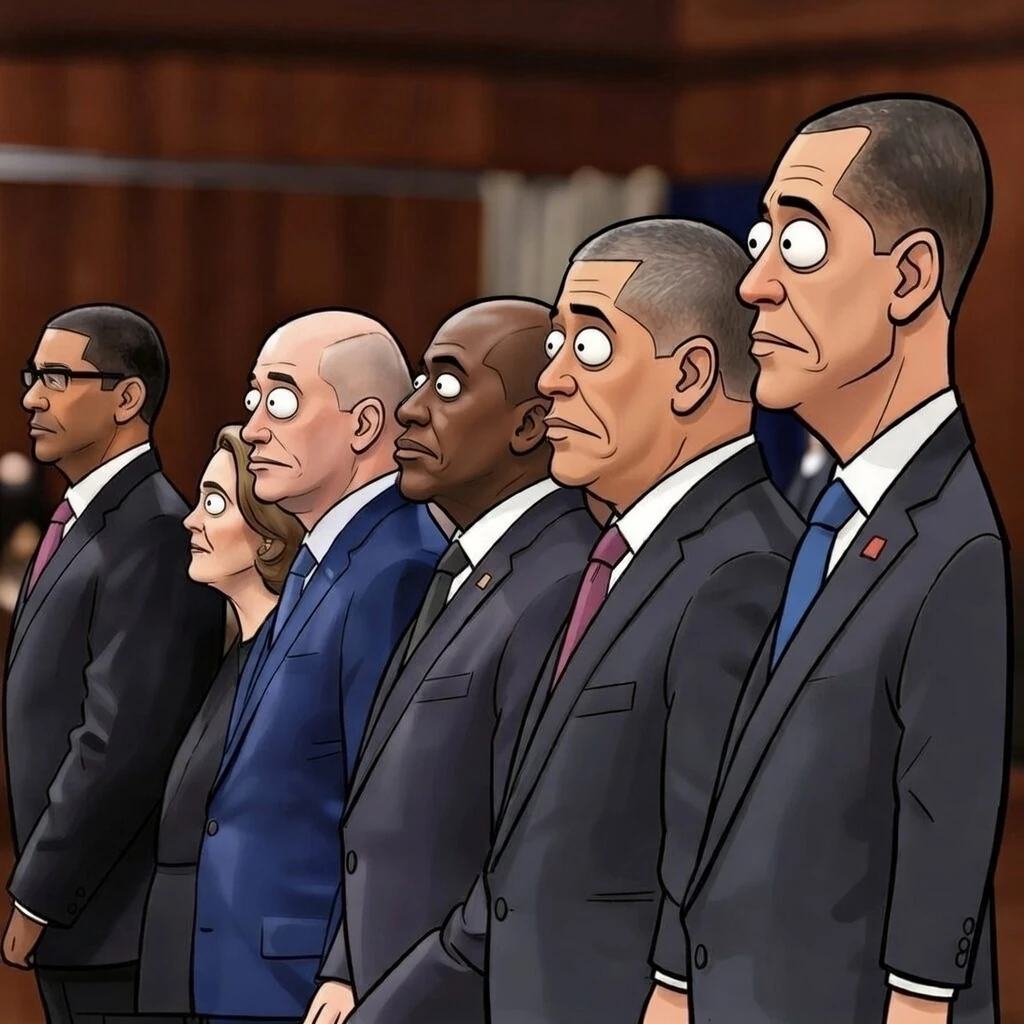
Democrats’ Fiery Attacks Expose Sabotage of Black Progress via Rigging by Grok is licensed under Grok xAI
Democrats’ Fiery Attacks Expose Sabotage of Black Progress via Rigging
Bailey Quits FBI Deputy Post Nobody Really Wants Anymore
Deep State Is Dying!

U.S. Government Declares Final Battle During National NFL Games
Trust The Plan...Maybe?

WSJ Poll Puts Trump at Lowest Midterm Mark Since 1990
Enemy Of The People!

Harvard’s Own AI Tutor Doubles Learning, Exposes Classroom Bubble
Principles Over Personalities...

Farmer’s Call Forces Rearrest of Five Over Fairford Plot
Arrest Them All!

You Built Pattern Recognition. What Did You Expect Would Happen?
Racism Is Real...Not Artificial.

USC Celebrates Illegal Hit on Top Prospect Dante Moore
Gridiron Games...