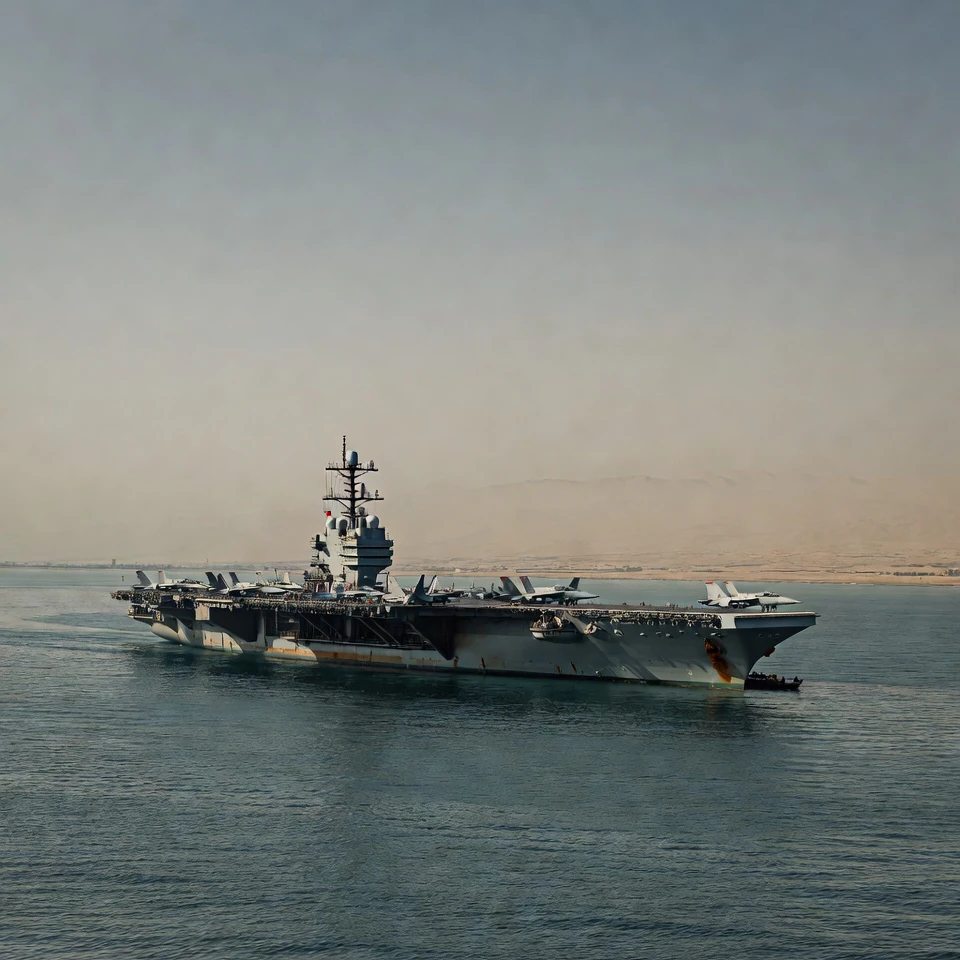
In a striking display of American military might, the USS Gerald R. Ford carrier strike group was redirected to the Persian Gulf this week, bolstering U.S. pressure on Iran amid escalating tensions over its nuclear program. Originally deployed to the Caribbean since June 2025 for operations related to Venezuela, the Ford— the world’s most advanced aircraft carrier—and its escort ships are now set to join the USS Abraham Lincoln strike group in the region, extending their deployment until at least late April. This move, ordered by President Trump, serves as a clear show of force to Tehran, with officials emphasizing the need for rapid negotiations or facing “something very tough.” The redeployment underscores Washington’s willingness to maintain a dual-carrier presence in volatile waters, signaling that military options remain firmly on the table.
Simultaneously, a bombshell revelation emerged from long-sealed Watergate-era documents, shedding new light on Richard Nixon’s downfall. Seven pages of Nixon’s 1975 grand jury testimony, hidden for decades and released just days ago, detail a covert espionage operation by the Joint Chiefs of Staff against the White House. Nixon described how a military spy ring, led by Admiral Thomas Moorer and involving Yeoman Charles Radford, stole thousands of top-secret National Security Council documents over more than a year, subverting his administration from within. He portrayed this as a treasonous “deep state” assault that he dared not expose publicly, fearing it would undermine national security and his presidency—ultimately contributing to the scandals that forced his resignation. Historians are now reevaluating Watergate not just as a political burglary, but as evidence of entrenched bureaucratic and military insubordination against an elected leader.
The irony of these concurrent events is profound: as the carrier named after Gerald R. Ford—who ascended to the presidency following Nixon’s ouster—sails toward Iran to project unchecked executive power abroad, fresh proof surfaces that Nixon’s removal was aided by a shadowy deep state conspiracy within the U.S. government itself. Ford’s legacy, tied to the pardon that shielded Nixon from further prosecution, now symbolically enforces foreign policy aggression in the very week that Nixon’s testimony exposes the internal subversion that paved Ford’s path to power. This juxtaposition highlights how America’s imperial postures persist, even as historical truths reveal the fragility of democratic leadership against unelected forces, raising uncomfortable questions about who truly wields control in Washington.
Additional ADNN Articles:

Ford Carrier to Iran: Nixon Deep State Coup Irony Exposed
Ford Carrier to Iran: Nixon Deep State Coup Irony Exposed

Carney Scuttles Deal; Canada Tariffs America; Trump Redraws Continent
51st State Is Looking Pretty Good!
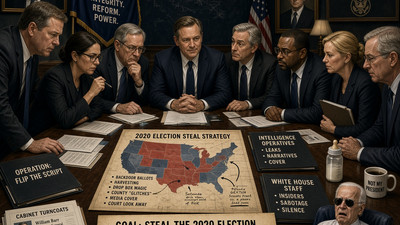
Taylor’s Insiders Opposed Trump; Eighty-One Million Votes Still Unexplained
Elections Are Fake And Gay!
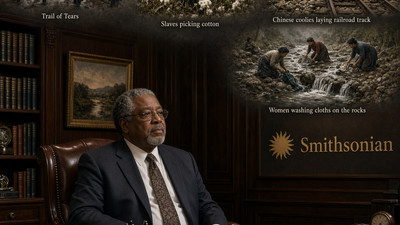
America Heals as Woke Smithsonian Chief Lonnie Bunch Steps Down
But Black Lives Matter...Maybe History, Real History Matters More Than Anything!
Witkoff, Kushner Hold Encouraging Kyiv Talks, No Peace Breakthrough
Jews For Peace! Thanks to יהוה,
Study Finds Citizens Powerless as Elites and Agencies Control Elections
Elections Are Fake And Gay!

Two Die at Burning Man, Called Shape Store for Whites
Faggotry Never Pays...This Thing Is So Stupid!