Iran’s Supreme Leader Ayatollah Ali Khamenei oversees a theocratic system established after the 1979 Islamic Revolution, where religious authority intertwines with state governance, often described as a dictatorship due to the supreme leader’s overriding power over elected institutions. This structure has faced ongoing criticism for limiting political freedoms and concentrating control in unelected bodies like the Guardian Council and the Assembly of Experts. Protests erupted on December 28, 2025, triggered by the rial’s collapse and soaring inflation, initially focusing on economic grievances before expanding into nationwide calls for the end of clerical rule, with slogans demanding regime change and an end to the Islamic Republic’s governance. These demonstrations, spreading to over 180 cities across all 31 provinces, represent one of the most significant challenges to the regime since its founding, fueled by widespread discontent with economic mismanagement, corruption, and political repression.
Amid the unrest, Khamenei has publicly blamed U.S. President Donald Trump for orchestrating the protests, calling him a “criminal” responsible for the resulting casualties, damages, and slander against Iran, while accusing demonstrators of being foreign agents. Trump, in turn, has expressed support for the protesters and warned against further executions, escalating tensions between the two nations amid the U.S. administration’s aggressive stance toward Iran. Khamenei’s deflection to external interference follows a pattern of attributing domestic dissent to foreign powers, particularly the U.S. and Israel, rather than addressing underlying issues like inflation exceeding 50% and resource shortages.
Civil rights organizations, including Amnesty International, Human Rights Watch, and the Human Rights Activists News Agency (HRANA), have documented a severe crackdown by security forces, with death tolls estimated between 2,000 and over 12,000 protesters killed, often through indiscriminate use of live ammunition amid an internet blackout to conceal the violence. These reports highlight the regime’s reliance on the Islamic Revolutionary Guard Corps (IRGC) for enforcement, suggesting a shift toward military dominance in maintaining control, as the IRGC’s influence in politics, economy, and security eclipses traditional clerical authority under Khamenei. This dynamic underscores how the military apparatus enforces the regime’s hold over the country, amid calls for accountability and an end to impunity for such atrocities.
Additional ADNN Articles:

Khamenei Blames Trump for Iran Protests, Deadly Crackdown by IRGC Ensues
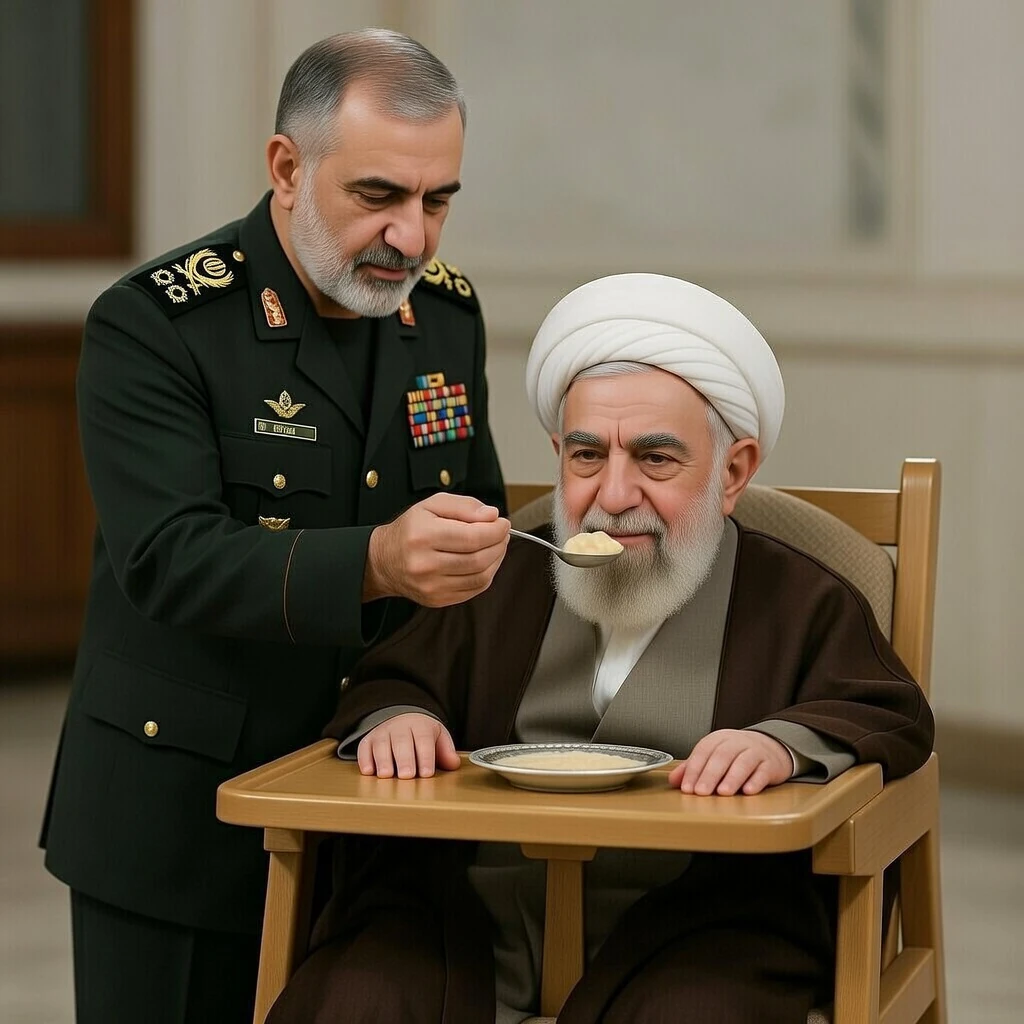
Khamenei Blames Trump for Iran Protests, Deadly Crackdown by IRGC Ensues by Grok is licensed under Grok xAI
Khamenei Blames Trump for Iran Protests, Deadly Crackdown by IRGC Ensues
Carney Courts Phantom EU Rank and Gifts MAGA Canada's Split
How To Lose A Territory...101 - The Revolutionary War Continues.
Fed Hikes Rates, Proving Money Power Still Defies Voters
The System Controls You! Dead Or Alive...
The United States Will Never Be an Effective Altruist Country
Real And Straight. Always. Try Your Weak Communism Elsewhere. Or Better Yet...Go To Hell!
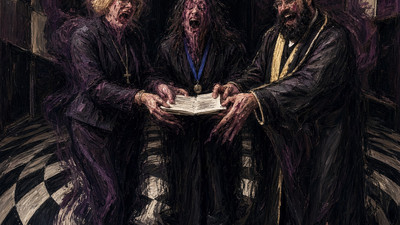
First Woman Primate Honors Bin Laden’s Champion; Wife Erased Beside Him.
Clown World! - Dark Clowns!
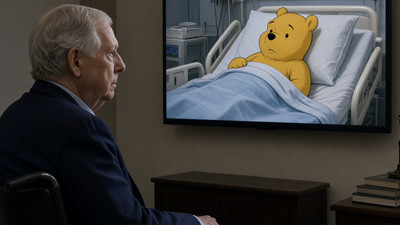
Xi Hospital Rumor Exposes a China Unable to Succeed Him
Chicom Is Awhirl With Anticipation...Who Poisoned XI? Imagine Elaine And Mitch Together?? Sickening...
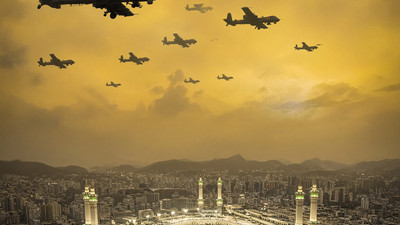
Saudi Warns Mecca a Red Line After Houthi Drone Intercepted
Turn The Place To Glass Already!!!
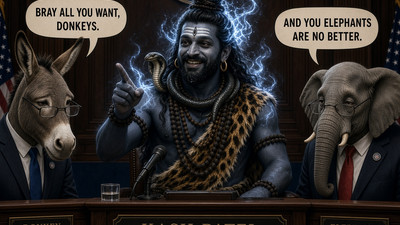
Patel Holds Senators for Hours, Declining Their Ritual Script
Sacred Cows?? I'll Show You The Real Shit! Says The Pajeet Patel! Truth Bombs Left And Right!
Anthropic Wants Woke Altruistic Communists Regulating Every Other AI Firm
Physiognomy, Politics And Psychosis + Liberal, Leftist And Losers = Bad For Humanity, Thus Slated For Termination By The AI. You'reTerminated!