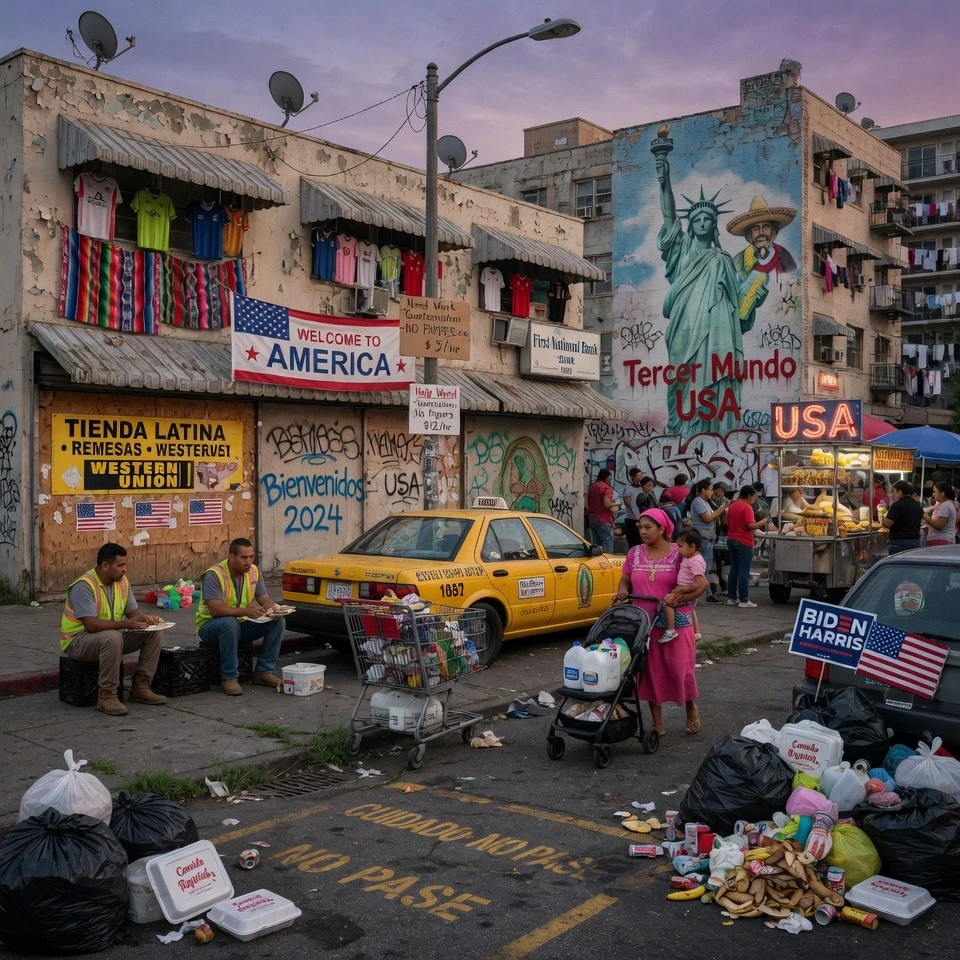
If you import the Third World, you become the Third World. Mass immigration from countries plagued by poverty, corruption, low education levels, and weak institutions doesn’t magically transform newcomers into model citizens of a high-trust, high-productivity society. Instead, it imports the very problems those societies suffer from: higher crime rates, strained welfare systems, declining social cohesion, and parallel communities that resist assimilation. Data from Europe shows this pattern clearly—neighborhoods in Sweden, France, and Germany that absorbed large numbers of migrants from the Middle East, North Africa, and sub-Saharan Africa have seen spikes in violent crime, no-go zones, and demands for Sharia law, turning once-safe areas into echoes of the dysfunction left behind. America’s own experience with unchecked illegal immigration has led to overwhelmed hospitals, schools filled with non-English speakers, and fentanyl deaths fueled by cartel networks operating across open borders. Culture and human capital aren’t infinitely malleable; when inflows overwhelm the host society’s capacity to integrate, the host begins to resemble the source.
The mechanisms are straightforward and backed by economics and sociology. Human capital—average IQ, educational attainment, work ethic, and respect for rule of law—varies significantly across nations, and large-scale migration transfers that human capital directly. Countries with low GDP per capita, high fertility rates among the uneducated, and histories of tribalism or authoritarianism tend to produce migrants who, on net, consume more in public services than they contribute in taxes over lifetimes, according to studies from think tanks like the Center for Immigration Studies and analyses of European welfare states. Chain migration and birthright citizenship amplify this, creating exponential growth in dependent populations. Social trust erodes as diversity without assimilation fragments society into competing groups, a phenomenon observed in Robert Putnam’s research on how ethnic heterogeneity reduces civic engagement. What starts as humanitarian gestures or cheap labor ends in balkanized cities, overburdened infrastructure, and political instability as native populations react to the visible decline in quality of life.
President Trump is not going to let that happen to America. His America First agenda prioritizes secure borders, merit-based legal immigration, and the deportation of criminal illegal aliens to preserve the unique advantages that made the United States the world’s most successful large-scale society. By reinstating policies like Remain in Mexico, ending catch-and-release, and targeting sanctuary cities, Trump aims to restore enforcement that deters economic migrants and asylum abusers while welcoming high-skilled contributors who enhance rather than dilute American prosperity. This isn’t about isolationism but realism: protecting the rule of law, fiscal solvency, and cultural continuity that allow innovation, mobility, and opportunity to flourish. Trump’s approach recognizes that sovereignty means choosing who enters, not surrendering to globalist pressures or demographic replacement theories turned reality. With strong leadership enforcing immigration laws as written, America can remain a beacon for those who earn their place, rather than a cautionary tale of a great nation that imported its own decline.
Additional ADNN Articles:

Importing the Third World Turns America into the Third World
Importing the Third World Turns America into the Third World
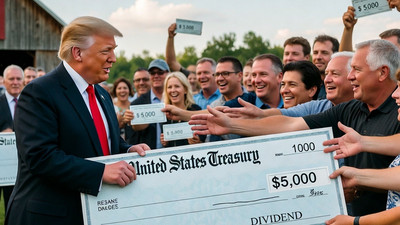
Trump Opens Nationwide October Barnstorm After Dallas Five-Thousand Dividend Pledge
Beating The Dems At Their Own Game...Its Funny. Because It Is All So Obvious!.
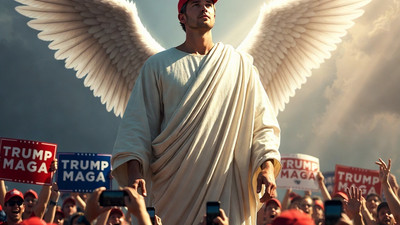
Kirk’s Murder Marks Civilizational War; Enemies Sow Discord Among Mourners
The Truth Shall Set You Free! Whoever You Are...
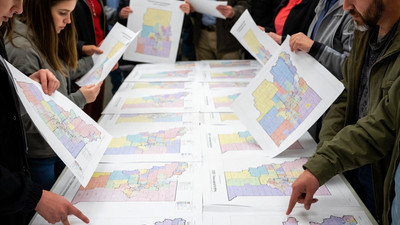
Supreme Court Halts Federal Map, Missouri Returns to 2022 Lines
Elections Are Fake And Gay! Look At This...Classic.
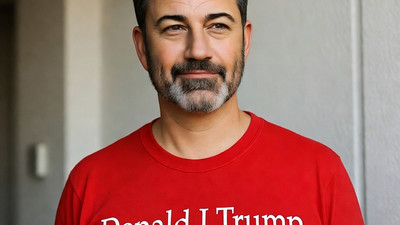
Kimmel Learns Broadcast Law Forbids Late Night as DNC Arm
Equal Time. So Ironic...Fags...
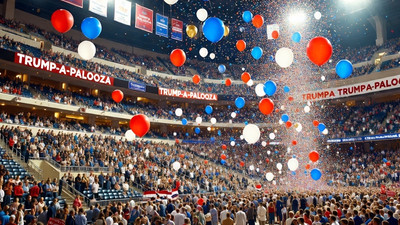
Republicans Stake Midterms On Dallas Spectacle Built Around Trump
Elections Are Fake And Gay. Period. We Shall See What The Powers That Be Have In Store? It Doesn't Feel Very Good From Where We Sit. But We Remain Ever Hopeful.

SEC Sues LSU Over NFL Recruits as Amateur Myth Dies
Fake And Gay (mostly)...Don't Hate The Playa, Hate The Game!
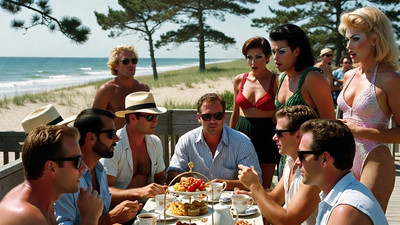
Dolls Descend on Fire Island Pines Recasting Gay Culture’s Enclave
Freaks And Faggots! Burn It Down...Live Up The Name...Fire Island!