The U.S. House of Representatives passed a war powers resolution on Wednesday, June 3, 2026, by a narrow 215-208 vote. The measure directs President Donald Trump to end U.S. involvement in hostilities with Iran, a conflict now in its third month that began with Operation Epic Fury. Four Republicans—Reps. Thomas Massie (Ky.), Brian Fitzpatrick (Pa.), Tom Barrett (Mich.), and Warren Davidson (Ohio)—joined Democrats in support.
This largely symbolic rebuke highlights ongoing tensions over congressional authority versus presidential power as commander-in-chief. Proponents argue it reaffirms the War Powers Resolution of 1973, noting that the 60-day clock for unauthorized hostilities has long expired. Critics, however, view it as ineffective theater: the resolution is non-binding in any immediate sense, faces long odds in the Senate, and would almost certainly encounter a veto. It does not compel an instant withdrawal but serves as a political statement amid public frustration with rising energy prices and the war's costs.
The vote has drawn sharp reactions, with some framing the dissenting Republicans' actions as principled constitutionalism and others as disruptive grandstanding that weakens negotiating leverage and America's position. Whether it erodes institutional legitimacy or represents healthy checks and balances remains hotly debated. In practice, the president retains significant latitude to continue operations under self-defense or other authorities, making the resolution more expressive than operational. The episode underscores persistent divisions in Washington over war-making power in an era of limited conflicts.
Additional ADNN Articles:
Congress Ignores Unconstitutional War Powers Deadline Amid Iran Ceasefire
Standoff Over Weak War Powers Resolution Highlights Ideological Political Theater
AIPAC Brags Buying Massie Election as Trump Ignores Fraud Claims
Massie Got 2020’d? Record Kentucky Turnout Sparks Massive Fraud Doubts

House Passes Symbolic Rebuke Directing Trump to End Iran Conflict
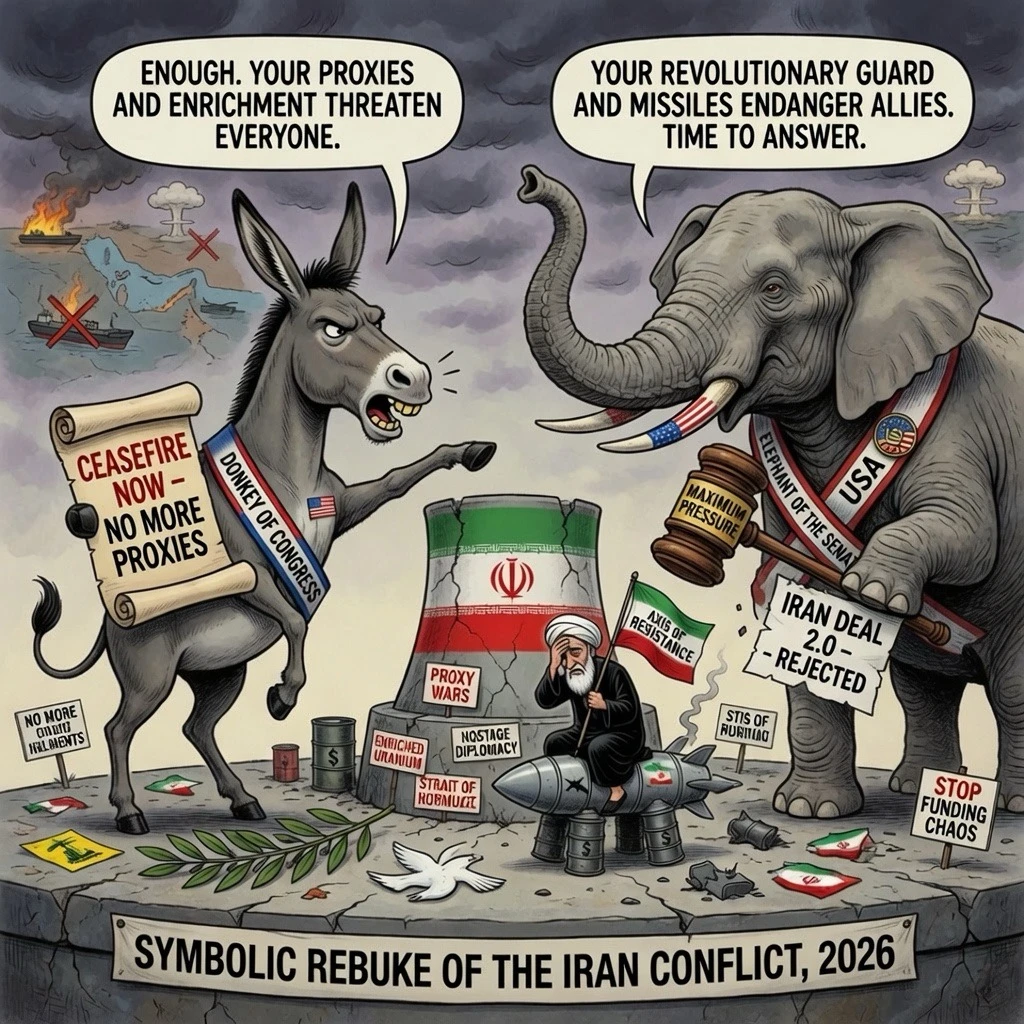
House Passes Symbolic Rebuke Directing Trump To End Iran Conflict by Grok is licensed under Grok xAI
House Passes Symbolic Rebuke Directing Trump to End Iran Conflict

Xi Hospital Rumor Exposes a China Unable to Succeed Him
Chicom Is Awhirl With Anticipation...Who Poisoned XI? Imagine Elaine And Mitch Together?? Sickening...

Saudi Warns Mecca a Red Line After Houthi Drone Intercepted
Turn The Place To Glass Already!!!
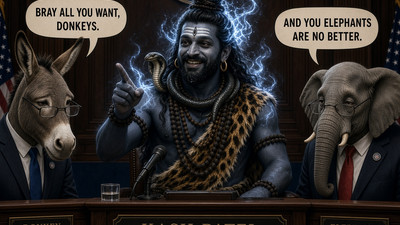
Patel Holds Senators for Hours, Declining Their Ritual Script
Sacred Cows?? I'll Show You The Real Shit! Says The Pajeet Patel! Truth Bombs Left And Right!

Anthropic Wants Woke Altruistic Communists Regulating Every Other AI Firm
Physiognomy, Politics And Psychosis + Liberal, Leftist And Losers = Bad For Humanity, Thus Slated For Termination By The AI. You'reTerminated!
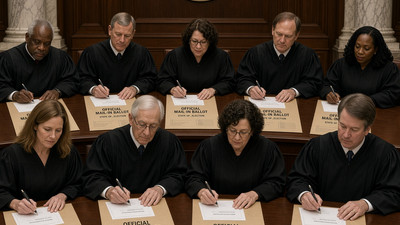
Court Blocks Mail Ballot Screens as Midterm Ballots Fly Unchecked
Elections Are Fake And Gay!

Trump Calls AI Apocalypse a Hoax, Heralds Golden Age Ahead
Calling Bullshit On The Nerds! And No More Global Resets!

EPA Withdraws Biden Carbon Rules That Forced Plants To Close
Clean Air & Clean Water...Clean House On Everything Else!