
Supporters of Rep. Thomas Massie, who lost his Republican primary in Kentucky’s 4th District on May 19-20, 2026, to Trump-endorsed challenger Ed Gallrein, have loudly claimed the election was rigged through mail-in ballots.160 Reports circulated that Gallrein received approximately 10,854 mail-in votes, surpassing the roughly 10,280-vote margin of victory in a race that became the most expensive U.S. House primary in history with over $32 million in spending. Critics point to this late surge as suspicious, echoing broader skepticism about mail-in voting processes. Massie himself had framed the contest as a battle against outside influence, and his backers argue the heavy influx of absentee ballots tipped the scales unfairly in favor of the well-funded opponent.
AIPAC and affiliated pro-Israel groups openly celebrated their role in the outcome, pouring millions into ads and efforts to defeat Massie, whom they labeled one of the most anti-Israel Republicans in Congress.1725 The group congratulated Gallrein on victory and highlighted the win as part of supporting strong U.S.-Israel allies, with spending from AIPAC’s super PAC, the Republican Jewish Coalition, and other donors exceeding $15 million. Some interpreted these statements as bragging about “buying” the election through massive financial influence, reinforcing Massie’s narrative that the race tested whether foreign-aligned lobbies could purchase congressional seats. AIPAC expressed confidence that such interventions would face little pushback from the American public.
President Trump’s administration and allies, who actively backed Gallrein against the longtime Trump critic Massie, show no signs of entertaining election fraud complaints from the loser’s camp.44 Meanwhile, the ADL condemned Massie’s remarks suggesting his opponent Ed Gallrein had ties to Tel Aviv, calling them “deeply antisemitic” and warning they could incite violence amid heightened sensitivities around Israel-related discourse.34 Massie’s concession came after a contentious campaign marked by record spending, accusations of foreign influence, and deep divisions within the Republican Party over foreign policy and lobbying power. The episode highlights ongoing tensions in GOP primaries involving money, endorsements, and accusations of undue external sway.
Additional ADNN Articles:

AIPAC Brags Buying Massie Election as Trump Ignores Fraud Claims
AIPAC Brags Buying Massie Election as Trump Ignores Fraud Claims

Xi Hospital Rumor Exposes a China Unable to Succeed Him
Chicom Is Awhirl With Anticipation...Who Poisoned XI? Imagine Elaine And Mitch Together?? Sickening...

Saudi Warns Mecca a Red Line After Houthi Drone Intercepted
Turn The Place To Glass Already!!!
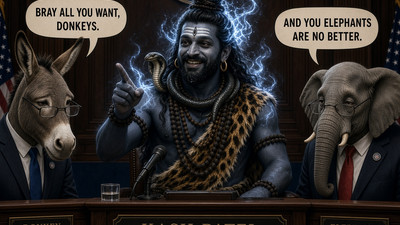
Patel Holds Senators for Hours, Declining Their Ritual Script
Sacred Cows?? I'll Show You The Real Shit! Says The Pajeet Patel! Truth Bombs Left And Right!

Anthropic Wants Woke Altruistic Communists Regulating Every Other AI Firm
Physiognomy, Politics And Psychosis + Liberal, Leftist And Losers = Bad For Humanity, Thus Slated For Termination By The AI. You'reTerminated!
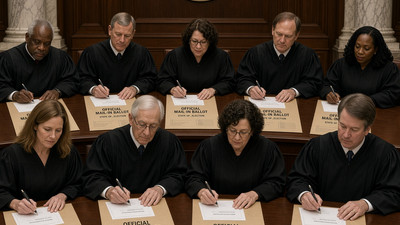
Court Blocks Mail Ballot Screens as Midterm Ballots Fly Unchecked
Elections Are Fake And Gay!

Trump Calls AI Apocalypse a Hoax, Heralds Golden Age Ahead
Calling Bullshit On The Nerds! And No More Global Resets!

EPA Withdraws Biden Carbon Rules That Forced Plants To Close
Clean Air & Clean Water...Clean House On Everything Else!