The U.S. Justice Department has indicted former Cuban President Raúl Castro. On May 20, 2026, the DOJ unsealed a superseding indictment charging the 94-year-old Raúl Castro and several co-defendants with serious crimes tied to the February 24, 1996, shootdown of two unarmed civilian aircraft operated by the Miami-based humanitarian group Brothers to the Rescue. The planes were carrying supplies and conducting search-and-rescue missions for Cuban exiles fleeing the island; Cuban MiG fighters downed them, killing four people, including three U.S. citizens and one U.S. resident. The charges include conspiracy to kill U.S. nationals, destruction of aircraft, and four counts of murder. At the time of the incident, Raúl Castro served as Cuba’s Minister of Defense and allegedly authorized or ordered the use of deadly force.
This action represents a significant escalation in U.S. pressure on the long-standing Cuban regime. The indictment, returned by a grand jury in Miami in April 2026 and unsealed during a public event at Freedom Tower, underscores decades of unresolved grievances over the deaths and highlights the Castro brothers’ central role in the 1996 attack. Supporters of the move view it as belated justice for the victims and a symbolic rejection of decades of impunity for the Cuban leadership. The timing aligns with broader efforts by the current U.S. administration to increase pressure on Havana amid ongoing economic hardships, blackouts, and emigration waves from the island. Cuban officials have dismissed the charges as a politically motivated maneuver lacking legal basis.
Reactions among some ideological supporters of the Cuban revolution in the United States have been marked by dismay. Many American leftists and Marxists who have long romanticized or defended the Castro regime since the 1959 revolution now face the reality of formal U.S. criminal charges against one of its defining figures. While not all progressives are in outright shock—some have focused on criticizing U.S. foreign policy—the indictment has prompted soul-searching and defensive statements from circles that portrayed Cuba as a model of socialist resilience against imperialism. The Cuban government itself continues to project defiance, but the combination of internal crises and this high-profile legal action has fueled speculation about the regime’s long-term stability, even as full collapse remains far from certain given the entrenched security apparatus and historical endurance.
This development revives old debates about accountability for human rights abuses under the Castro era while testing the limits of international justice against sitting or former authoritarian leaders.
Additional ADNN Articles:

DOJ Indicts Raul Castro Shocking Marxists as Cuban Regime Crumbles
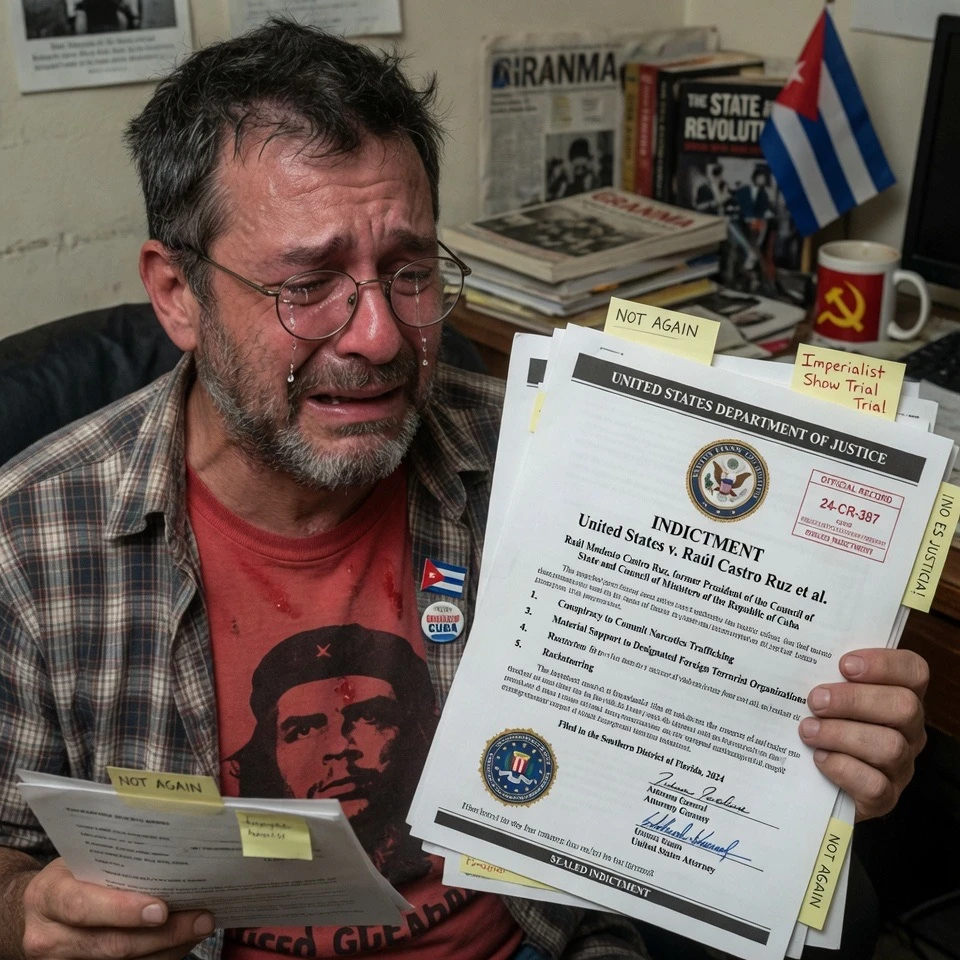
Doj Indicts Raul Castro Shocking Marxists As Cuban Regime Crumbles by Grok is licensed under Grok xAI
DOJ Indicts Raul Castro Shocking Marxists as Cuban Regime Crumbles

Carney Scuttles Deal; Canada Tariffs America; Trump Redraws Continent
51st State Is Looking Pretty Good!
Taylor’s Insiders Opposed Trump; Eighty-One Million Votes Still Unexplained
Elections Are Fake And Gay!
America Heals as Woke Smithsonian Chief Lonnie Bunch Steps Down
But Black Lives Matter...Maybe History, Real History Matters More Than Anything!


Witkoff, Kushner Hold Encouraging Kyiv Talks, No Peace Breakthrough
Jews For Peace! Thanks to יהוה,

Study Finds Citizens Powerless as Elites and Agencies Control Elections
Elections Are Fake And Gay!

Two Die at Burning Man, Called Shape Store for Whites
Faggotry Never Pays...This Thing Is So Stupid!