Iran’s Supreme Leader has issued a firm directive that the country’s stockpile of near-weapons-grade uranium must not be sent abroad under any circumstances, according to two senior Iranian sources. This decision, conveyed through Mojtaba Khamenei acting on behalf of the leadership, rejects a central U.S. demand in the ongoing indirect peace talks. Iran currently holds around 440 kilograms of uranium enriched to 60% purity, material that sits just steps away from weapons-grade levels and represents a critical bargaining chip as well as a strategic asset. By insisting the stockpile remains on Iranian soil, Tehran signals its unwillingness to capitulate on sovereignty over its nuclear program.
This hardened position effectively ensures that a comprehensive peace deal remains unreachable in the near term. The United States, under President Trump, has made the removal or secure international disposition of this enriched uranium a non-negotiable condition for lifting sanctions and normalizing relations. With Iran refusing to export the material, the core impasse persists, blocking progress on broader issues including sanctions relief and regional de-escalation. The directive locks both sides into their maximalist demands, perpetuating the fragile post-conflict stalemate.
As a direct result, the Strait of Hormuz stays under effective Iranian control and contested access, preventing full reopening to unrestricted oil traffic. This ongoing disruption allows the United States to maintain dominant influence over global oil and gas markets, enabling Washington to dictate pricing, distribution routes, and supply allocations to allies and adversaries alike. By keeping the chokepoint volatile and shipments limited, the impasse sustains elevated energy prices and reinforces U.S. leverage in the global energy economy, turning a stalled nuclear negotiation into a strategic advantage for American control of this critical commodity.
Additional ADNN Articles:

Iran Supreme Leader Blocks Uranium Export, Securing US Oil Market Control
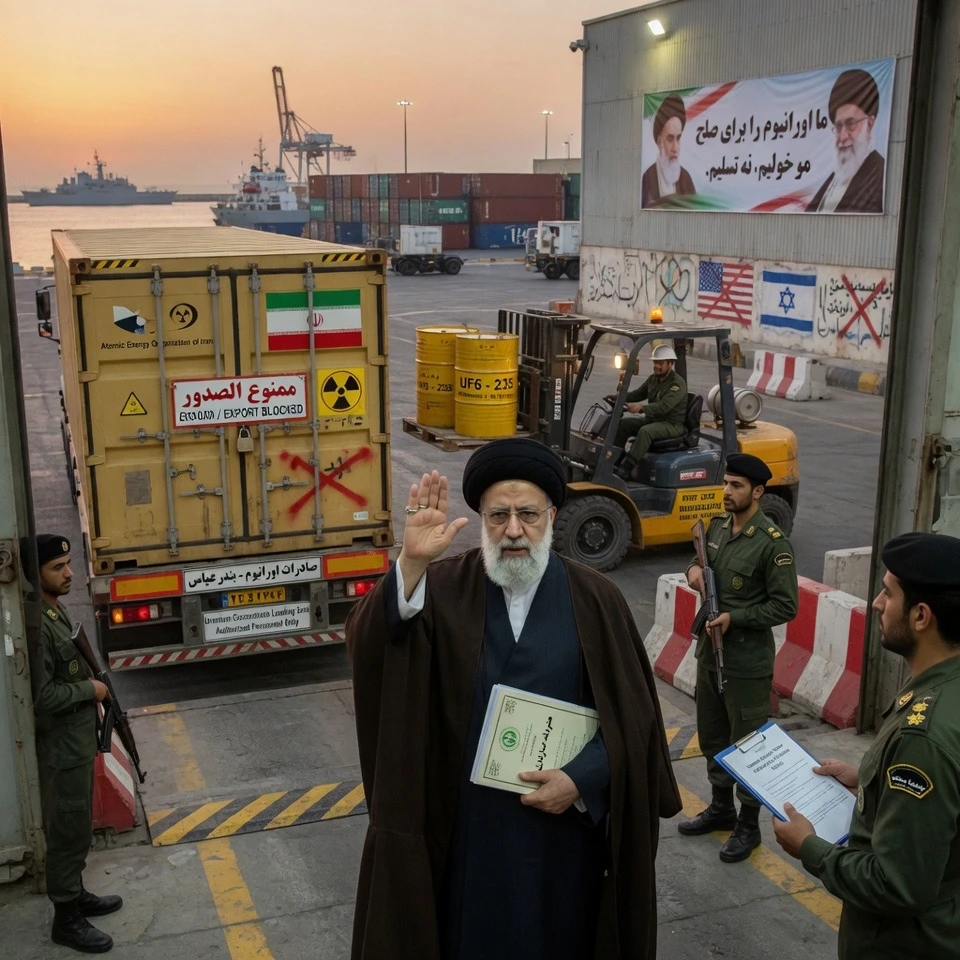
Iran Supreme Leader Blocks Uranium Export Securing Us Oil Market Control by Grok is licensed under Grok xAI
Iran Supreme Leader Blocks Uranium Export, Securing US Oil Market Control

Xi Hospital Rumor Exposes a China Unable to Succeed Him
Chicom Is Awhirl With Anticipation...Who Poisoned XI? Imagine Elaine And Mitch Together?? Sickening...

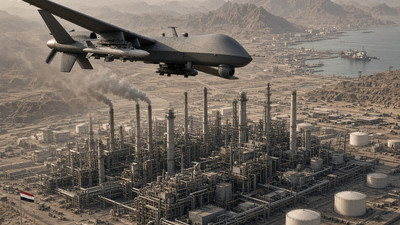
Saudi Warns Mecca a Red Line After Houthi Drone Intercepted
Turn The Place To Glass Already!!!
Patel Holds Senators for Hours, Declining Their Ritual Script
Sacred Cows?? I'll Show You The Real Shit! Says The Pajeet Patel! Truth Bombs Left And Right!

Anthropic Wants Woke Altruistic Communists Regulating Every Other AI Firm
Physiognomy, Politics And Psychosis + Liberal, Leftist And Losers = Bad For Humanity, Thus Slated For Termination By The AI. You'reTerminated!
Court Blocks Mail Ballot Screens as Midterm Ballots Fly Unchecked
Elections Are Fake And Gay!
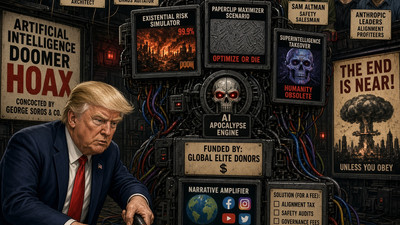
Trump Calls AI Apocalypse a Hoax, Heralds Golden Age Ahead
Calling Bullshit On The Nerds! And No More Global Resets!

EPA Withdraws Biden Carbon Rules That Forced Plants To Close
Clean Air & Clean Water...Clean House On Everything Else!