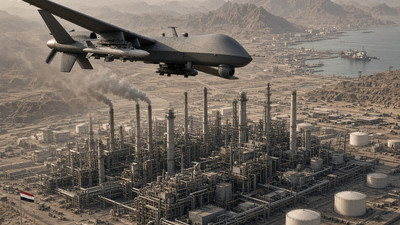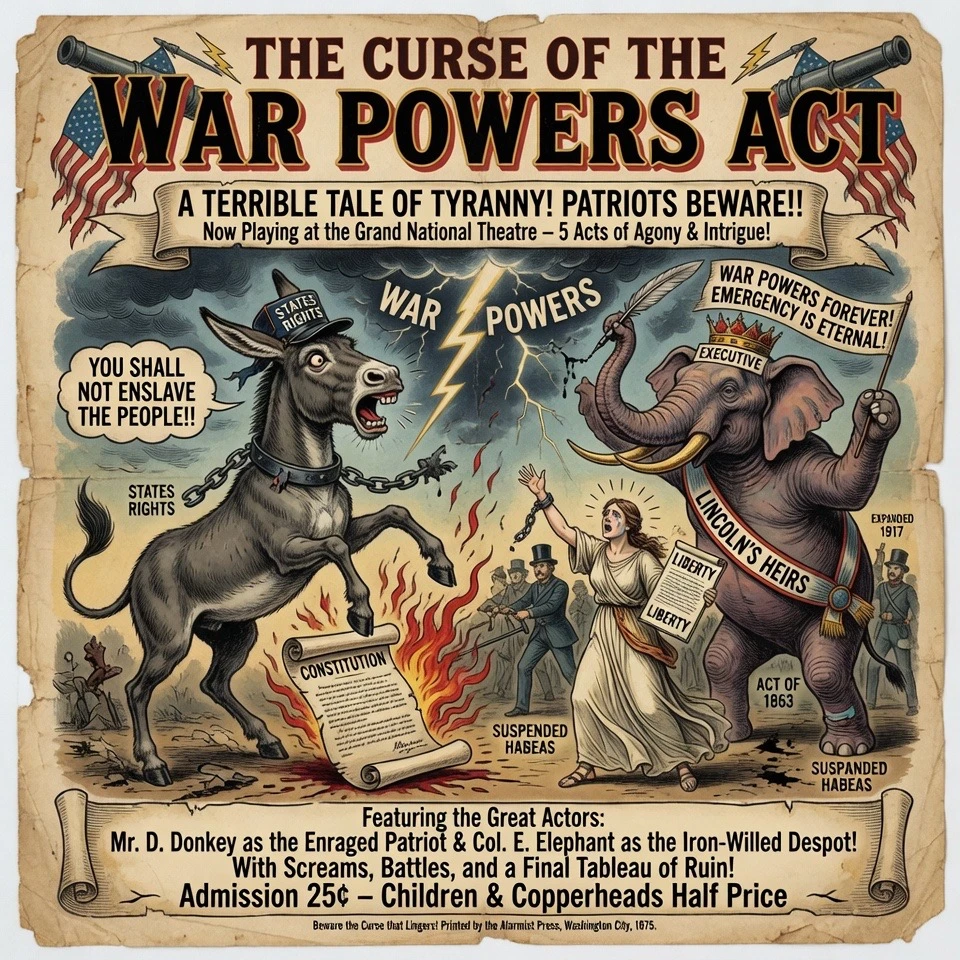
Passing the War Powers Resolution would not trigger a genuine constitutional crisis because the 1973 law itself is widely viewed as a weak, largely performative statute with limited enforcement teeth. Presidents from both parties have long treated it as advisory rather than mandatory, often stretching interpretations of "hostilities," ceasefires, or existing authorizations to maintain flexibility. Even if the House passed it and it survived a veto (requiring two-thirds majorities that do not exist), its practical effect would likely be symbolic—prompting legal challenges, potential court avoidance on political-question grounds, and continued executive maneuvering rather than outright crisis. The Strait of Hormuz disruptions stem mainly from Iranian retaliation and mining threats, not a controlled U.S. strategy for energy dominance; U.S. efforts focus on reopening shipping lanes amid higher global oil prices.
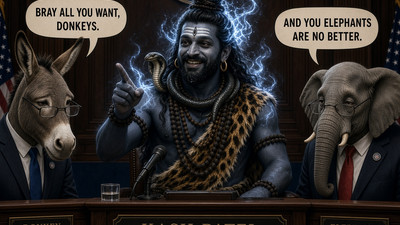
In practice, these resolutions serve primarily as vehicles for political framing and ideological theater. Democrats use them to highlight concerns over unchecked executive power and war costs, forcing Republicans into uncomfortable votes ahead of midterms. Republicans counter that they protect presidential agility against a reconstituted Iranian threat. The repeated votes, delays, and narrow margins generate headlines and position-taking without fundamentally altering the conflict's trajectory. This dynamic underscores why such measures rarely resolve underlying constitutional ambiguities—they function more as messaging tools than decisive checks, allowing both branches to signal principles while avoiding direct confrontation that could paralyze policy. The standoff persists as standard high-stakes Washington negotiation rather than an existential breaking point.
Additional ADNNA Articles:
- Defeated GOP Sen. Cassidy Flips to Advance Bill Ending Iran War
- Congress Ignores Unconstitutional War Powers Deadline Amid Iran Ceasefire
- Iran Supreme Leader Blocks Uranium Export, Securing US Oil Market Control
- Trump’s Iran Uranium Flip-Flop Fuels Media Chaos Over Hormuz US Oil Takeover