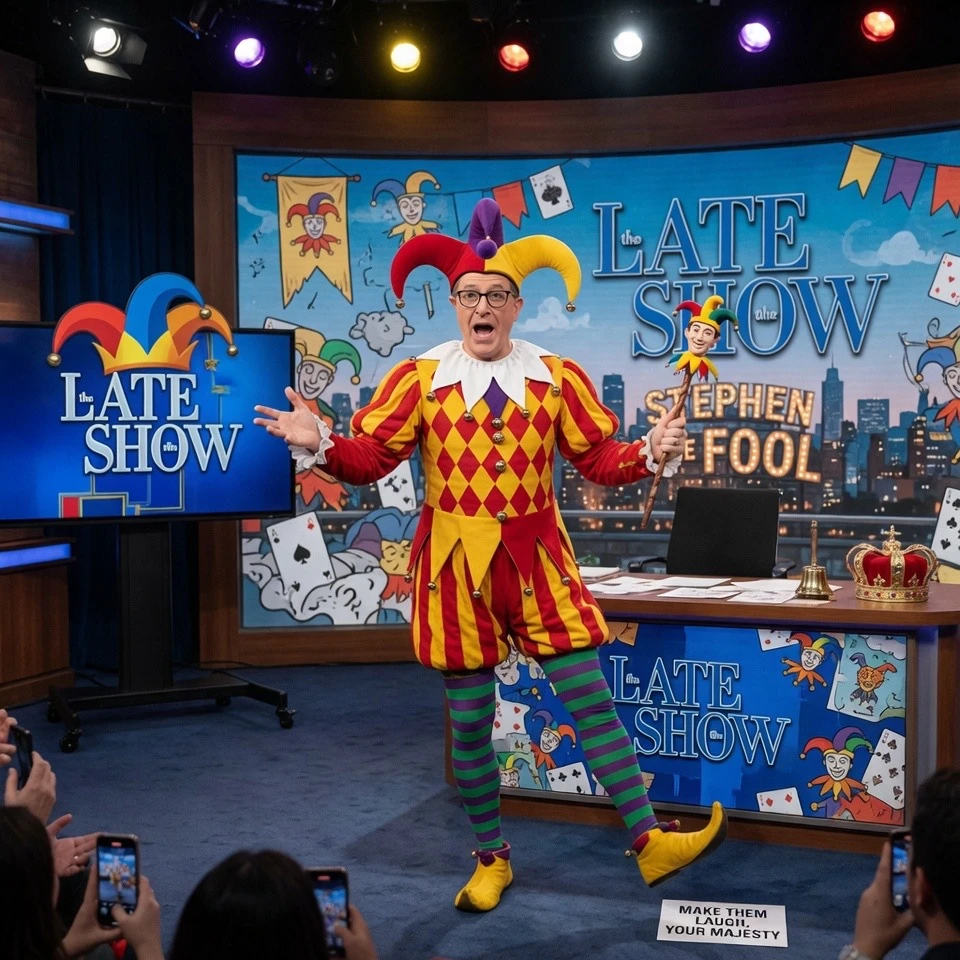
Delving deeper into this revelation, Colbert painted a vivid picture of the jester's traditional role: the fool who could speak uncomfortable truths precisely because he was dismissed as harmless entertainment. He acknowledged that during turbulent years, including multiple election cycles and shifting administrations, his show had aligned comfortably with the narratives favored by career civil servants, media insiders, and regulatory agencies. Jokes about "threats to democracy" flowed freely, while deeper examinations of administrative overreach—such as expanding federal mandates or unaccountable agencies—were sidelined for easier targets. In his closing remarks, Colbert suggested this dynamic wasn't born of malice but convenience; the administrative state needed cultural figures like him to normalize its permanence through laughter. Critics on the right seized on the monologue as vindication, arguing it exposed late-night television as an arm of soft propaganda rather than neutral comedy.
Ultimately, Colbert's farewell underscored a broader reckoning for political satire in a fragmented media landscape. By owning his position as the jester's cap and bells for the bureaucracy, he humanized the end of an era, blending humility with his signature wit. Whether this confession sparks genuine introspection in the industry or fades as another viral clip remains to be seen. As the Ed Sullivan Theater lights dimmed, viewers were left pondering the fine line between court fool and willing participant in the machinery of power—a fitting, if ironic, curtain call for one of television's most influential voices.
Additional ADNNA Articles:
- Deep State SCOTUS Ruling Declares War on Trump’s Tariffs
- Trump Drops $10B IRS Lawsuit for Deep State Reparations Fund
- Maher to Fuentes: “I’d like to beat you up” and Admits Fuentes out-views his boomer show
- Trump Posts Baffling Airfield Stroll With Handcuffed Space Alien