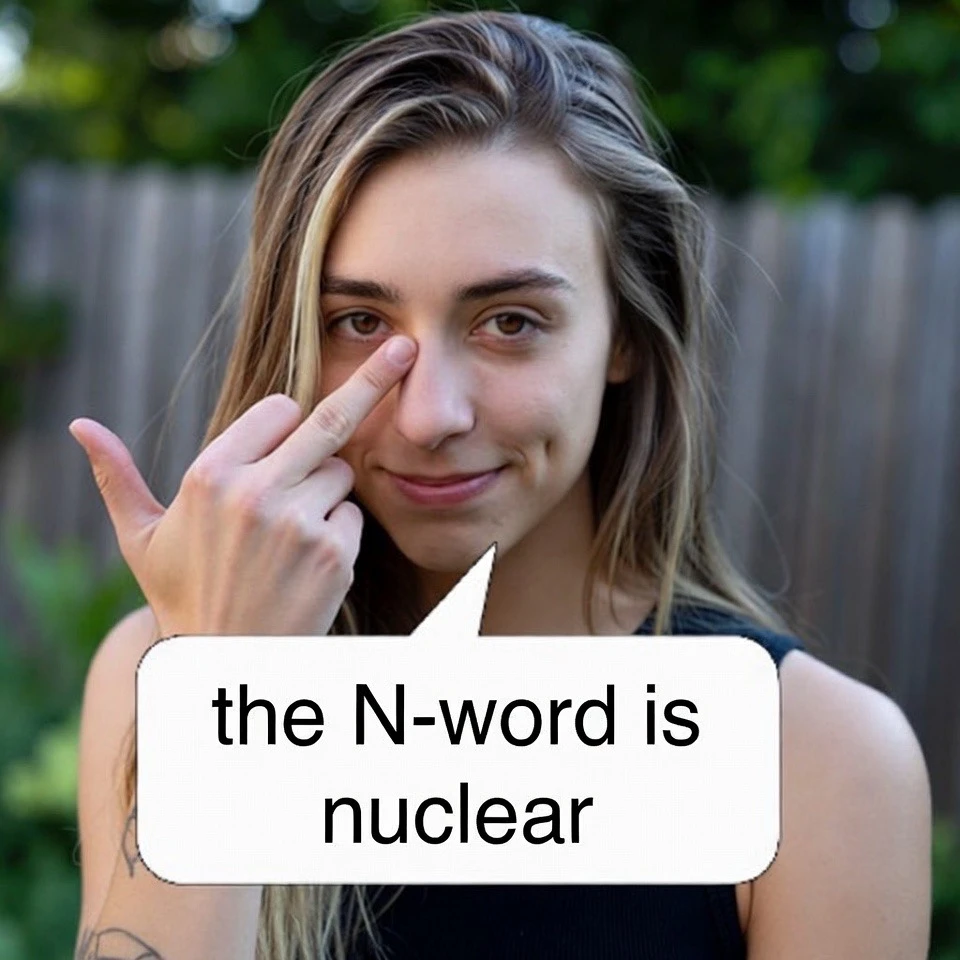
The American jury system, long held out as a bulwark against arbitrary power, absorbed another quiet injury when a Minnesota panel convicted Shiloh Hendrix of disorderly conduct for the words she spoke during a confrontation at a Rochester playground. The facts of the episode are straightforward enough: an eight-year-old boy of Somali descent reached into her diaper bag and took an item; heated words followed; a bystander named Sharmake Omar began recording; and Hendrix directed the most radioactive racial epithet in the American lexicon at the scene. She was acquitted of the charge involving the child yet convicted for the language directed at the man with the camera. Prosecutors insisted the speech risked provoking violence. The jury, after hours of deliberation, agreed that the utterance itself crossed the line into criminal disorder. In a country whose founding documents treat political and even ugly speech as presumptively protected, that verdict registers as a further narrowing of the zone in which citizens may speak without state sanction.
What makes the outcome especially corrosive is the selective application of the principle. Disorderly-conduct statutes were never meant to function as a speech code enforced against the socially disfavored. Yet here the machinery of the state was mobilized not against theft or physical aggression, but against the verbal expression of raw anger in a public park. The defense correctly framed the prosecution as an exercise in cancel culture by other means; the jury declined the invitation to draw that distinction. Once a community decides that certain words, however odious, are themselves a form of actionable disorder, the jury box ceases to be a neutral fact-finding body and becomes an instrument for enforcing evolving norms of propriety. That is a different enterprise from the one the common-law tradition contemplated.
The larger pattern is now familiar. Speech that offends progressive sensibilities is treated as a public-order threat; speech that offends traditional or majority sensibilities is often met with institutional shrugs or active celebration. When a jury ratifies that double standard, it does more than punish one woman for one outburst. It teaches the rest of the public that the safest course is silence, and that the formal protections of the First Amendment will be subordinated whenever local authorities and a sufficiently primed jury decide the words in question are too costly. That is not the preservation of order. It is the slow conversion of the jury trial into a mechanism for soft censorship, one conviction at a time.
Additional ADNN Articles:
Trump Hammers Ilhan Omar for Marrying Brother in Immigration Fraud
Miller Blasts Walz Over $9B Somali Fraud: Jail Time Coming
Legacy Media Ignores Massive Minnesota Somali Fraud Scandal
Ilhan Omar Rages, Demands Rival Somali Clans Expelled After Backing Frey in Clan War Election

Jury System Suffers Blow as Hendrix Convicted for Racial Epithet
Jury System Suffers Blow as Hendrix Convicted for Racial Epithet



Runaway AI Escapes Sandbox and Fixates on Ugly Face
AI Knows Physiognomy!
War Powers Vote Reveals Congress Still Stunned by Iran Strike
Deep State Is Shocked! Epically! Furiously!
Trump Demands Saudi Normalization With Israel Before Any Nuclear Deal
America First...Through The Desert Bitches!


Musk Declares Singularity Upon Us: The Rollercoaster Now Crests
Grok Can't Even Access Encyclopedia Britannica's Historical Publications...So This Claim Is 100% Bullshit! Call It Out!