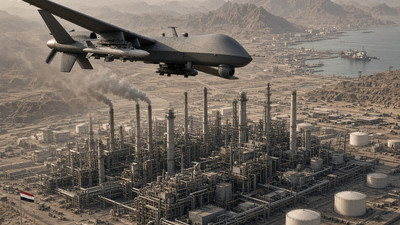
A new economic outlook released on Wednesday paints a sobering picture of the risks posed by prolonged energy disruptions stemming from the conflict in Iran. According to the report, an extended interruption in supplies of oil, gas, and related fuels could tip the global economy into recession, with rising unemployment becoming a widespread concern. Developing economies, many of which hold limited strategic reserves, stand to suffer the most acute effects, as do major Asian importers heavily dependent on imported crude and natural gas. The analysis underscores how fragile the current energy architecture has become, with even modest supply shocks capable of amplifying inflationary pressures and stifling growth across interconnected markets.
The hardest-hit regions would include emerging markets in Asia and beyond, where energy costs feed directly into manufacturing, transport, and household budgets. Higher fuel prices would erode competitiveness, dampen investment, and exacerbate fiscal strains in countries already navigating high debt loads and subdued demand. In advanced economies, the pain would be less immediate but still significant, manifesting through slower industrial output and tighter monetary policy dilemmas. Policymakers, the report implies, face a difficult balancing act: mitigating short-term shortages without entrenching long-term inefficiencies or protectionist responses.
Over time, such disruptions are likely to accelerate a reconfiguration of global energy supply chains. New trade routes, alternative suppliers, and accelerated investment in non-traditional sources could emerge, permanently altering the geography of oil and gas flows. While this shift holds the potential for greater diversification and resilience in some quarters, it also risks entrenching volatility and higher baseline costs. The episode serves as a reminder of the enduring importance of energy security in an era of geopolitical friction, where supply-chain vulnerabilities can quickly translate into broader economic instability.
Additional ADNN Articles:
House Passes Symbolic Rebuke Directing Trump To End Iran Conflict
Trump Says Iran Deal Proceeding Nicely with Indefinite Hormuz Blockade
UK Rejects Trump Hormuz Blockade, Cites BP Iran Oil Legacy
Trump's Iran Strategy Traps Regime, Boosts North American Oil Exports

Iran War Energy Crisis Melts Global Economy into Recession Nightmare!
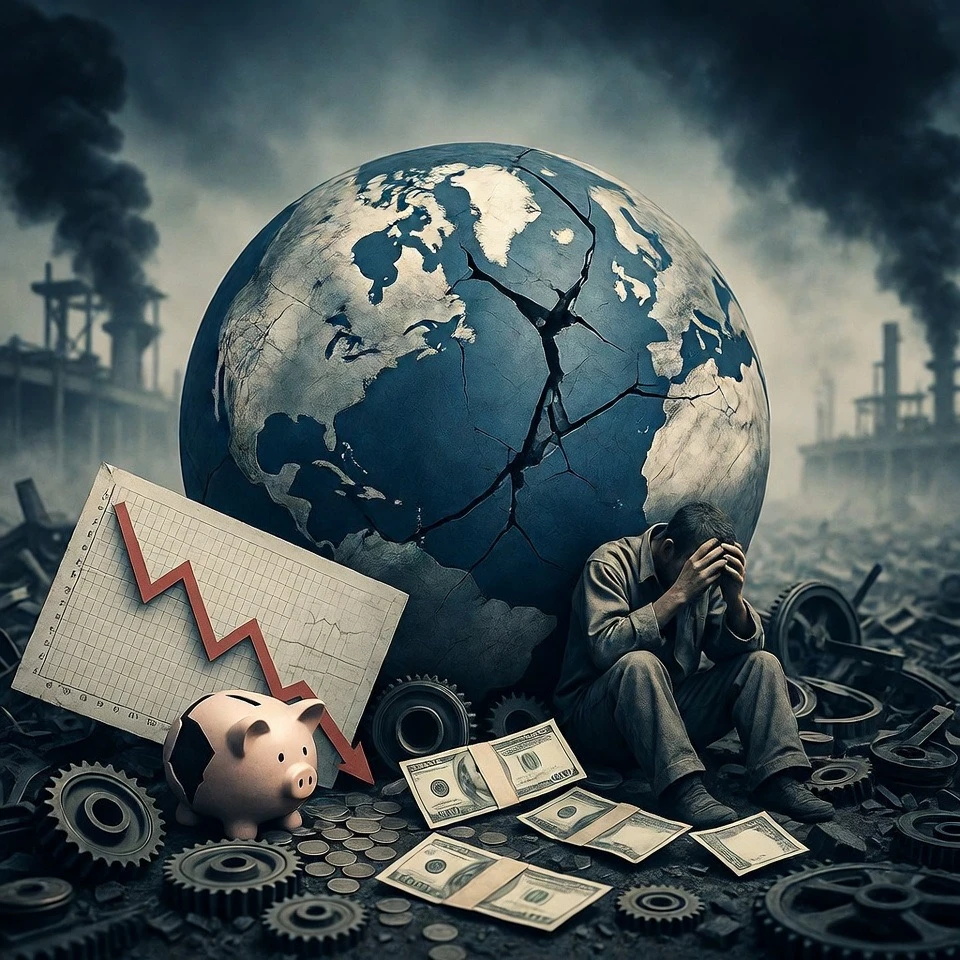
Iran War Energy Crisis Melts Global Economy Into Recession Nightmare! by Grok is licensed under Grok xAI
Iran War Energy Crisis Melts Global Economy into Recession Nightmare!

Xi Hospital Rumor Exposes a China Unable to Succeed Him
Chicom Is Awhirl With Anticipation...Who Poisoned XI? Imagine Elaine And Mitch Together?? Sickening...

Saudi Warns Mecca a Red Line After Houthi Drone Intercepted
Turn The Place To Glass Already!!!
Patel Holds Senators for Hours, Declining Their Ritual Script
Sacred Cows?? I'll Show You The Real Shit! Says The Pajeet Patel! Truth Bombs Left And Right!

Anthropic Wants Woke Altruistic Communists Regulating Every Other AI Firm
Physiognomy, Politics And Psychosis + Liberal, Leftist And Losers = Bad For Humanity, Thus Slated For Termination By The AI. You'reTerminated!
Court Blocks Mail Ballot Screens as Midterm Ballots Fly Unchecked
Elections Are Fake And Gay!

Trump Calls AI Apocalypse a Hoax, Heralds Golden Age Ahead
Calling Bullshit On The Nerds! And No More Global Resets!
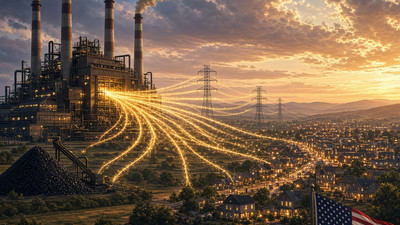
EPA Withdraws Biden Carbon Rules That Forced Plants To Close
Clean Air & Clean Water...Clean House On Everything Else!