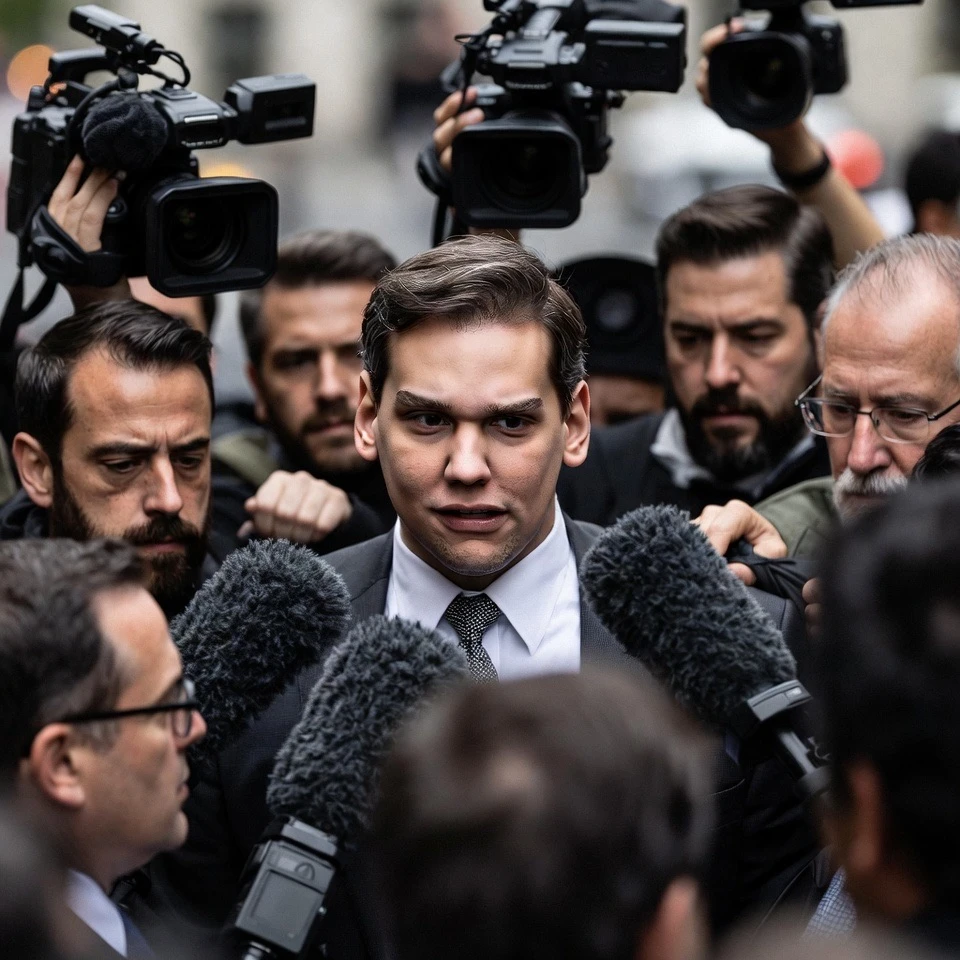
The federal apparatus, having once extracted its pound of flesh from George Santos through a conviction for wire fraud and identity theft, appears unwilling to relinquish its hold even after presidential commutation restored him to liberty. In the months following his release, the same machinery of investigation that pursued him with singular intensity during his brief congressional tenure has reactivated, this time under the banner of prediction-market trading. Santos’s activity on the Kalshi platform—placing bets concerning his own attendance at the 2026 State of the Union—triggered referrals to both the Commodity Futures Trading Commission and the Department of Justice, transforming what might have been treated as routine market participation into the occasion for fresh scrutiny. One detects here not the even-handed enforcement of neutral rules, but the persistent institutional memory of a political class that views certain figures as perpetual legitimate targets.
What distinguishes this latest episode is the mismatch between the gravity of the alleged offense and the resources marshaled against it. Santos is said to have influenced contract prices through social-media statements about his plans, realizing modest gains that regulators later ordered returned along with a civil penalty. Yet the machinery moved with the same deliberative solemnity once reserved for far graver matters of public corruption. In a system that routinely overlooks far larger and more consequential forms of insider advantage among the permanently powerful, the decision to isolate and publicize this particular case reveals an animating preference: the former congressman remains useful as an object lesson. The message is less about market integrity than about the continued availability of levers by which residual administrative power may be exercised against those who have already been broken and then partially restored by higher authority.
This pattern of residual harassment speaks to a deeper institutional pathology. Having failed to keep Santos confined for the full term of his sentence, elements within the permanent government appear determined to demonstrate that commutation does not equal absolution. The selective intensity of inquiry—directed at a figure already expelled, convicted, incarcerated, and released—suggests that the true offense was never solely the original fraud, but the symbolic disruption of narrative control that his presence represented. In the ordered world preferred by bureaucratic custodians, certain men are meant to remain permanently diminished. When higher political will interrupts that design, the response is not acquiescence but a quiet, persistent reassertion of process as punishment. Santos’s experience thus illuminates less about one man’s remaining legal exposure than about the difficulty of truly ending a campaign of institutional enmity once it has begun.
Additional ADNN Articles:
Trump Frees Santos, Slams “Lawfare” Conviction as Ex-Congressman Vows to Expose D.C. Elite
Judge Rules Trump DOJ Can Keep 600+ Seized Fulton County Ballots
Hegseth Delivers Combative Defense of Iran Campaign in Congressional Testimony
War Powers Vote Reveals Congress Still Stunned by Iran Strike
https://americansdirect.net/articles/trump-frees-santos-slams-lawfare-conviction-as-ex-congressman-vows-to-expose-d-c-elite
https://americansdirect.net/articles/judge-rules-trump-doj-can-keep-600-seized-fulton-county-ballots
https://americansdirect.net/articles/hegseth-delivers-combative-defense-of-iran-campaign-in-congressional-testimony
https://americansdirect.net/articles/war-powers-vote-reveals-congress-still-stunned-by-iran-strike

Feds Persist in Harassing Santos After Trump’s Clemency
Feds Persist in Harassing Santos After Trump’s Clemency
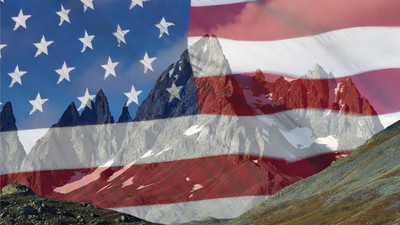
Trump Secures Infinite Life Greenland Pact Barring China, Russia
Make America Greenland Again - Orangeman Wins Again! God Bless The Red, White And Blue!
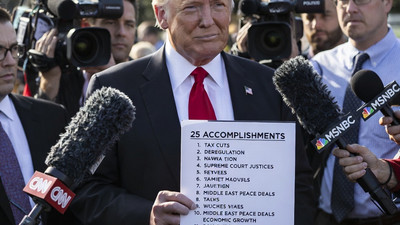
Trump Posts Twenty-Five Term-Three Wins No Predecessor Matched
MAGA? Maybe...Let's See What Is Next.
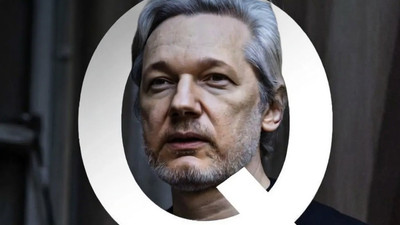
Assange Returns on Constitution Day as the Storm Breaks Worldwide
Trust The Plan? Who The Fuck Are The Planners Of The Plan? Its A Mystery To Us!

Sydney Sweeney’s Playful Ad Rebukes Hypocritical Athletes and Woke Scolds
Tits And Ass Sells. Thank God!

World's Richest Man Still Sleeps in a Trailer Anyway
"In A Van...Down By The River!"
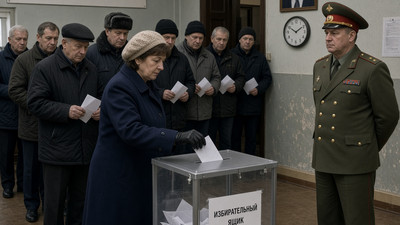
Russia Votes in Public; America Counts After the Lights Dim
More Honest Than US?
Lee's LIT Act Restores Human Light Over Industry Mandate
Freedom. Peace. Natural Rhythm!
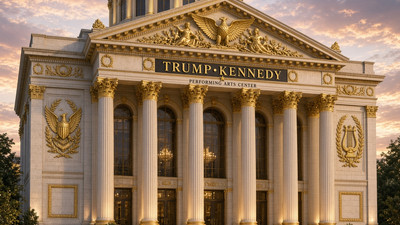
Board Closes Kennedy Center Until Circuit Rules on Name
Developer Rules...Developer Strategy...Developer Trump Wins! Art Of The Deal.