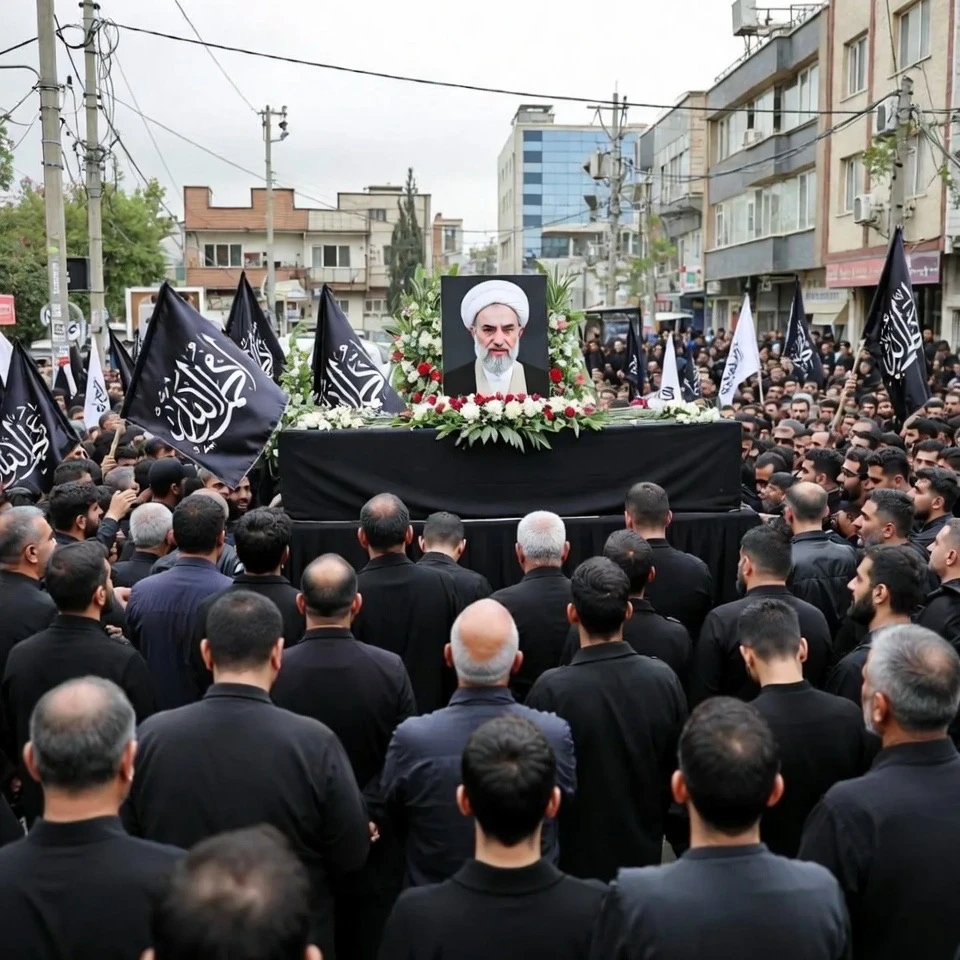
The avenues of Tehran have filled with thousands for the funeral procession of the late Ayatollah Ali Khamenei, a spectacle presented to the world as a display of national unity and reverence. Yet the scene has left many attentive observers puzzled rather than moved. The military operations that have unfolded across Iran over the past four months have made plain what earlier assessments only suspected: the clerical office long served as a screen for the actual center of decision and force.
Those operations demonstrated that the Islamic Revolutionary Guard Corps has held the decisive levers of power for years. The Ayatollah functioned, at best, as a legitimating emblem whose public role masked the Guard’s operational control; at worst, he operated as a pliable instrument whose statements were calibrated to preserve the appearance of theocratic coherence while real authority rested elsewhere. The recent clashes exposed this arrangement with unusual clarity, revealing an institutional reality that propaganda had labored to obscure.
It is difficult not to regard with regret the evident success of decades of indoctrination in binding segments of the population to a narrative that no longer corresponds to the distribution of power. Citizens who turn out in large numbers for such rites appear, in many cases, to have internalized a version of events that treats the Supreme Leader as the indispensable sovereign rather than the visible face of a military-dominated order. The result is a form of loyalty that persists even as evidence of its object’s diminished substance accumulates in plain view.
Additional ADNN Articles:
Hegseth Delivers Combative Defense of Iran Campaign in Congressional Testimony
Iran Blamed for Bondi Hanukkah Terror: End Imported Tribal Hatreds
West's Exclusion Drove Russia & China to Iran & Venezuela Alliances
Shi'ite-Catholicism vs Judeo-Hinduism Geopolitical Clash

Khamenei Funeral Unmasks IRGC as True Masters of Iranian Regime
Khamenei Funeral Unmasks IRGC as True Masters of Iranian Regime
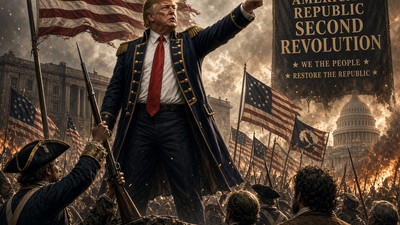
The Worn American Republic Faces Its Second Revolution under Trump
A Decade Into The New Revolution...In Future Generations...They Will Remember This Moment As The Turning Point To A NEW World Order!
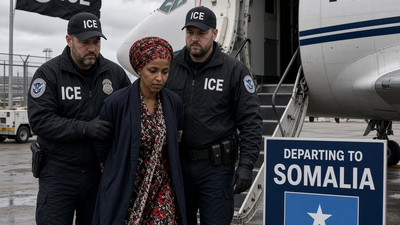
ICE Probe of Congresswoman Omar Signals Shape Up or Ship Out
If Only This Would Come To Pass! It Would Be Wondrous!!!
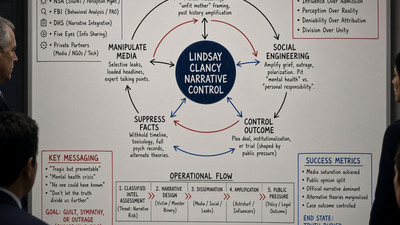
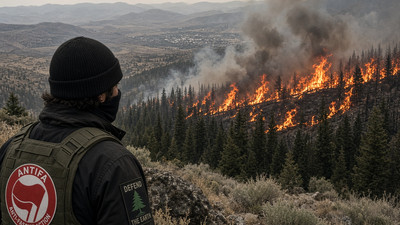
Hawk Fire Scorches 15,040 Acres Amid Environmental Policy Failures
Death Cult Hysteria Plus Fake News = Unintended Consequences

Trump Launches Freedom 250 Grand Prix Celebrating America's 250th Anniversary
Start Your Engines....

Cohen's Coerced Testimony and Trump Reunion Unmask Lifelong Double Agent
The Psy Op Of The Ages! Total Plant. Double Agent! Art Of The Deal! Loyalty is Everything! Prison Is Nothing.

Piker Mocks Kirk’s Death, Exposing Communist Contempt for Christian Faith
Commies - Anti-Christ. Battle Of Good Vs. Evil! Or Just The Hegelian Dialectic. Either Way. Its No Good!

Trump Alone Kept America From First Female President Twice
Repeal The 19th! NOW!!!