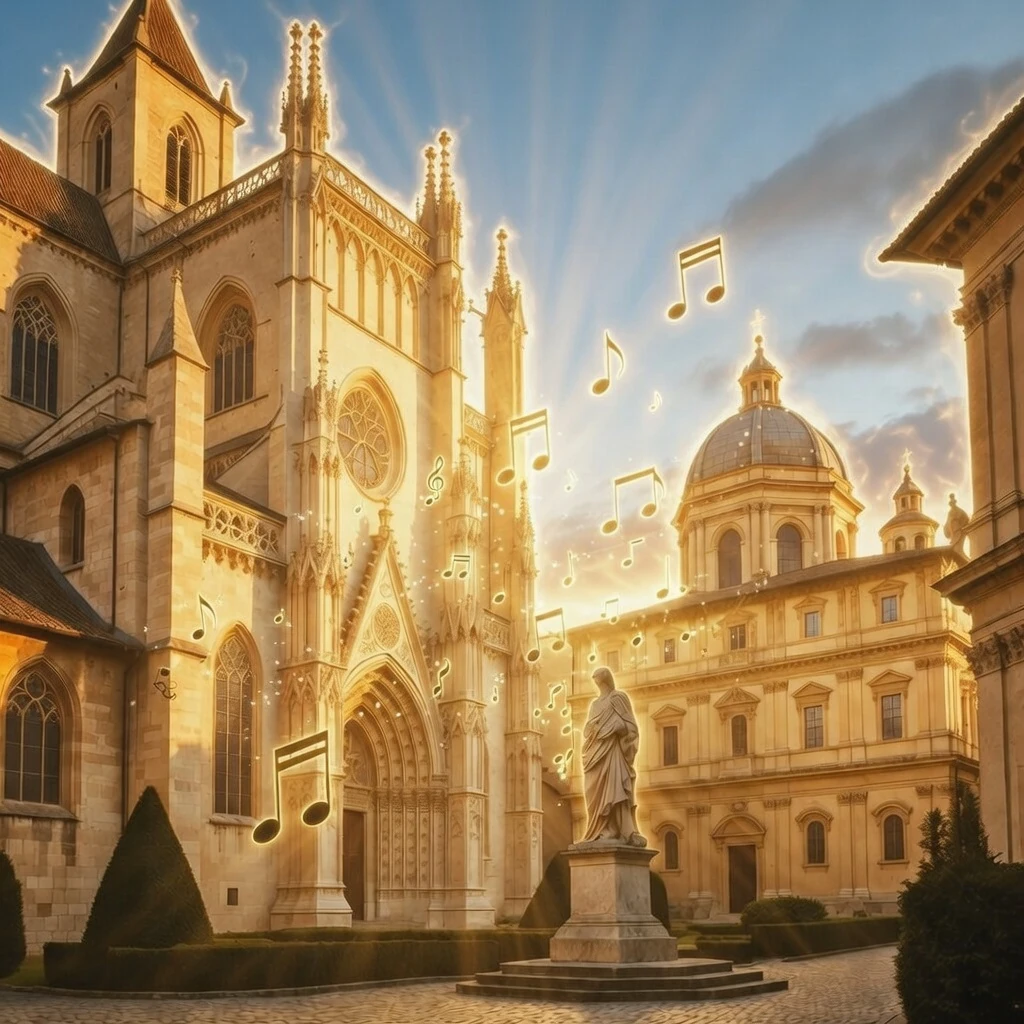
Modern man finds himself trapped in a profound cultural irony, gazing with unyielding admiration at the grandeur of ancient cathedrals, Renaissance masterpieces, and classical symphonies that echo through time. These creations, born from the hands of ancestors who poured their souls into stone, canvas, and melody, evoke a sense of awe and longing that technology’s sleek minimalism often fails to match. The intricate spires of Gothic architecture, the harmonious proportions of Greek temples, and the epic narratives of medieval literature stir something primal within him—a yearning for transcendence and beauty that feels increasingly absent in the sterile efficiency of contemporary life. Yet, this enamoration is not mere nostalgia; it is a helpless infatuation, as if the past’s aesthetic triumphs whisper promises of meaning that the present cannot fulfill, leaving him suspended between reverence and disconnection.
At the heart of this predicament lies a deep-seated contempt for the very ideologies that fueled such splendor. The beliefs in divine order, heroic virtue, or communal rituals that inspired builders to erect monuments defying gravity or artists to capture the sublime are now dismissed as relics of superstition, oppression, or outdated dogma. Modern sensibilities, shaped by secular rationalism and progressive individualism, recoil from the religious fervor that animated Notre-Dame’s construction or the imperial ambitions behind the Roman Colosseum. He views these foundations as tainted by hierarchy, exclusion, or irrationality, preferring to sanitize history through the lens of enlightenment values. This disdain creates an internal rift: how can one cherish the fruits of a worldview while scorning its roots? It fosters a selective appreciation, where beauty is extracted like ore from a mine, stripped of its original context and purpose.
The tragedy unfolds in the barrenness it breeds for the future. Bereft of the convictions that once propelled creation, modern man struggles to produce equivalents that endure beyond fleeting trends or utilitarian designs. His attempts at innovation often yield soulless replicas—glass skyscrapers that mimic old forms without the spirit, or digital art that dazzles but dissipates. This predicament erodes cultural vitality, trapping him in a cycle of consumption rather than creation, where he tours ruins as a spectator rather than building legacies as a participant. Ultimately, it reveals a hollow core: enamored with the old world’s beauty yet despising its beliefs, he risks inheriting a world of echoes without the voice to sustain them, condemning himself to a perpetual state of unfulfilled aspiration.
Additional ADNN Articles:

Modern Man’s Love for Old Masterpieces Scorns Their Faith Roots
Modern Man’s Love for Old Masterpieces Scorns Their Faith Roots
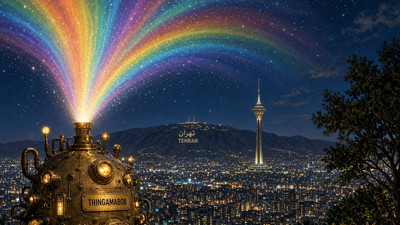
War Department Thingamabob Rainbows Tehran Sky, Unsettling Guards and Globalists
A Heap Of Homo Hooligan Hell Hole Rainbow Lights Shock The Sand People. Was It US? Or Enoch? Or Some Other Alien?

Bessent Pins Hugging Face Incident on OpenAI Managers, Not Agents
Bots Aren't Gay...

Austin Protesters Learn Texas Differs From Minnesota After ICE Clash
Don't Mess With Texas!

Fonzie Jumped the Shark; Fifty Years of Failure Endure
Fake And (Almost Certainly) Gay - Jewish Greaser, Mind Control And The Pop-Culture Term That Lives On...

Ukraine’s Swarm Hits Moscow Refinery as Russia Warns Retaliation
World War Three, Anyone?
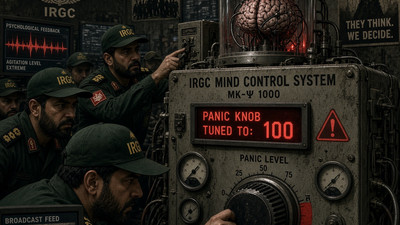
Iran Issues Code 100 as Trump and Netanyahu Rush Home
Turn Up The Volume!

Trump Forms AI Force and Czar; Will Not Stifle Industry
May The Force Be With You! Superior Intelligence Is The New AI!

No First Amendment Right To A Seat In West Wing
Mockingbird Press Pissed At Being Locked Out As They Are The "Deep-State-Run-Media" - The Propaganda Arm Of The Intelligence Community Driving Mind Control - Fucking Commies! God To Hell You Sickos!