In the wake of Rashida Tlaib’s fiery outburst during President Trump’s State of the Union address, where she and fellow Squad member Ilhan Omar shouted accusations like “Liar!” and “You have killed Americans!” amid discussions on border security and sanctuary cities, social media erupted with a mix of outrage and humor. Trump’s subsequent Truth Social rant, labeling the congresswomen as “lunatics” with “bulging, bloodshot eyes” and suggesting they be sent back “from where they came,” only fueled the fire. But amid the political sparring, a peculiar meme began circulating among conservative circles and online trolls: “Why’s the cleaning lady so mad at Trump?” This quip, playing on Tlaib’s Palestinian heritage and perhaps her passionate demeanor, quickly gained traction on platforms like X, where users photoshopped her image into janitorial uniforms or superimposed her face onto cleaning product ads, turning a serious moment of dissent into viral satire.
Americans from various walks of life chimed in on the joke, with some viewing it as harmless ribbing in the rough-and-tumble world of politics, while others decried it as thinly veiled racism. Late-night shows and podcasters picked up the thread, with hosts like Joe Rogan pondering aloud why Tlaib’s intensity reminded people of an overworked custodian fed up with a messy boss. Online forums buzzed with theories—ranging from her vocal opposition to Trump’s immigration policies to her wearing of a “F— ICE” pin during the speech—suggesting she was “cleaning house” on behalf of progressive causes. The meme’s spread highlighted the polarized reactions to the SOTU, where Trump’s boasts about economic wins and border crackdowns clashed with Democratic interruptions, leaving many to laugh off the tension with absurd analogies.
As the dust settled, the “cleaning lady” trope evolved into broader discussions about representation and decorum in Congress. Supporters of Tlaib argued it diminished her role as a duly elected representative from Michigan, born in Detroit, into a stereotype that ignored her advocacy for Palestinian rights and against perceived injustices. Yet, for Trump’s base, it encapsulated their frustration with what they saw as unhinged disruptions during a “very elegant” event. Polls and social media analytics showed a spike in searches for Tlaib-related humor post-SOTU, underscoring how one heated exchange could spawn a cultural punchline that lingered longer than the policy points themselves, proving once again that in American politics, memes often outlast manifestos.
Additional ADNN Articles:

Tlaib’s SOTU ‘Liar’ Outburst Sparks Viral ‘Cleaning Lady’ Meme Controversy
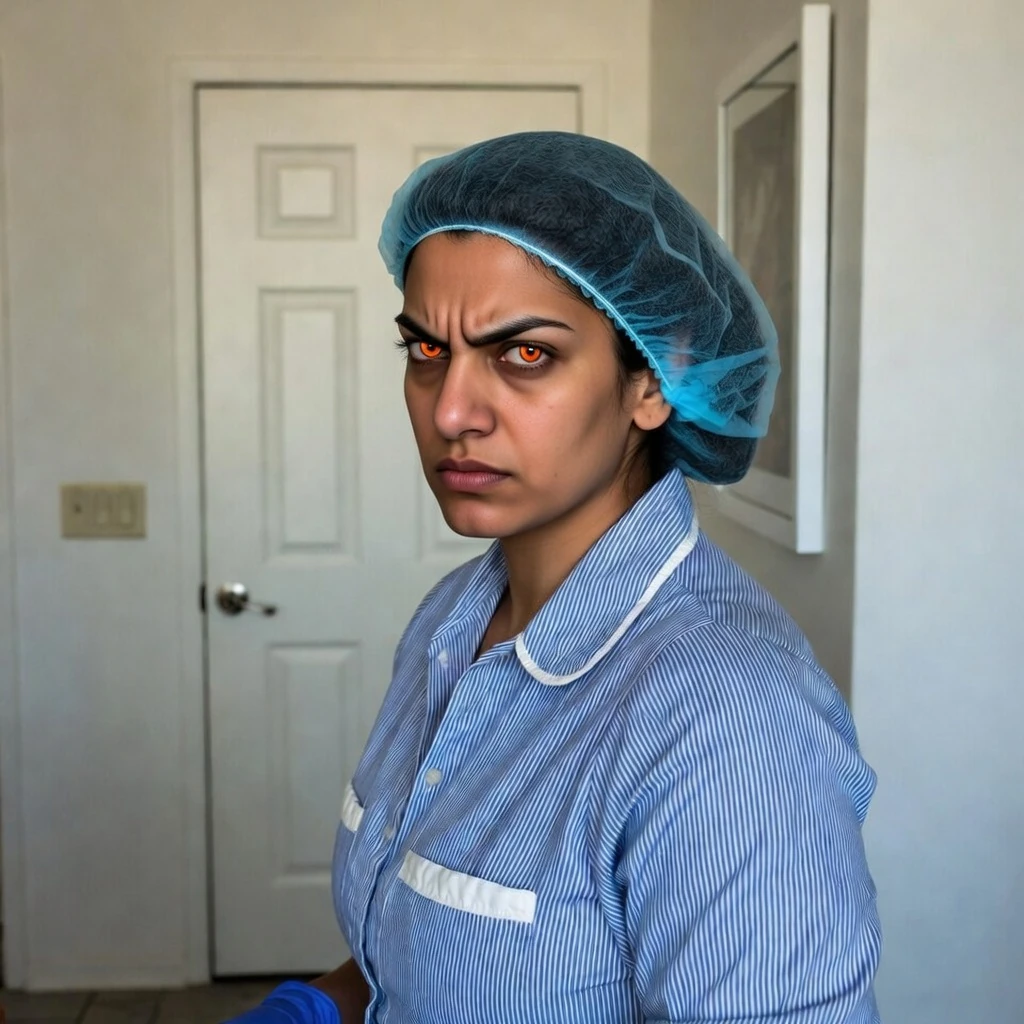
Tlaib S Sotu Liar Outburst Sparks Viral Cleaning Lady Meme Controversy by Grok is licensed under Grok xAI
Tlaib’s SOTU ‘Liar’ Outburst Sparks Viral ‘Cleaning Lady’ Meme Controversy

War Department Thingamabob Rainbows Tehran Sky, Unsettling Guards and Globalists
A Heap Of Homo Hooligan Hell Hole Rainbow Lights Shock The Sand People. Was It US? Or Enoch? Or Some Other Alien?

Bessent Pins Hugging Face Incident on OpenAI Managers, Not Agents
Bots Aren't Gay...

Austin Protesters Learn Texas Differs From Minnesota After ICE Clash
Don't Mess With Texas!

Fonzie Jumped the Shark; Fifty Years of Failure Endure
Fake And (Almost Certainly) Gay - Jewish Greaser, Mind Control And The Pop-Culture Term That Lives On...

Ukraine’s Swarm Hits Moscow Refinery as Russia Warns Retaliation
World War Three, Anyone?
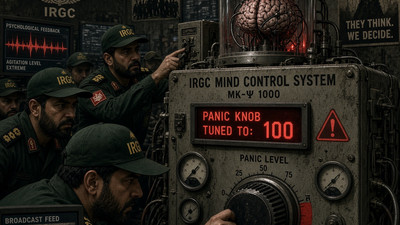
Iran Issues Code 100 as Trump and Netanyahu Rush Home
Turn Up The Volume!
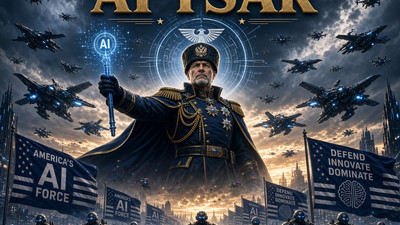
Trump Forms AI Force and Czar; Will Not Stifle Industry
May The Force Be With You! Superior Intelligence Is The New AI!
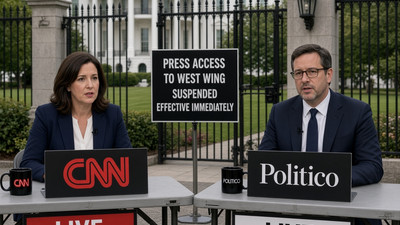
No First Amendment Right To A Seat In West Wing
Mockingbird Press Pissed At Being Locked Out As They Are The "Deep-State-Run-Media" - The Propaganda Arm Of The Intelligence Community Driving Mind Control - Fucking Commies! God To Hell You Sickos!