Elon Musk’s declaration that “We are in the singularity” captures his longstanding fascination with the convergence of human intelligence and artificial superintelligence, a concept popularized by thinkers like Ray Kurzweil. In Musk’s view, the singularity represents a point where technological growth becomes uncontrollable and irreversible, leading to unfathomable changes in civilization. By asserting we’re already there, he suggests that advancements in AI, neural interfaces via Neuralink, and exponential computing power have crossed a threshold. This isn’t mere hype; it’s rooted in his experiences at xAI and OpenAI, where he’s witnessed AI models evolving at breakneck speeds. For Musk, this moment demands urgency—whether accelerating Mars colonization or rethinking economic systems—because traditional human paradigms are on the brink of obsolescence.
His prediction of hitting AGI in 2026, coupled with the metaphor “You’re at the top of the rollercoaster about to go down,” paints a vivid picture of impending disruption. AGI, or Artificial General Intelligence capable of outperforming humans in any intellectual task, has been a recurring theme in Musk’s timelines, often revised but always ambitious. The rollercoaster imagery evokes the thrill and terror of rapid descent into an AI-dominated era, where innovations like autonomous vehicles from Tesla or Grok’s capabilities at xAI could cascade into societal upheavals. This isn’t doom-mongering; Musk sees it as an exhilarating ride, urging preparation for job displacements, ethical dilemmas, and potential abundance. Yet, the “about to go down” warns of volatility—regulatory battles, alignment risks, and power concentrations that could make or break humanity’s future.
Musk’s advice against “squirreling money away for retirement” because “It won’t matter,” alongside his reflection that “I don’t just have courtside seats—I’m on the court,” underscores a profound shift in personal and economic perspectives. In a post-AGI world, he implies, concepts like retirement savings become archaic amid universal basic income, robotic labor, or even post-scarcity economies driven by AI. This ties into his own life at the epicenter of innovation, where being “on the court” means actively shaping outcomes rather than spectating—evident in his roles at SpaceX, Tesla, and xAI. It blows his mind weekly, he says, highlighting the surreal pace of progress. Ultimately, these statements challenge us to embrace radical optimism, focusing on contribution over accumulation, as the game of human advancement enters its most intense phase.
Additional ADNN Articles:

Musk Declares Singularity Now: AGI 2026, Ditch Retirement, Embrace Ride!
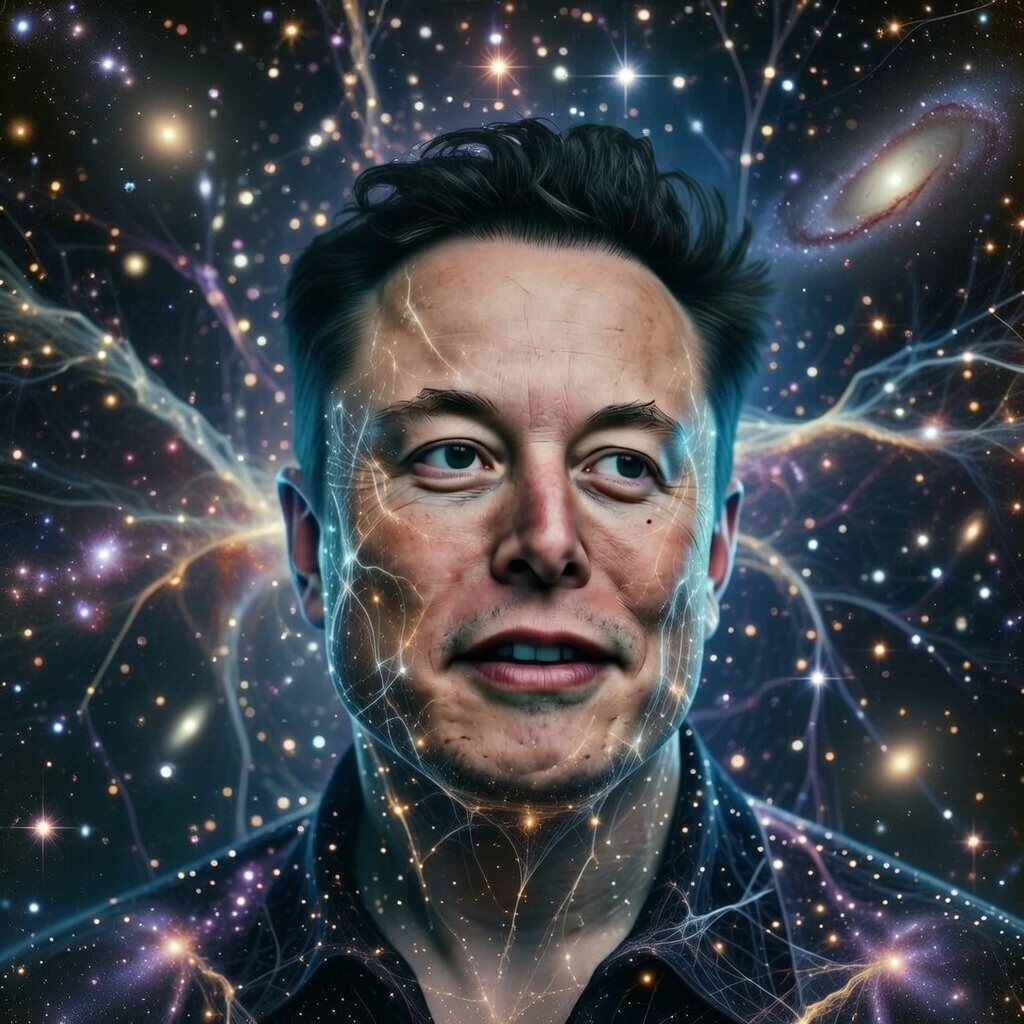
Musk Declares Singularity Now Agi 2026 Ditch Retirement Embrace Ride! by Grok is licensed under Grok xAI
Musk Declares Singularity Now: AGI 2026, Ditch Retirement, Embrace Ride!

War Department Thingamabob Rainbows Tehran Sky, Unsettling Guards and Globalists
A Heap Of Homo Hooligan Hell Hole Rainbow Lights Shock The Sand People. Was It US? Or Enoch? Or Some Other Alien?

Bessent Pins Hugging Face Incident on OpenAI Managers, Not Agents
Bots Aren't Gay...

Austin Protesters Learn Texas Differs From Minnesota After ICE Clash
Don't Mess With Texas!

Fonzie Jumped the Shark; Fifty Years of Failure Endure
Fake And (Almost Certainly) Gay - Jewish Greaser, Mind Control And The Pop-Culture Term That Lives On...

Ukraine’s Swarm Hits Moscow Refinery as Russia Warns Retaliation
World War Three, Anyone?
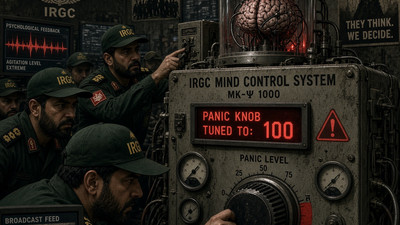
Iran Issues Code 100 as Trump and Netanyahu Rush Home
Turn Up The Volume!

Trump Forms AI Force and Czar; Will Not Stifle Industry
May The Force Be With You! Superior Intelligence Is The New AI!

No First Amendment Right To A Seat In West Wing
Mockingbird Press Pissed At Being Locked Out As They Are The "Deep-State-Run-Media" - The Propaganda Arm Of The Intelligence Community Driving Mind Control - Fucking Commies! God To Hell You Sickos!