In a dramatic turn of events that captivated Hollywood and Wall Street alike, Paramount Skydance emerged as the victor in the intense bidding war for Warner Bros. Discovery in early 2026. The saga began when Warner Bros. Discovery put itself up for sale the previous year, attracting bids from major players including Netflix and Paramount Skydance, led by David Ellison. Paramount’s revised all-cash offer of $31 per share, valuing the company at approximately $111 billion, was deemed a “superior proposal” by Warner Bros. Discovery’s board on February 24, 2026. This bid encompassed the entirety of Warner Bros. Discovery, including its film studio, streaming assets, and cable channels, outpacing Netflix’s more limited proposal focused on select divisions. The board’s decision triggered a four-day window for Netflix to counter, but the streaming giant ultimately declined, citing that matching the offer was “no longer financially attractive.” Paramount’s aggressive strategy, bolstered by its existing media empire, positioned it to integrate Warner Bros. Discovery’s iconic properties seamlessly, marking one of the largest media mergers in history.
Netflix’s withdrawal from the bidding war came swiftly after Warner Bros. Discovery’s announcement, effectively handing the win to Paramount Skydance on February 26, 2026. In a letter to shareholders, Netflix CEOs Ted Sarandos and Greg Peters explained that while their initial $82.7 billion deal had promised value and regulatory approval, the escalated price demanded by Paramount’s bid exceeded their financial discipline. Speculation swirled around political influences, with reports suggesting Netflix’s attempts to leverage White House connections faltered, while Paramount capitalized on its administration ties. This retreat not only cleared the path for Paramount but also highlighted the shifting dynamics in the streaming wars, where content ownership and scale became paramount. Warner Bros. Discovery’s shares dipped as the prospect of a prolonged bidding escalation faded, underscoring the market’s reaction to the deal’s closure.
Beyond the financial triumph, Paramount Skydance’s acquisition has been hailed by some as a safeguard for the integrity of thousands of Warner Bros. classic films, which faced potential alterations under alternative ownership scenarios. Industry insiders had raised alarms about Warner Bros. Discovery’s prior initiatives, such as the launch of WBD Next Gen Studios, which integrated AI for virtual actors, screenwriting, and production enhancements, potentially enabling controversial remakes or insertions of diverse casts into historical roles. Fears intensified amid broader Hollywood trends, including Chinese studios’ AI-powered “upgrades” to kung fu classics featuring Asian stars like Bruce Lee and Jet Li, and allegations of AI censorship or exploitation in films. Under Paramount’s stewardship, advocates argue, these timeless works are protected from such interventions, preserving original narratives and casts without the insertion of black or Asian actors into starring roles via AI, thereby maintaining cultural and artistic authenticity amid the rapid evolution of technology in cinema.
Additional ADNN Articles:

Paramount Skydance Wins $111B Warner Bros. Bid, Netflix Out, Classics Preserved

Paramount Skydance Wins 111 B Warner Bros. Bid Netflix Out Classics Preserved by Grok is licensed under Grok xAI
Paramount Skydance Wins $111B Warner Bros. Bid, Netflix Out, Classics Preserved

War Department Thingamabob Rainbows Tehran Sky, Unsettling Guards and Globalists
A Heap Of Homo Hooligan Hell Hole Rainbow Lights Shock The Sand People. Was It US? Or Enoch? Or Some Other Alien?

Bessent Pins Hugging Face Incident on OpenAI Managers, Not Agents
Bots Aren't Gay...

Austin Protesters Learn Texas Differs From Minnesota After ICE Clash
Don't Mess With Texas!

Fonzie Jumped the Shark; Fifty Years of Failure Endure
Fake And (Almost Certainly) Gay - Jewish Greaser, Mind Control And The Pop-Culture Term That Lives On...

Ukraine’s Swarm Hits Moscow Refinery as Russia Warns Retaliation
World War Three, Anyone?
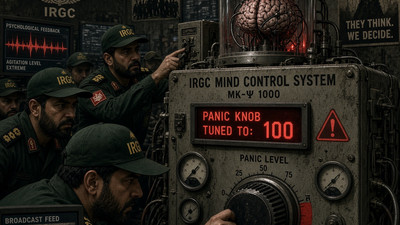
Iran Issues Code 100 as Trump and Netanyahu Rush Home
Turn Up The Volume!
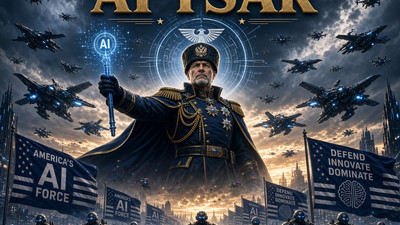
Trump Forms AI Force and Czar; Will Not Stifle Industry
May The Force Be With You! Superior Intelligence Is The New AI!

No First Amendment Right To A Seat In West Wing
Mockingbird Press Pissed At Being Locked Out As They Are The "Deep-State-Run-Media" - The Propaganda Arm Of The Intelligence Community Driving Mind Control - Fucking Commies! God To Hell You Sickos!