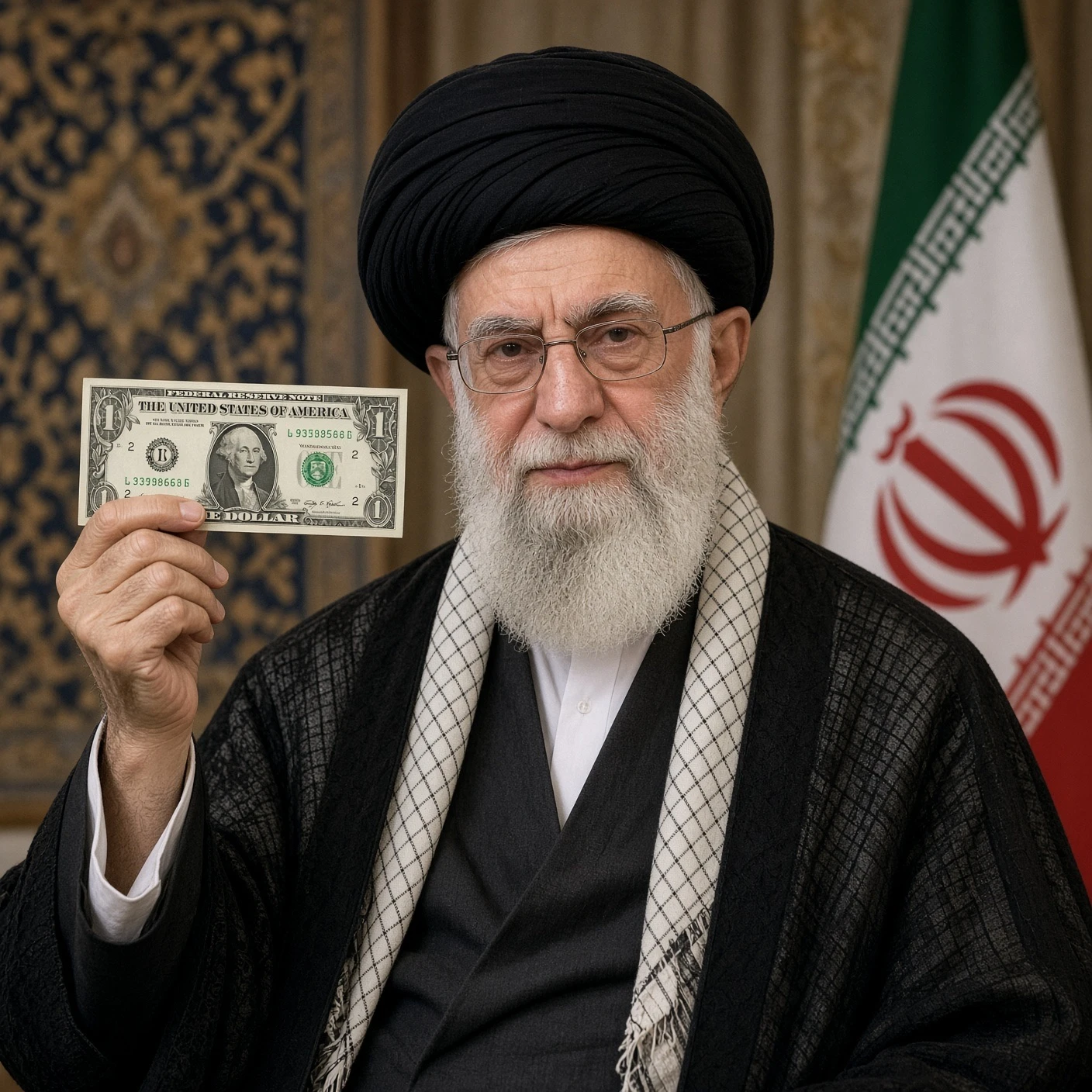
The Iranian rial has crossed a threshold that even its long record of humiliation could not quite prepare the world to see: more than two million to the dollar on the free market, a figure that is less an exchange rate than a verdict. After Washington unveiled what Treasury officials styled an economic D-Day—secondary sanctions aimed at shipping, gold, aviation, technology, and the last remaining facilitators of Tehran’s oil and financial evasion—the currency did not merely weaken. It advertised, in the only language markets trust, that the Islamic Republic’s remaining claims on solvency have been priced to near zero. Official rates continue their polite fiction near 1.5 million; ordinary Iranians, who must live by the street price, already know the difference.
What collapsed is not simply a unit of account. It is the residual belief that a revolutionary state can indefinitely monetize isolation, ideological theater, and the Strait of Hormuz as instruments of leverage. Sanctions of this severity do not invent Iran’s disorders; they concentrate them. Decades of dual exchange rates, chronic inflation now running toward ruinous levels, and a war that has already lasted six months have left the regime with fewer dollars to ration and fewer partners willing to risk the American financial system for the privilege of dealing with it. The rial’s plunge past two million is the market’s way of saying that the theocracy’s time horizon has shortened to the next shipment that never arrives.
History is unkind to regimes that treat currency as a political slogan rather than a store of value. The rial’s new low does not by itself unseat a government that has survived worse shocks and still commands the instruments of coercion. It does, however, strip away the last pretense that Tehran can outlast American pressure by waiting for Western fatigue or Gulf hedging. A currency that requires two million units to purchase one dollar is no longer a medium of exchange; it is an inventory of accumulated failure. Washington has chosen to make that inventory visible. The question now is whether the men who rule in Tehran can still pretend they do not see it.
Additional ADNN Artciles:
Economic D-Day Exposes Iran-Canada Financial Proxies of Global Control
Trump Declares Economic D-Day Against Iran and Its Enablers
Pezeshkian Urges End to War From Strength; IRGC Ideology Prevails
Ratcliffe Warns Moscow: Economic Outcast Will Shatter Clandestine Networks

Rial Collapses Past Two Million After America's Economic Siege
Rial Collapses Past Two Million After America's Economic Siege
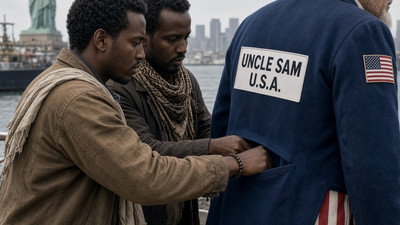
White House Reveals Middle Class Paid Half Life for Fraudsters
Fraud Is Real! Justice Is Coming...Trust Trump!

Europe’s Women Cradle Dogs Where Their Aborted Children Should Be
European Irony...Can't Live With 'Em, Can't Kill 'Em And Can't Reproduce With 'Em.
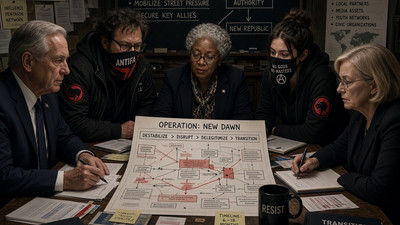
Retired Admirals and Bureaucrats Caught Defining When America Is Illegitimate
TDS Is Real! You Know What Else Is Real...Treason & Sedition! Time For Heads To Roll!

Descendants of Redskins Logo Chief Demand Trump Restore the Name
Hail To The Redskins! Hail Trump! Hail Redskin Nation! Heal America!
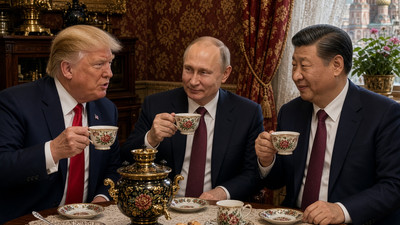
Trump Defies Captured Senate, Prioritizes Peace and Trade With Russia
Dictate This! Congress Is Feckless, Weak And Whacked! Trump Is In Charge! We Think...Who Knows??? Aliens, Simulation, Fate?
Alberta Remains Canadian, Forcing Full Scale American Invasion and Annexation
The War Of Southern Aggression Is Coming! Prepare Thyself!
Nationalist Compact Replaces Debt Slavery as Senate Fate Decides Shift
Set Yourself Free!

Former CIA Governor Installs Soros Operative in Virginia Congress Seat
White Hats Vs. Black Hats...Spy War Continues. Question Is Who They Really Working For? Time Will Tell!