Mark Carney’s decision to escalate the current trade confrontation into open conflict has placed Canada in a position of structural disadvantage that no amount of official messaging can obscure. As the smaller economy, overwhelmingly dependent on the American market for the bulk of its exports, Ottawa’s choice to match tariffs dollar for dollar guarantees that Canadian producers and consumers will absorb the greater share of the pain. The asymmetry is not theoretical; it is arithmetic. When a nation that ships three-quarters of its goods south elects to weaponize the remaining commercial relationship, the resulting dislocation falls heaviest on its own factories, mills, and households. Carney’s government has responded not with sober acknowledgment of this imbalance but with a campaign of narrative deflection, feeding the press the claim that American shelves will soon empty of toilet paper because of duties on Canadian lumber and pulp.
The story being circulated is carefully constructed. American tissue manufacturers do draw a significant portion of their softwood kraft pulp from Canadian forests, and tariffs on those inputs can, in theory, raise production costs. Yet the Canadian government’s emphasis on this particular vulnerability is less an economic analysis than a political gambit: by shifting public attention to the prospect of American discomfort in the bathroom aisle, Ottawa hopes to mask the far more immediate costs that its own retaliatory schedule will impose on Canadian families. Higher prices for appliances, dairy, electronics, and paper products manufactured south of the border will arrive first in Canadian stores. The lumber-to-tissue narrative serves as a convenient distraction, a way of insisting that the real victims of Carney’s strategy live elsewhere.
President Trump, for his part, has treated the dispute as a straightforward exercise in leverage. Having inherited long-standing irritants in softwood lumber, autos, and steel, he has applied pressure where it hurts the smaller partner most and has shown no inclination to accept a settlement that leaves core American industries exposed. The Canadian response under Carney has been to declare the relationship itself under attack and to proceed with reciprocal measures that, by design, raise costs for Canadians while attempting to persuade the public that the greater hardship will fall on their southern neighbors. Whether that persuasion succeeds will depend less on the quality of the talking points than on the lived experience of Canadian consumers when the new tariffs take effect.
Additional ADNN Articles:
Carney’s Trade Sabotage Cannot Halt America’s Claim on Canada
Trump Delays Fifty Percent Tariffs Sparing Canada Time to Align
Canada Truly Belongs in the Union as America’s Fifty-First State
Economic D-Day Exposes Iran-Canada Financial Proxies of Global Control
https://americansdirect.net/articles/carneys-trade-sabotage-cannot-halt-americas-claim-on-canada
https://americansdirect.net/articles/trump-delays-fifty-percent-tariffs-sparing-canada-time-to-align
https://americansdirect.net/articles/canada-truly-belongs-in-the-union-as-americas-fifty-first-state
https://americansdirect.net/articles/economic-d-day-exposes-iran-canada-financial-proxies-of-global-control

Carney's Trade War Disadvantages Canada While Feeding Toilet Paper Fiction
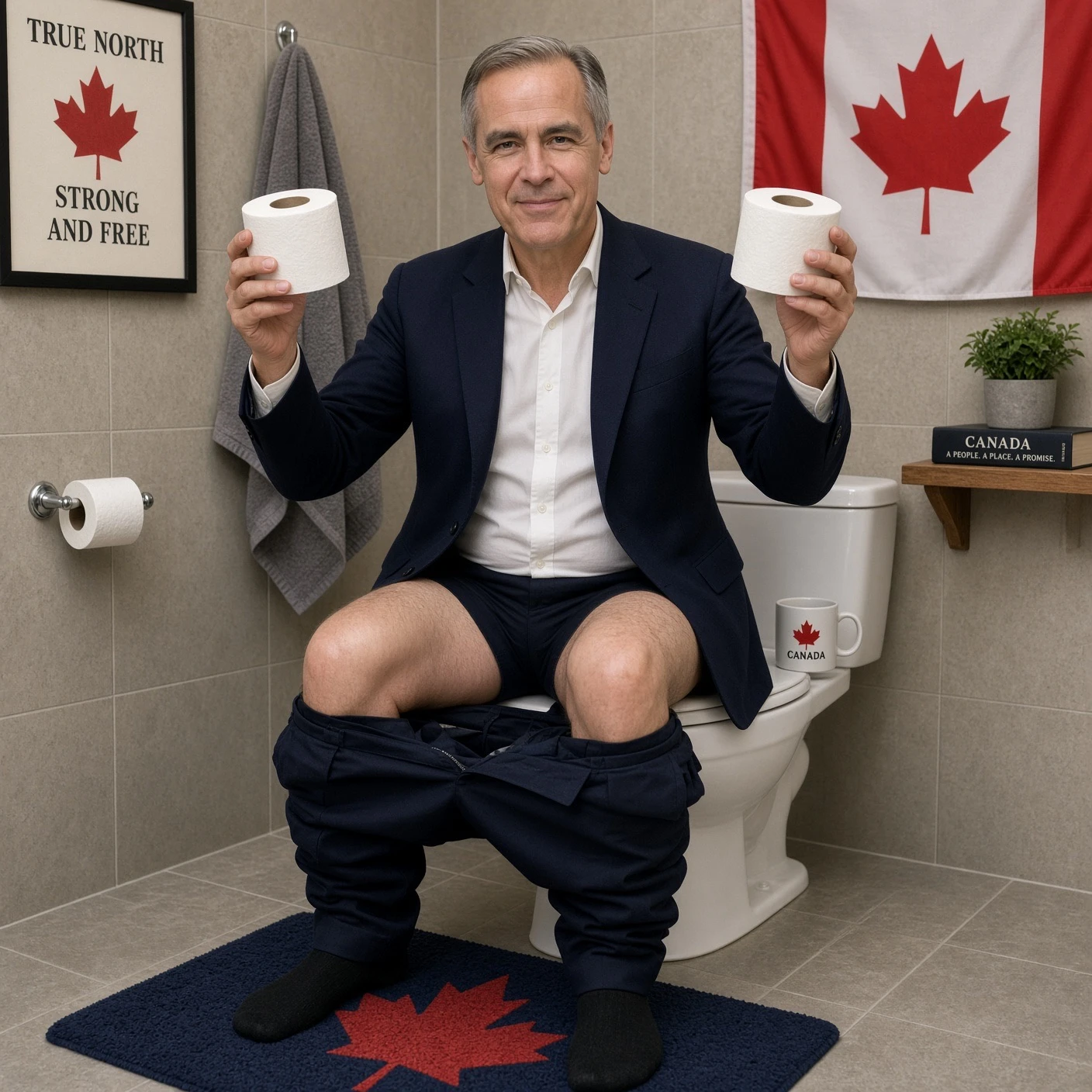
Carney S Trade War Disadvantages Canada While Feeding Toilet Paper Fiction by Grok is licensed under Grok xAI
Carney's Trade War Disadvantages Canada While Feeding Toilet Paper Fiction

Trump-Backed Darline Graham Seizes Senate Nod Over Norman
"F&G" = Fake & Gay...Hey Hey...Or...Fake and Graham

Dolly Parton Dies After Brief Cancer Battle, Beloved Icon Got Vaxxed
Clot Shot Ultimately Killed Her!
Economic D-Day Exposes Iran-Canada Financial Proxies of Global Control
New World Order! Let's Hope It Works To Our Advantage...We Shall See...
Supreme Court Clears Way for Trump's Mail Ballot Fraud Protections
All Well And Good...But Until They Stop The Computers From Cheating Its All Fake And Gay! But A Good Start!
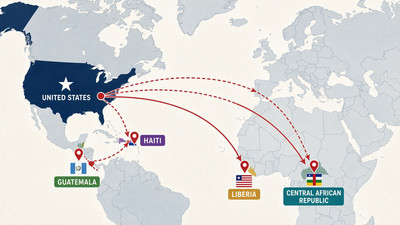
Mass US Deportations Send Mexicans to Guatemala Criminals to Haiti
MAGA! Send 'Em Home To Some Other Shithole!
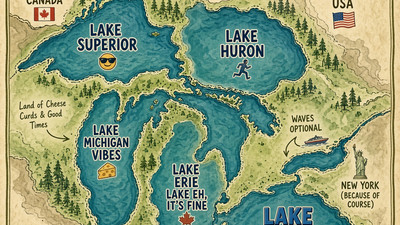
Trump Weighs Historic Rename of Lake Ontario to Lake America
MAGA - Not MOGA! Trump Simply Knows How To Make People's Heads Explode! Its Pretty Great!

The Worn American Republic Faces Its Second Revolution under Trump
A Decade Into The New Revolution...In Future Generations...They Will Remember This Moment As The Turning Point To A NEW World Order!