US and Iranian officials held indirect nuclear talks in Oman on February 6, 2026, marking a notable step in diplomatic efforts to address Iran’s nuclear program. Both sides described the initial round positively: Iranian Foreign Minister Abbas Araghchi called it a “good start” and “positive,” while President Trump characterized the discussions as “very good talks,” stating that Iran “badly wants” a deal and announcing a follow-up round early next week.078 The negotiations, mediated in Muscat, focused initially on the nuclear file amid heightened regional tensions following prior US strikes on Iranian facilities, with both parties agreeing to continue after consultations in their capitals.
However, deep divisions persist, with the US pushing for zero uranium enrichment and broadening talks to include ballistic missiles, proxy support, and human rights, while Iran insists on limiting discussions to the nuclear program and sanctions relief. The Trump administration has maintained a hardline stance, including recent tariffs and military posturing, framing diplomacy as one option alongside potential stronger measures to prevent any Iranian nuclear capability.116 Progress remains tentative, with the White House emphasizing that military options stay available even as talks proceed.
These ongoing negotiations have drawn sharp criticism from Israel and hawkish voices in Washington, who view them as potentially delaying decisive action against Tehran. Israeli officials, including Prime Minister Netanyahu, have expressed skepticism about success, highlighting a buildup toward possible regime pressure and questioning whether talks adequately address Iran’s threats or missile program.1012 Some in Israel worry that diplomacy might constrain US strikes on Iranian targets, preferring maximum pressure over what they see as risky concessions, while Capitol Hill war hawks echo concerns that pausing military options—like strikes on Tehran—risks allowing Iran’s program to advance.
Additional ADNN Articles:

Successful US-Iran Talks Enrage Israel, Hawks: Trump Halts Bombing
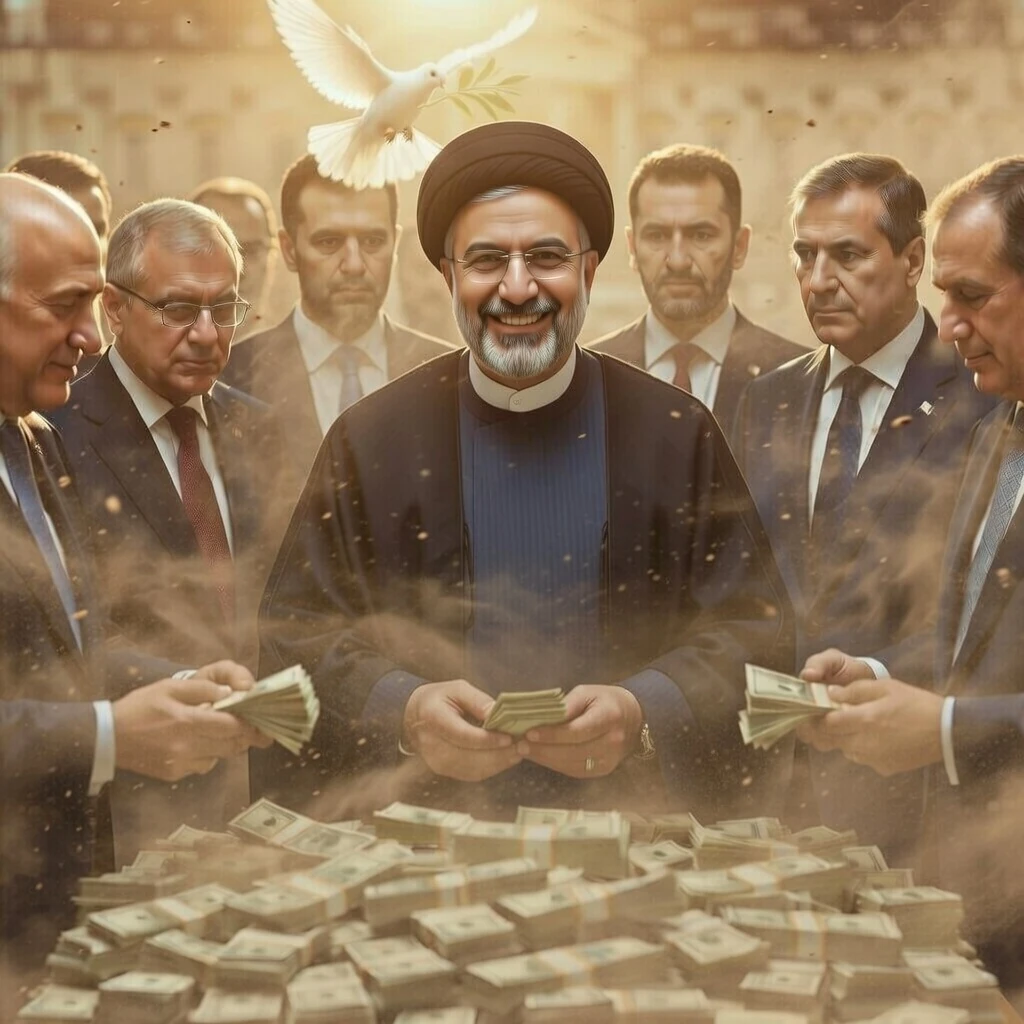
Successful US-Iran Talks Enrage Israel, Hawks: Trump Halts Bombing by Grok is licensed under Grok xAI
Successful US-Iran Talks Enrage Israel, Hawks: Trump Halts Bombing
Carney Courts Phantom EU Rank and Gifts MAGA Canada's Split
How To Lose A Territory...101 - The Revolutionary War Continues.

Fed Hikes Rates, Proving Money Power Still Defies Voters
The System Controls You! Dead Or Alive...

The United States Will Never Be an Effective Altruist Country
Real And Straight. Always. Try Your Weak Communism Elsewhere. Or Better Yet...Go To Hell!

First Woman Primate Honors Bin Laden’s Champion; Wife Erased Beside Him.
Clown World! - Dark Clowns!

Xi Hospital Rumor Exposes a China Unable to Succeed Him
Chicom Is Awhirl With Anticipation...Who Poisoned XI? Imagine Elaine And Mitch Together?? Sickening...

Saudi Warns Mecca a Red Line After Houthi Drone Intercepted
Turn The Place To Glass Already!!!
Patel Holds Senators for Hours, Declining Their Ritual Script
Sacred Cows?? I'll Show You The Real Shit! Says The Pajeet Patel! Truth Bombs Left And Right!

Anthropic Wants Woke Altruistic Communists Regulating Every Other AI Firm
Physiognomy, Politics And Psychosis + Liberal, Leftist And Losers = Bad For Humanity, Thus Slated For Termination By The AI. You'reTerminated!