During the opening ceremony of the 2026 Winter Olympics in Milan-Cortina, Italy, delegations from the United States and Israel faced audible boos from the crowd as they entered the San Siro stadium. While the American athletes initially received cheers during the Parade of Nations, the mood shifted when Vice President JD Vance appeared on the jumbotron, drawing widespread jeers that overshadowed the team’s entrance. Similarly, Israel’s small contingent of athletes was met with a smattering of boos amid the festive atmosphere, reflecting ongoing geopolitical tensions related to the conflict in Gaza and broader international sentiments. This incident, occurring on February 6, 2026, highlighted how national representations in the Olympics can become flashpoints for political expression, turning what should be a celebration of athletic prowess into a stage for protest.
Such reactions underscore the growing entanglement of sports with global politics, where athletes inadvertently bear the brunt of their countries’ foreign policies or leadership decisions. The booing of the U.S. and Israeli teams isn’t isolated; similar occurrences have marred past Olympics, like the jeers directed at Russian athletes amid doping scandals or geopolitical conflicts. In Milan, the crowd’s response to Vance and the Israeli delegation suggests frustration with U.S. support for Israel and broader dissatisfaction with American politics under the current administration, as evidenced by mixed receptions that blended cheers for athletes with boos for political figures. This politicization detracts from the spirit of the Games, forcing competitors to navigate hostility not based on their performance but on national affiliations they cannot control.
These events provide compelling evidence that the Olympic model of national representation is outdated and counterproductive, and athletes would be better served by competing under city-states or geographical regions. By shifting to representations like “Milan” or “Rocky Mountains,” the focus could return to local pride and athletic achievement, free from the baggage of nation-state politics that often fuel division. This approach, reminiscent of ancient Greek Olympics where city-states vied for glory, could mitigate booing and protests tied to international disputes, allowing the Games to truly unite participants and spectators around shared human endeavor rather than fractured national identities.
Additional ADNN Articles:

2026 Olympics Boos Ignite Push for City-State Athlete Representation
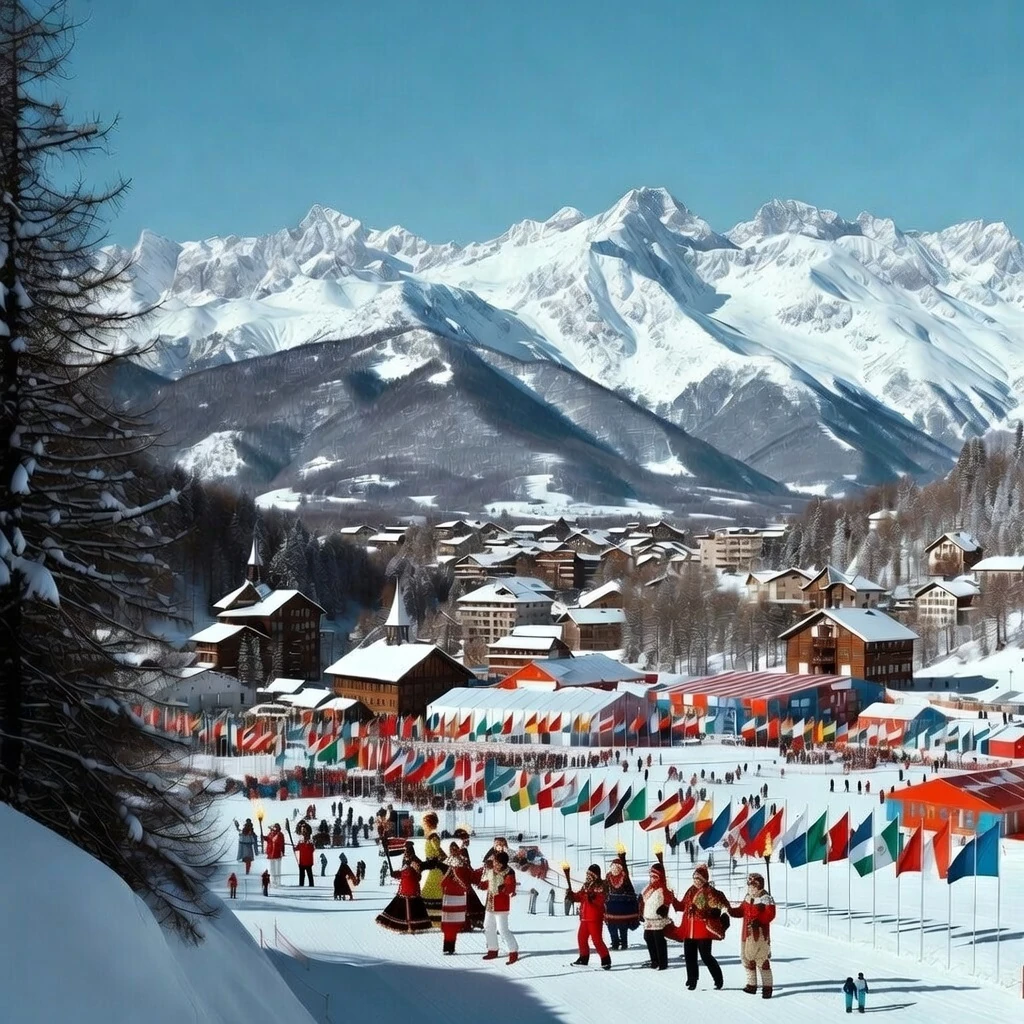
2026 Olympics Boos Ignite Push for City-State Athlete Representation by Grok is licensed under Grok xAI
2026 Olympics Boos Ignite Push for City-State Athlete Representation
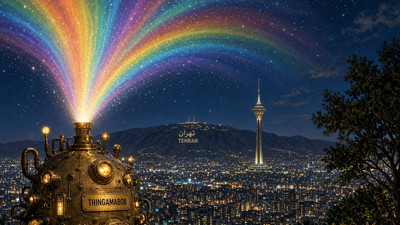
War Department Thingamabob Rainbows Tehran Sky, Unsettling Guards and Globalists
A Heap Of Homo Hooligan Hell Hole Rainbow Lights Shock The Sand People. Was It US? Or Enoch? Or Some Other Alien?

Bessent Pins Hugging Face Incident on OpenAI Managers, Not Agents
Bots Aren't Gay...

Austin Protesters Learn Texas Differs From Minnesota After ICE Clash
Don't Mess With Texas!

Fonzie Jumped the Shark; Fifty Years of Failure Endure
Fake And (Almost Certainly) Gay - Jewish Greaser, Mind Control And The Pop-Culture Term That Lives On...
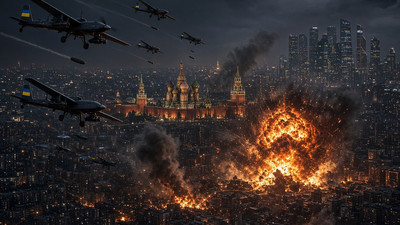
Ukraine’s Swarm Hits Moscow Refinery as Russia Warns Retaliation
World War Three, Anyone?
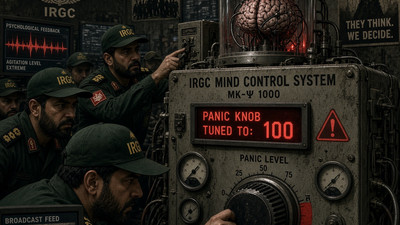
Iran Issues Code 100 as Trump and Netanyahu Rush Home
Turn Up The Volume!
Trump Forms AI Force and Czar; Will Not Stifle Industry
May The Force Be With You! Superior Intelligence Is The New AI!
No First Amendment Right To A Seat In West Wing
Mockingbird Press Pissed At Being Locked Out As They Are The "Deep-State-Run-Media" - The Propaganda Arm Of The Intelligence Community Driving Mind Control - Fucking Commies! God To Hell You Sickos!