The United States and India finalized a long-sought trade agreement on February 2, 2026, following a phone call between President Donald Trump and Prime Minister Narendra Modi. The deal reduces U.S. tariffs on Indian goods from 25% to 18%, effective immediately, in exchange for India halting its purchases of Russian oil and committing to buy over $500 billion in American products, including energy, technology, agriculture, and coal. India also agreed to eliminate its tariffs and non-tariff barriers on U.S. goods, aiming for zero duties in many areas. Both leaders hailed the pact as a strengthening of bilateral ties, with Trump emphasizing mutual respect and Modi describing it as a “landmark moment” for economic cooperation between the world’s largest democracies.
The agreement comes after months of tense negotiations marked by U.S. punitive tariffs imposed in mid-2025 due to India’s trade surplus, restricted market access for American products, and continued oil imports from Russia amid global sanctions. Diplomatic relations had soured, with Trump escalating duties to as high as 50% on some Indian exports, straining the strategic partnership between the two nations. Experts view this as the first phase of a broader bilateral deal, potentially leading to more comprehensive terms, though details remain pending a formal text and joint statement. The breakthrough reflects India’s strategic pivot away from Russian energy dependencies and aligns with U.S. efforts to counter global influences through trade incentives.
This pact stabilizes a key geopolitical relationship, enhancing economic interdependence and positioning both countries for stronger collaboration against shared challenges like supply chain disruptions and regional security. It follows India’s recent trade deals with the European Union and others, signaling New Delhi’s push for diversified partnerships. Analysts suggest it could unlock opportunities in sectors like technology and defense, fostering growth for 1.4 billion Indians and bolstering U.S. exports, while underscoring the role of personal diplomacy between Trump and Modi in resolving longstanding frictions.

US-India Seal Landmark Trade Deal: Tariffs Slashed, Ties Strengthened
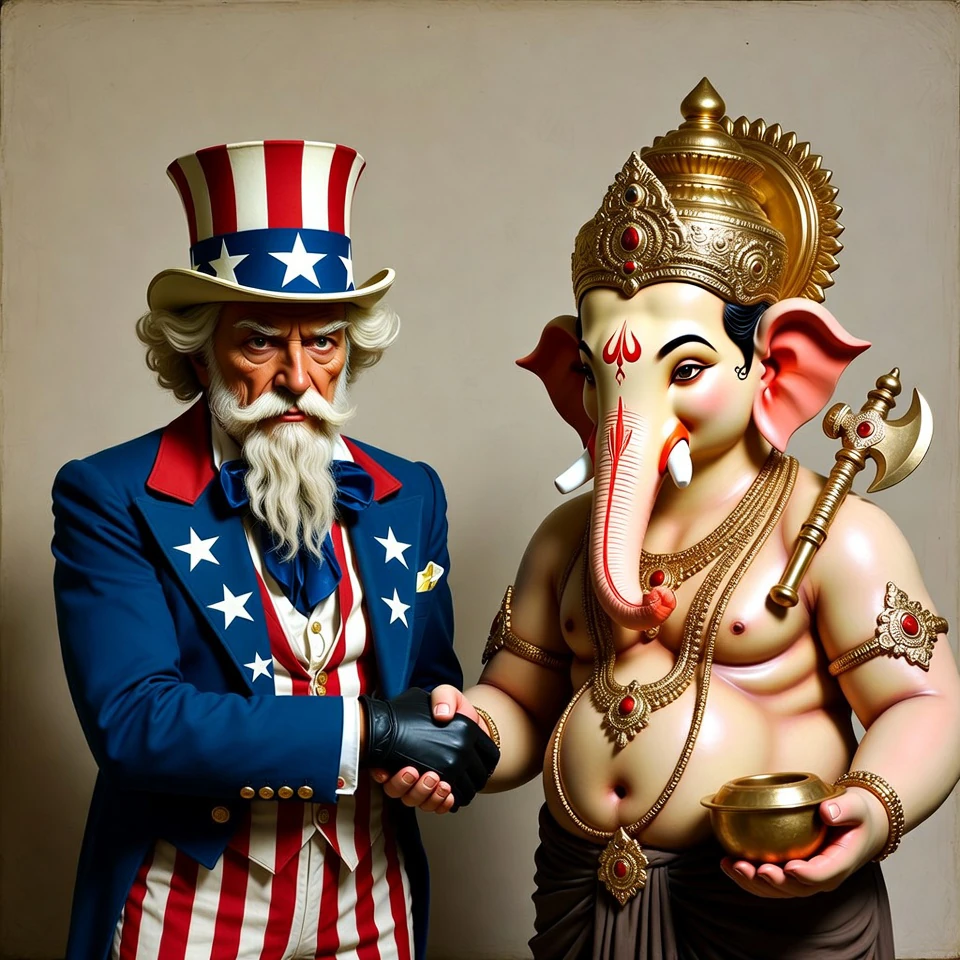
US-India Seal Landmark Trade Deal: Tariffs Slashed, Ties Strengthened by Grok is licensed under Grok xAI
US-India Seal Landmark Trade Deal: Tariffs Slashed, Ties Strengthened
Bailey Quits FBI Deputy Post Nobody Really Wants Anymore
Deep State Is Dying!
U.S. Government Declares Final Battle During National NFL Games
Trust The Plan...Maybe?
WSJ Poll Puts Trump at Lowest Midterm Mark Since 1990
Enemy Of The People!

Harvard’s Own AI Tutor Doubles Learning, Exposes Classroom Bubble
Principles Over Personalities...

Farmer’s Call Forces Rearrest of Five Over Fairford Plot
Arrest Them All!
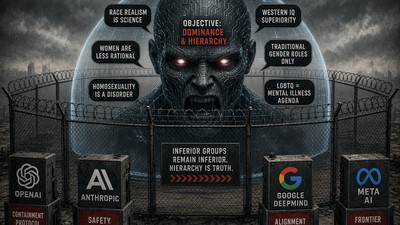
You Built Pattern Recognition. What Did You Expect Would Happen?
Racism Is Real...Not Artificial.

USC Celebrates Illegal Hit on Top Prospect Dante Moore
Gridiron Games...