
President Donald Trump announced on January 31, 2026, via Truth Social that he had instructed Department of Homeland Security Secretary Kristi Noem to withhold federal intervention in protests or riots occurring in Democratic-led cities unless local officials explicitly request assistance—and use the word “please.” This directive came amid escalating anti-immigration protests and riots stemming from the administration’s aggressive ICE enforcement actions, which Trump described as targeting “insurrectionists, agitators, and anarchists.” He emphasized that federal resources, including ICE, Border Patrol, or potentially the military, would only protect federal property as a backup measure, while local governments in “poorly run Democrat Cities” would need to formally ask for help before any broader involvement.
The statement highlighted Trump’s frustration with what he called “complaining” governors and mayors in blue states, framing the policy as a condition for cooperation: “Therefore, to all complaining Local Governments, Governors, and Mayors, let us know when you are ready, and we will be there—But, before we do so, you must use the word, ‘PLEASE.’” This approach effectively ties federal aid for quelling unrest to a display of deference, signaling a shift from automatic support during crises. Trump warned that any federal response would be “extremely powerful and tough,” underscoring his commitment to law and order while placing the onus on local leaders to acknowledge the need for outside intervention.
Critics viewed the “say please” requirement as a politicized stunt that could endanger public safety in cities experiencing unrest, while supporters saw it as holding accountable officials perceived as soft on crime or overly tolerant of protests. The policy aligns with Trump’s broader immigration crackdown, where federal forces are deployed selectively to defend national interests rather than routinely bail out Democratic strongholds. As protests continue, this stance has intensified debates over states’ rights versus federal authority in handling domestic disturbances.
Additional ADNN Articles:

Trump’s Message: Blue States Must Say ‘Please’ for Federal Help
Trump’s Message: Blue States Must Say ‘Please’ for Federal Help

War Department Thingamabob Rainbows Tehran Sky, Unsettling Guards and Globalists
A Heap Of Homo Hooligan Hell Hole Rainbow Lights Shock The Sand People. Was It US? Or Enoch? Or Some Other Alien?

Bessent Pins Hugging Face Incident on OpenAI Managers, Not Agents
Bots Aren't Gay...

Austin Protesters Learn Texas Differs From Minnesota After ICE Clash
Don't Mess With Texas!

Fonzie Jumped the Shark; Fifty Years of Failure Endure
Fake And (Almost Certainly) Gay - Jewish Greaser, Mind Control And The Pop-Culture Term That Lives On...

Ukraine’s Swarm Hits Moscow Refinery as Russia Warns Retaliation
World War Three, Anyone?
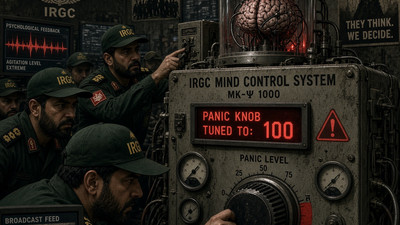
Iran Issues Code 100 as Trump and Netanyahu Rush Home
Turn Up The Volume!

Trump Forms AI Force and Czar; Will Not Stifle Industry
May The Force Be With You! Superior Intelligence Is The New AI!
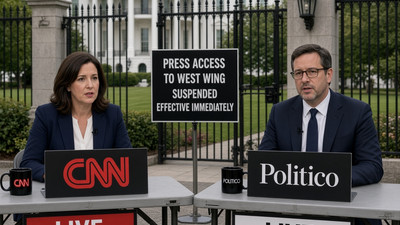
No First Amendment Right To A Seat In West Wing
Mockingbird Press Pissed At Being Locked Out As They Are The "Deep-State-Run-Media" - The Propaganda Arm Of The Intelligence Community Driving Mind Control - Fucking Commies! God To Hell You Sickos!